Students
Different Contexts, Common Aspirations: Three Young Leaders Who Are Shaping the Future of Cleft Care
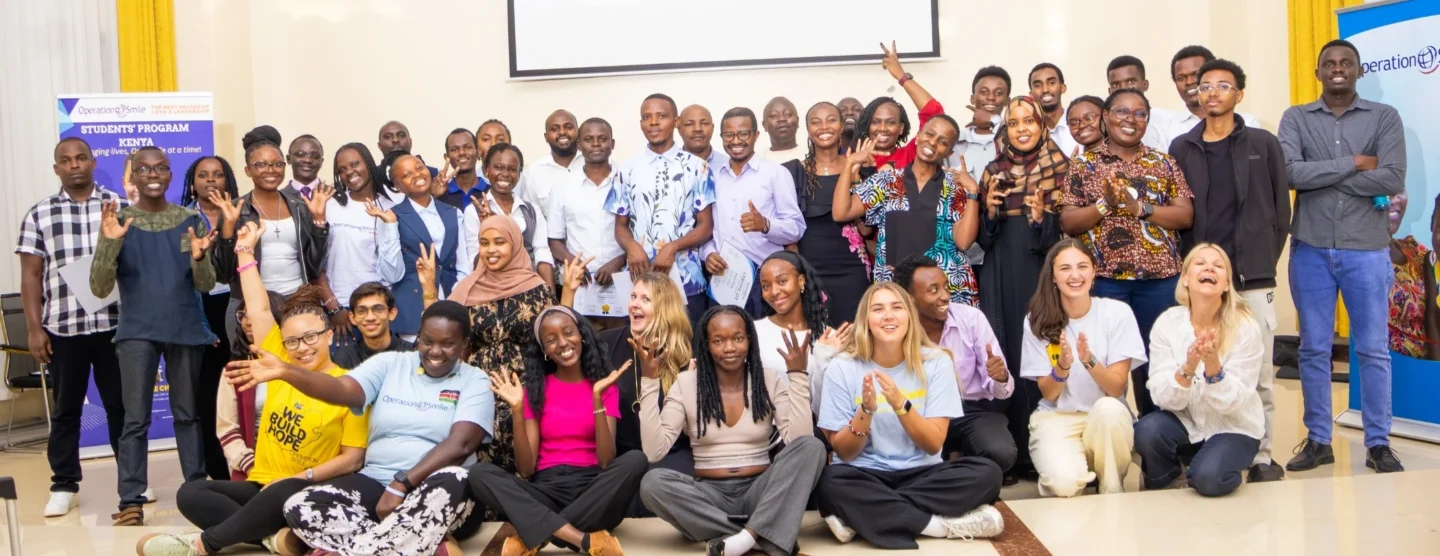
Young people around the world are proving that while their experiences may differ, their aspirations are often the same: to create healthier communities, break down barriers and ensure that everyone has the opportunity to thrive.
Through Operation Smile Student Programs, students are turning those aspirations into action. Whether they are drawing from their own lived experiences, inspired by a family member’s journey or learning alongside peers across cultures, these young leaders are helping expand access to comprehensive cleft care through education, advocacy and service.
Student volunteers play an important role in Operation Smile’s mission. They raise awareness about cleft conditions, lead community outreach initiatives, organize fundraisers and service projects, and connect families with the care they need while developing the leadership skills to create lasting change in their own communities.
Meet three student leaders whose different paths have led them to a shared purpose: helping ensure every child has the opportunity to receive life-changing care.
A Former Patient Turned Her Own Surgery into a Mission to Support Other Patients
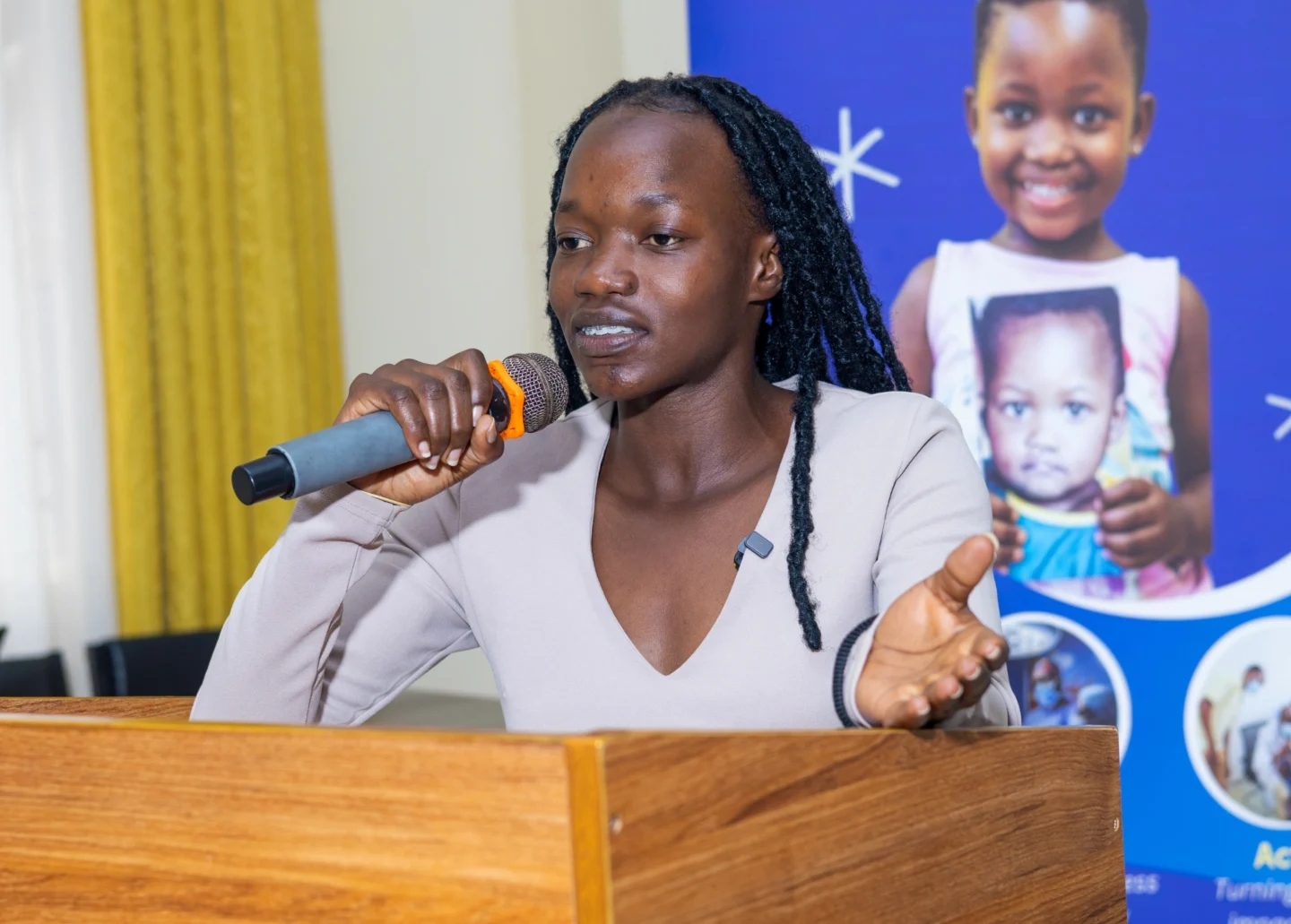
For Faith Ochieng, a nursing student from Kenya and an Operation Smile patient when she was 11 years old, being part of Operation Smile Student Programs is deeply personal.
Growing up with a cleft condition, Ochieng experienced the life-changing impact of comprehensive cleft care. But it was during a speech therapy session, when she witnessed another child being rejected and ridiculed because of a cleft condition, that she discovered her purpose.
“I wanted to be more than just a patient,” she says. “I wanted to become a success story and walk alongside other children through their journey.”
Today, Ochieng uses her own experience to encourage families, challenge misconceptions and remind children born with cleft conditions that their future is full of possibility. Through our student program, she has found a community where she can support others while continuing to grow in the future healthcare professional and leader.
“It is not a limitation to success,” she says. “Its repair is the beginning of a powerful story of resilience and strength.”
A Medical Student Built Community-Level Change Through Health Education and Cleft Awareness
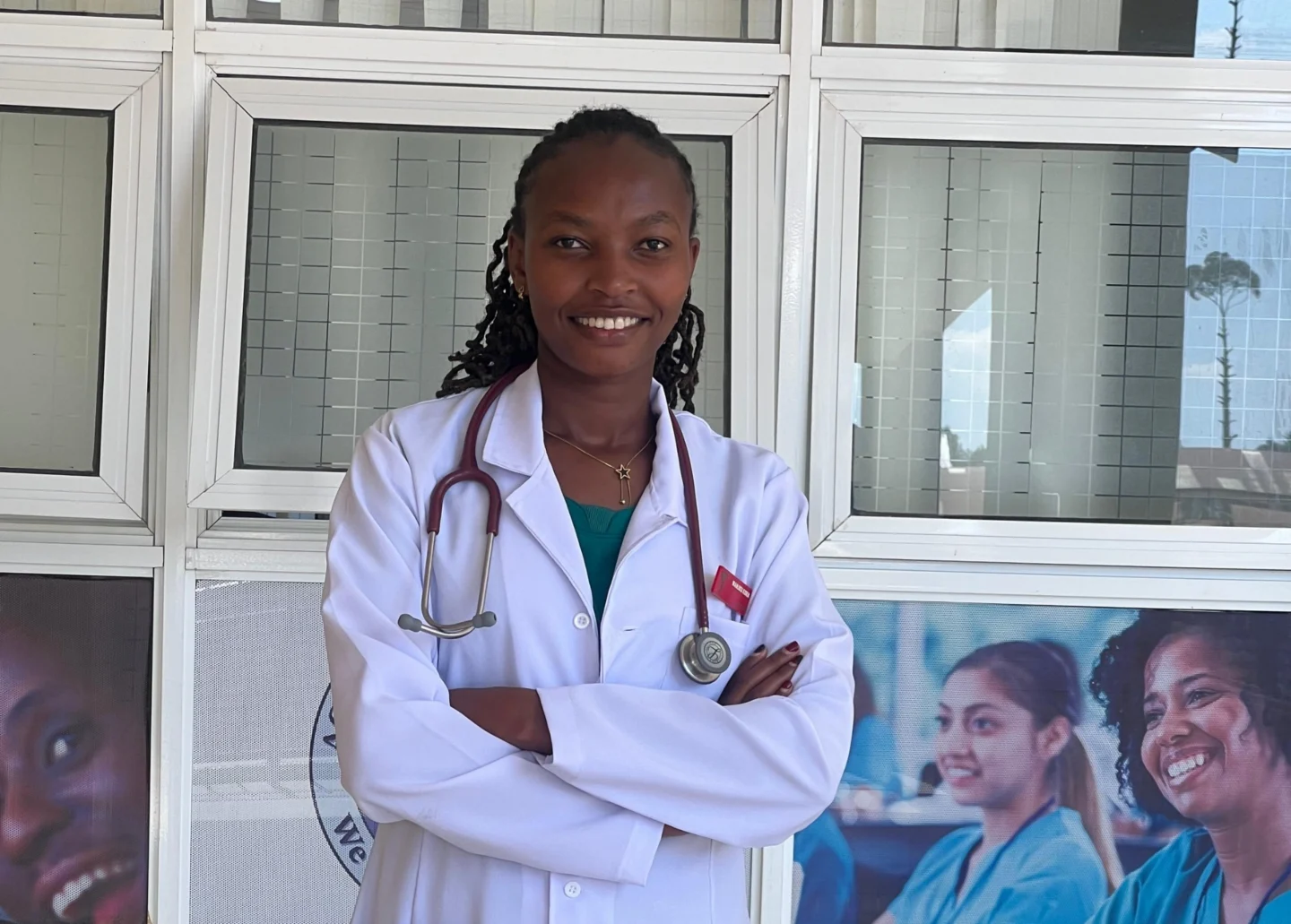
For Mercy Wanjiku Kuria, a final-year medical student and founding national president of the Operation Smile Student Programs Kenya, creating change means connecting communities to life-changing care.
Inspired by her younger brother’s journey through surgery, Kuria pursued medicine with a passion for health equity. Through Operation Smile Student Programs, she has helped lead community outreach initiatives, awareness campaigns, leadership forums and Kenya’s first Run for Cleft, bringing students together to reduce stigma and connect families with life-changing care.
“Students are uniquely positioned between knowledge and communities,” Kuria explains. “We can translate medical information into something accessible, relatable and actionable.”
Her experience has reinforced an important lesson that surgery alone is not enough. “Without awareness,” she says, “even the best medical services remain out of reach.”
That same spirit of collaboration extends across borders.
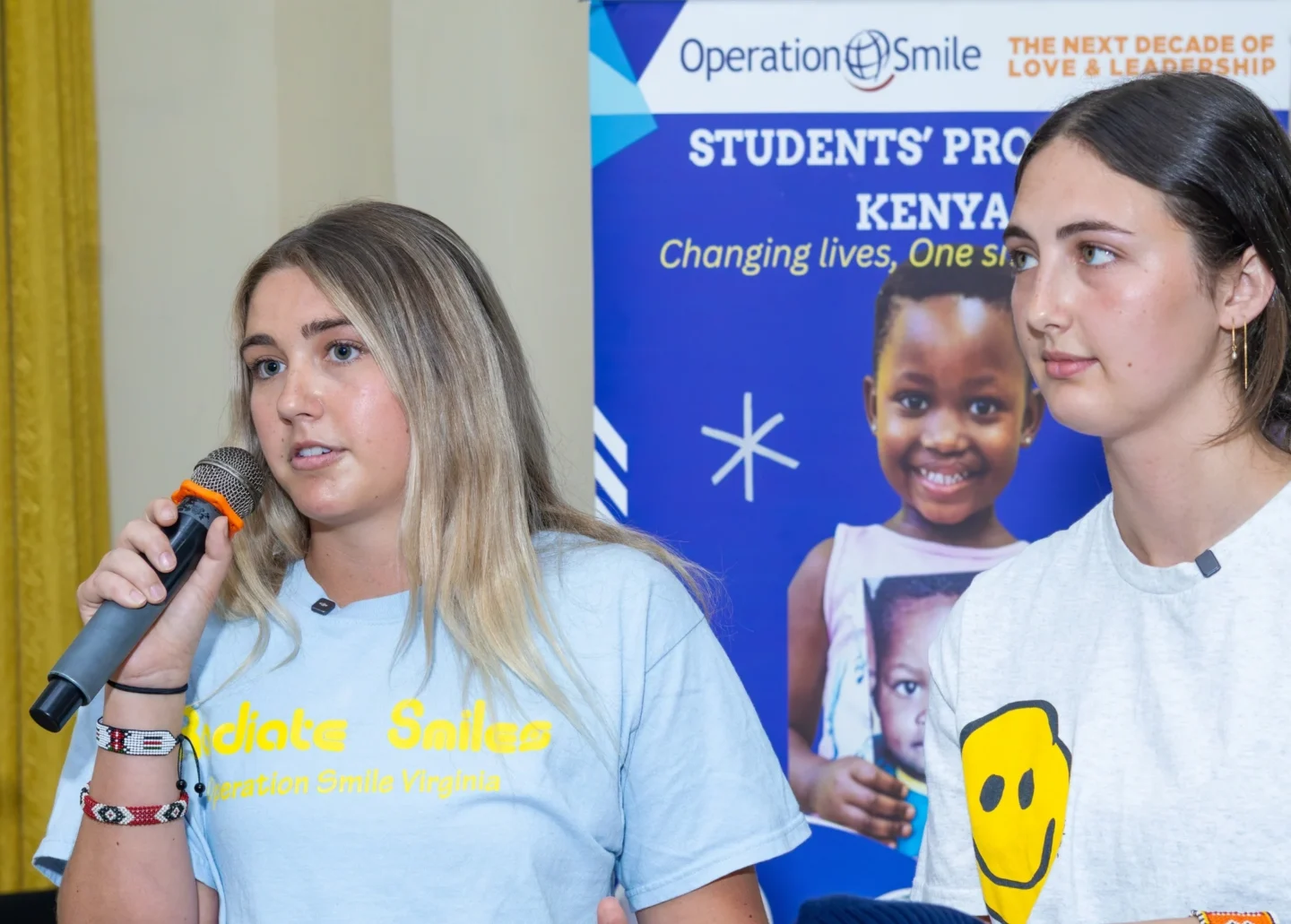
A Volunteer Discovered That Global Health Work Means Learning Alongside Communities, Not Just Serving Them
When Natalie Jones, an Operation Smile student volunteer from the United States, traveled to Kenya, she expected to support community outreach and a surgical program. Instead, she discovered the power of learning alongside Kenyan students, healthcare professionals and families.
Together, they participated in Kenya’s first Run for Cleft, community outreach and exchanged ideas about strengthening student-led programs. Through those experiences, Jones saw firsthand her students from different backgrounds could work towards the same goal while adopting their approaches to meet the needs of their own communities.
“We learned that not everything that works for us works somewhere else,” Jones says. “Each student program must find what works best for its own community.”
Her visit to Kenya’s Maasai community put it further into perspective and left a lasting impression. “The greatest impact we can have on other cultures is by teaching and learning from one another,” she reflects.
The experience also reshaped her understanding of global healthcare. “I used to think global care was about providing surgery,” she says. “Now I see it is about continuity of care, training healthcare professionals and ensuring patients receive support throughout their lives.”
Three Journeys, One Vision for the Future of Cleft Care
Although Ochieng, Kuria and Jones come from different backgrounds, they share a common vision of a future where no child is limited by a cleft condition and every family has access to compassionate, comprehensive care.
Through Operation Smile Student Programs, students are already making that future possible. They are raising awareness, challenging stigma, supporting communities and strengthening health systems while learning from one another across cultures and continents.
Whether inspired by their own experiences, their families or the communities they serve, Ochieng, Kuria and Jones demonstrate how young people are helping shape the future of care. Through their leadership, service and compassion, our volunteers are helping to expand access to comprehensive care, strengthen their communities and inspire others to make a difference.
Support Student Leaders
Your gift can help support Student Programs and youth empowerment initiatives, supporting the next generation of leaders.
More Students Stories
-
We Build Hope
Thought Leadership
Nine Inspiring Moments That Made Us Smile in 2025
-
-
-
-
Thought Leadership
Nine Inspiring Moments That Made Us Smile in 2024
-
Students
Speak Up, Work Hard, Never Give Up
-
Students
Meet George from Rwanda
-
-
-

Students
“I’m the Key”
-
Students
Finding Her Purpose
-