Care Providers
The Power of Speech Therapy: Meet a Local Leader Transforming Cleft Care in Peru
Milagros Rojas, a licensed speech therapist and psychologist, helps children with cleft conditions find their voices while expanding access to care closer to home.
In Peru, a country defined by rich Inca heritage and striking geographic diversity, beauty and resilience exist side by side. From world-renowned cuisine and vibrant coastal beaches to the vast Andes and Amazon regions, the country is known for its cultural richness and natural landscapes. Since 1999, Operation Smile has worked hand in hand with local communities and health systems to expand access to cleft care. Yet, some families travel long distances to reach surgical care.
Along the full path of comprehensive care, gaps remain. A shortage of trained speech therapists means children born with cleft conditions may struggle to receive consistent follow-up support, even though speech therapy is essential for long-term care, communication development and quality of life. Milagros Rojas, a speech therapist, psychologist, professor at the Universidad Peruana Cayetano Heredia and part-time coordinator of speech therapy with Operation Smile, has spent more than 25 years as a volunteer with Operation Smile Peru working to close that gap. A native of Peru’s coast, known for its vibrant beaches, rich cuisine and resilient communities, she supports children born with cleft conditions while helping train local speech therapists to expand access to care across the country.
She works closely with patients and families to strengthen communication skills and build confidence, helping children and adults find their voices in everyday life. We recently spoke with her about her work.
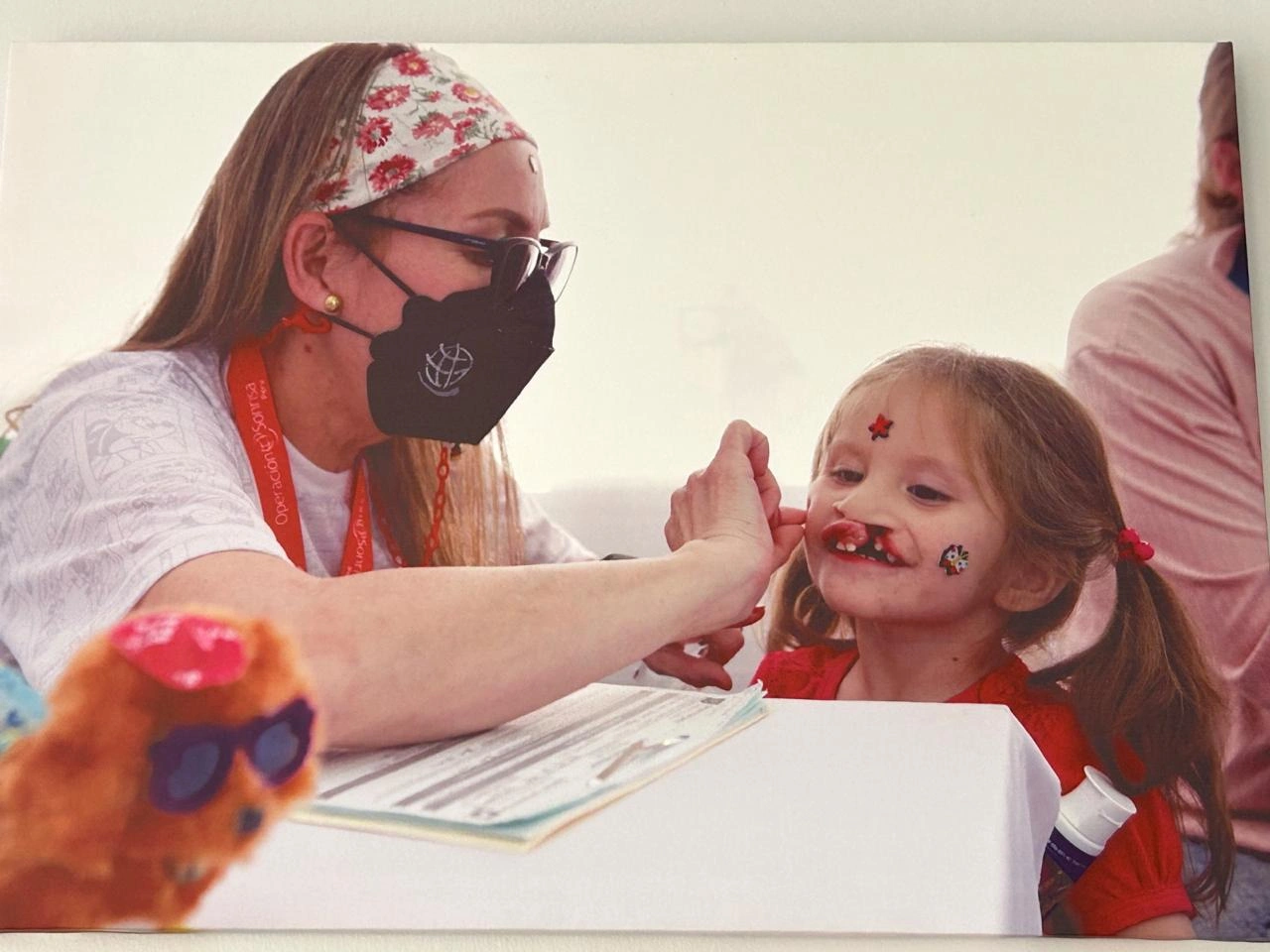
How did you first get involved with Operation Smile and what inspired you to pursue speech therapy?
Milagros Rojas: I am a psychologist and specialist in communication disorders, known as speech therapist, and I have been with Operation Smile for almost 25 years. During this time, I have supported many children and their families.
I began volunteering alongside my teacher, mentor and friend Roxana Flores, who created the speech therapy program in Peru.
My inspiration was born during my first surgical program I attended and is strengthened every time I hear Dr. Magee, Kathy Magee and Rubén Ayala speak with such love about their work with patients with cleft lip and palate. When you take part in a surgical program, you confirm every word and renew your gratitude for the human opportunities that arise.
What led you specifically to care for patients with cleft lip and palate?
MR: Listening to expectant mothers, parents, children and adults who believe they have no communication opportunities and who are even labeled with terms like “stutterers” reinforces our commitment. From my specialty, we know the story can be written differently, especially if we begin intervention early. I am also passionate about working with expectant mothers because I can equip them to prioritize breastfeeding, by teaching techniques and helping reduce their anxiety. Early care is key, as it motivates parents to become actively involved in the therapeutic process.
How do you support patients and families throughout their care journey?
MR: Speech therapy is fundamental because we support families from the earliest stages, stimulating speech and language development in babies, reducing compensatory errors and improving speech, voice and resonance in children and adults. This work directly impacts communication, builds self-esteem, social integration and academic performance.
What is your daily work like as a speech therapist?
MR: I see patients both virtually and in person during the week. Depending on their needs, the type of care is defined. In each case, guidance, evaluation and intervention in speech and language are prioritized.
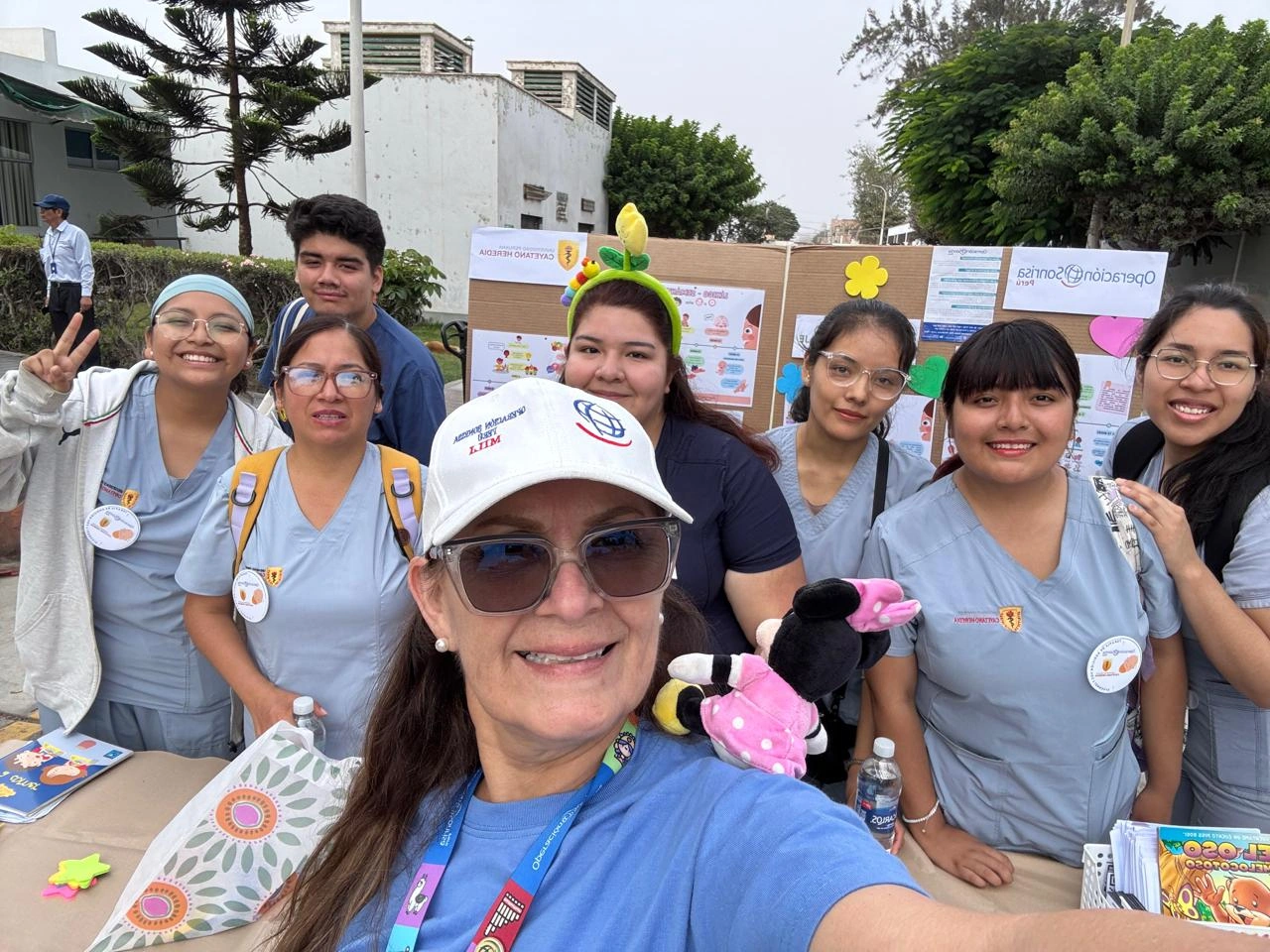
Through the center [in Lima, Peru], we have achieved greater sustainability in care, thanks also to the support of volunteers in the field and partnerships, including with the Universidad Peruana Cayetano Heredia in speech therapy. Ongoing support allows the family to be an active part of the intervention process.
What are some of the most common speech challenges children with cleft conditions face?
MR: The main challenges include articulation difficulties, hypernasality and low speech intelligibility. Therapy helps correct compensatory patterns, improve sound production and strengthen communication skills, always tailored to each patient.
Speech therapy can be very creative and playful. What are some of the techniques or tools you use to help children build confidence and communication skills?
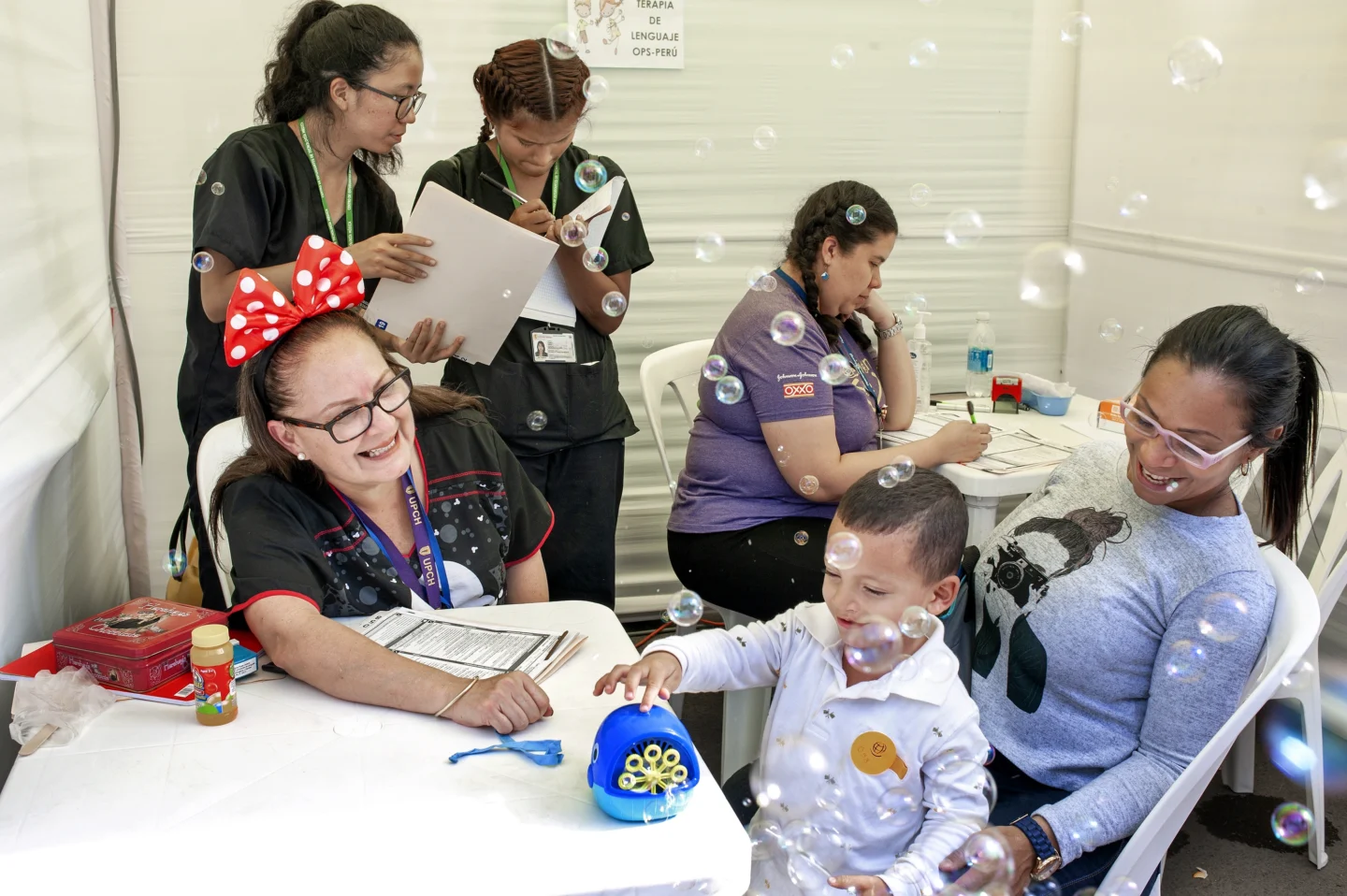
MR: I use play as the main tool: toys, bubbles, songs to stimulate rhythm and articulation, stories to encourage language, and interactive games that capture the child’s attention.
The goal is for the child to practice sounds in a safe, fun and motivating environment.
Can you share more about how bubbles are used as part of cleft care?
MR: Well, bubbles are a playful tool that helps children to be able to feel that the air must come out of the mouth and not through the nose. Children with cleft conditions have more difficulty with this; they nasalize all sounds. The only sounds that should come out of the nose would be the m, the n and the ñ, but, for them all sounds, as they have an open palate come out of the nose. By blowing bubbles they can feel that air must come out of the mouth. That is the idea, and we try with all the people who help us to play with bubbles. It also becomes a beautiful activity, entertaining and where everyone is happy blowing but also learning that air comes out of the mouth.
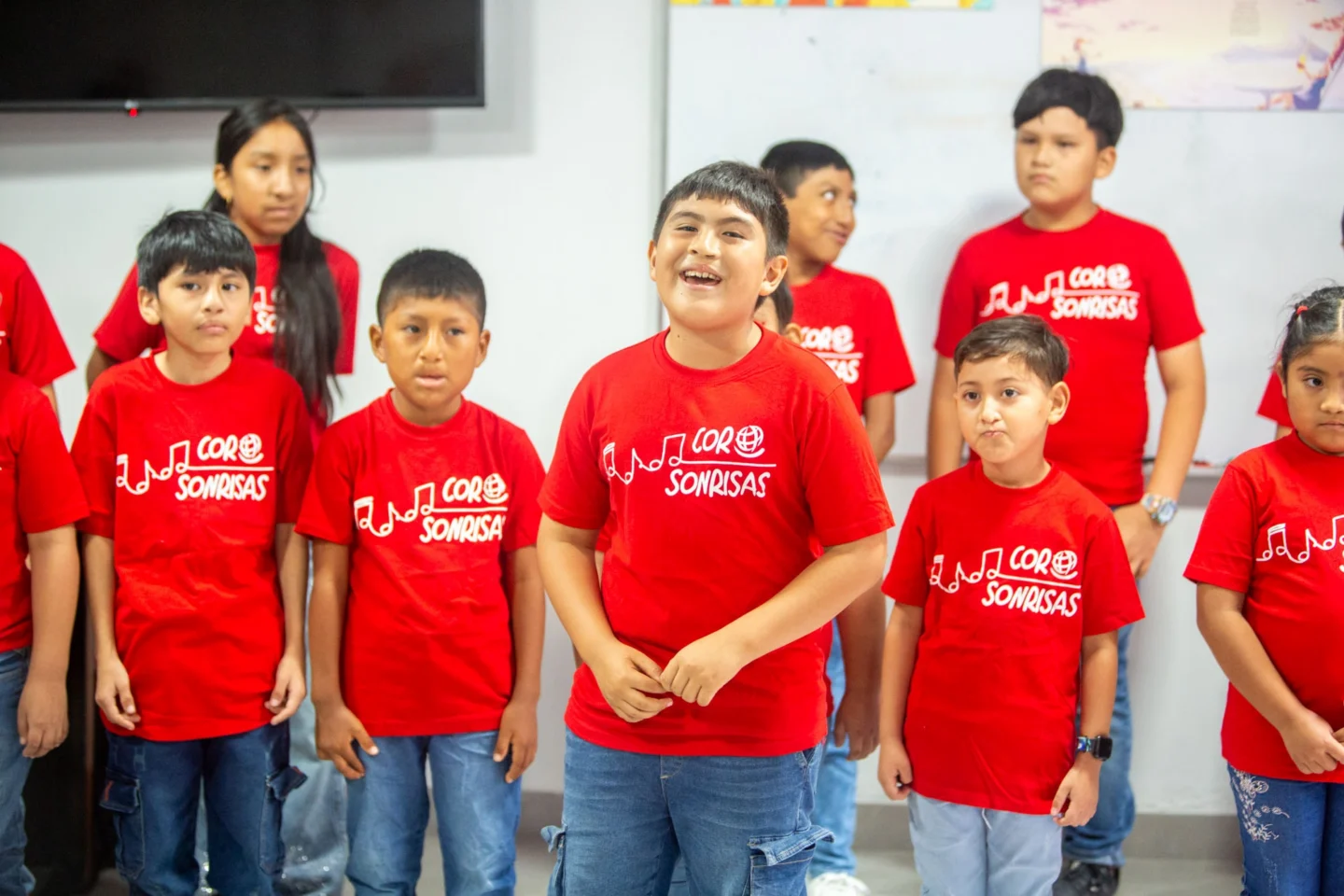
Can you tell us about the Smile Choir and how it supports speech development and patient confidence?
MR: The Smile Choir is a tool that enhances phonetic, phonological, voice and resonance skills. It also strengthens children’s self-esteem, as they feel valued and recognized. It also builds supportive bonds among families.
Why is training more speech therapists and bringing speech care closer to home through local specialists so important for patients and families?
MR: It is essential because many families still do not have timely access to specialized services. Training local speech therapists enables continuous, accessible and sustainable care, while also raising awareness within educational environments.
Many people associate cleft care only with surgery. What do you wish more people understood about the lifelong role of speech therapy?
MR: That surgery is only one part of the treatment. Speech therapy is essential for developing communication skills. Without it, difficulties may persist that affect communication, learning and self-esteem.
What does it mean to you when a child says a sound or word clearly for the first time?
MR: It is a profound emotion. Seeing them from infancy and accompanying them through each surgical procedure until hearing their progress, without hypernasality, is deeply rewarding. I always say to the mothers, “Mom, you did it,” because family commitment is key.
What gives you hope for the future of cleft care?
MR: The growth of interdisciplinary teams, the commitment of organizations like Operation Smile and the empowerment of families give me hope. It is essential for society to understand that cleft conditions have a solution and that there are dedicated teams ready to support this process.
Bring Care Closer to Home
Your gift can help train more speech therapists, like Milagros Rojas, and comprehensive care providers in our patients’ communities.