Care Providers
“Bring a Chair to the Table”: Fetiya Awol, M.D., on Leading Change and Expanding Care in Ethiopia
As a national leader in maternal health, Fetiya Awol, M.D., knows firsthand that equipping the next generation of women in medicine is the key to growing access to care and strengthening health systems.
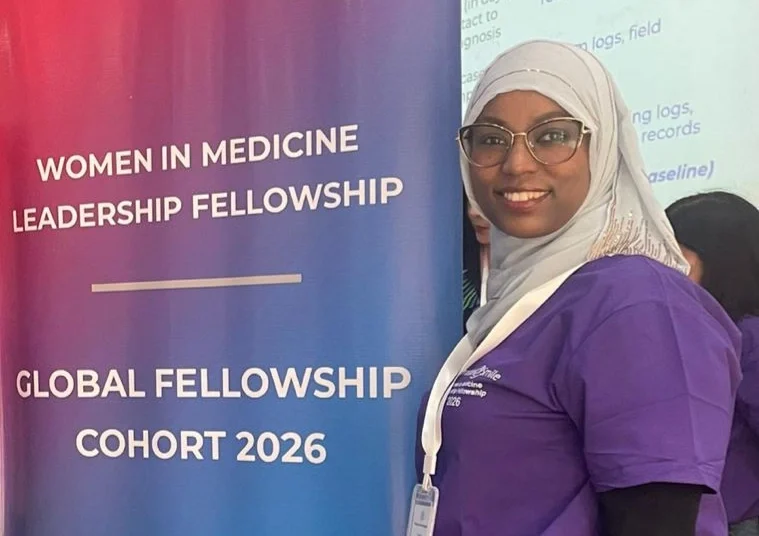
Fetiya Awol Abbagidi, M.D., has built her career around a simple but powerful idea: Health care is strongest when it is led from within communities and when women are equipped to lead.
Born and raised in Jimma, a growing city in Ethiopia’s Oromia region, Awol’s journey into medicine began with curiosity. As a student, she was drawn to science but unsure of her path. Her parents instilled in her the belief that she could achieve anything. Over time, that curiosity became a calling. During an exchange program in Germany as part of her medical training, she saw women serving as surgical and clinical leaders, an experience that expanded her understanding of what was possible and helped shape her decision to pursue obstetrics and gynecology. She pursued medicine with a clear purpose: to serve women and families in her community.
In many parts of Ethiopia, access to specialized and surgical care remains limited, particularly outside major cities. While women make up a large share of the health care workforce globally, they remain underrepresented in leadership roles across global health and medicine. For Awol, this gap is why training, mentorship and leadership development for women are central to strengthening local care systems and expanding access for patients.
Today, Awol is an assistant professor of obstetrics and gynecology and a senior maternal and newborn health advisor at Engender Health Ethiopia. She also previously served as chief clinical director at Jimma University Medical Center. With more than a decade of experience across clinical care, teaching and health system leadership, she supports frontline health workers and helps scale solutions that reach women and children across the country.
She first learned about Operation Smile while in medical school in Jimma, but her connection started through Operation Smile’s partnership with Jimma University Medical Center. Through this work, Awol saw firsthand how investing in training, mentorship and local leadership can reduce reliance on external programs and bring care closer to home.
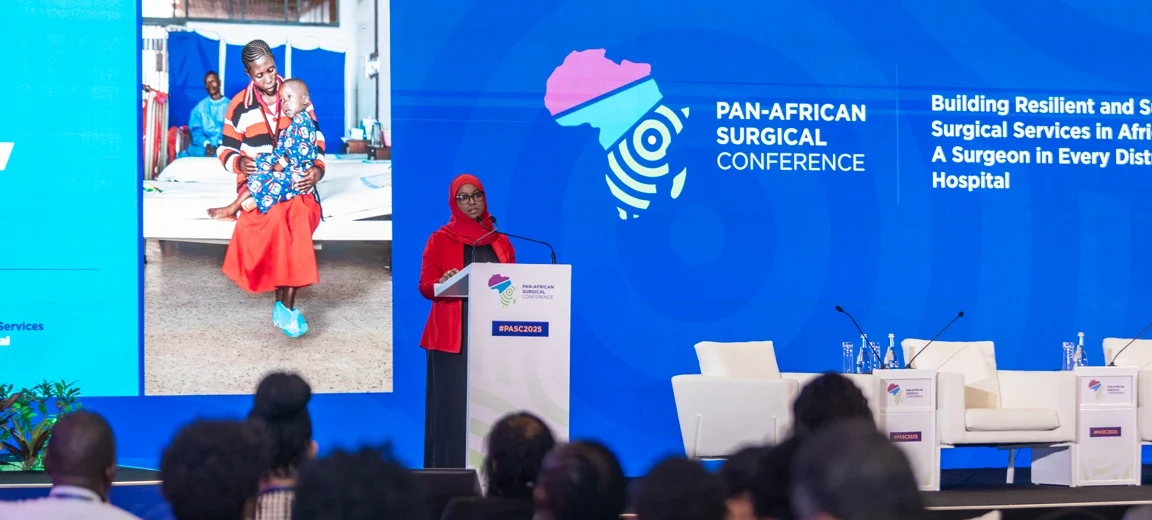
Now, she serves as a global ambassador for Operation Smile’s Women in Medicine initiative, launched in 2020 to equip women health care providers in low- and middle-income countries. The initiative focuses on four key areas: clinical training, leadership development, advocacy and women-led research. At the heart of this effort is the Women in Medicine Global Leadership Fellowship, a nine-month program for emerging women leaders in health care. Through mentorship, peer learning and structured leadership training, the fellowship helps participants build confidence, expand their networks and lead change in their communities.
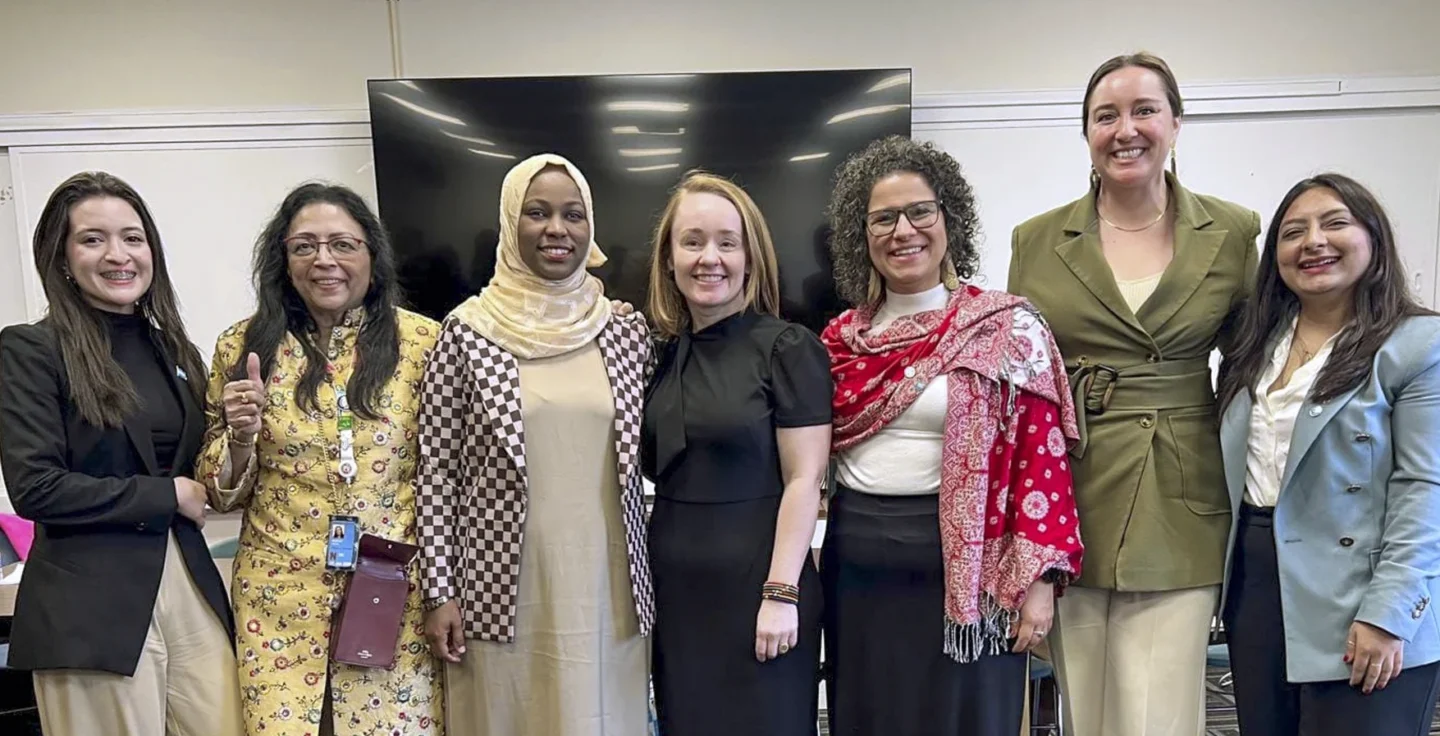
For Awol, this work is both professional and personal. As a mother of three daughters and a mentee shaped by strong women leaders, she believes in the power of representation and in creating pathways for others to follow.
How have women mentors shaped your journey, and what lessons continue to guide you?
Fetiya Awol: My journey has been deeply shaped by the women in my life, beginning with my mother. She taught me to be confident, bold [and] brave and to believe that my voice mattered.
Throughout my career, I was fortunate to learn from many women mentors who supported me during challenging moments by listening, sharing their experiences and reminding me of my strengths. Those relationships taught me that mentorship is about presence. It is about creating safe spaces where people feel heard, valued and encouraged to grow. Today, I try to offer the same support to others, knowing that mentorship is a two-way process. Every time I mentor someone, I also learn from their resilience and perspectives.
What unique strengths do women bring to global health and community-based care?
FA: Women are the backbone of our communities. Beyond their professional roles, women are caregivers, educators and role models whose influence extends into families and future generations. When women are supported, the positive impact is reflected in stronger health systems and healthier communities.
In health care, women make up nearly 75% of the global workforce but hold only about 25% of leadership positions. Evidence continues to show that diversity in leadership strengthens care delivery. Women often bring strengths such as empathy, collaboration, multitasking and long-term thinking. These qualities are essential in complex fields like global health and surgery. Ensuring women have a seat at the leadership table is not only about fairness; it is about effectiveness.
What excites you most about being part of Operation Smile’s Women in Medicine Fellowship?
FA: The WIM Fellowship is an investment with generational impact. Many participants come from countries where women remain underrepresented in leadership. The program offers structured leadership training, something many of us never had early in our careers. It creates a supportive space to reflect, learn and grow together. One of the most powerful outcomes has been the shift in mindset. Many fellows [are] hesitant about leadership roles [in the beginning]. By the end, they speak with confidence and purpose. Today, the fellowship spans multiple regions globally, signaling to women everywhere that leadership is possible and that they are not alone.
Can you share a story that illustrates the importance of building local capacity?
FA: While serving as chief clinical director at Jimma University Medical Center, my vision was sustainability. With Operation Smile’s support, we worked to strengthen the skills of our surgeons and multidisciplinary teams. Within less than a year, we established the first comprehensive cleft care center of its kind at the institution. Local surgeons began providing year-round care, reducing dependence on external programs and bringing services closer to home. This approach restored dignity, built community trust and demonstrated what is possible when local institutions are equipped to lead. For me, helping women “bring a chair to the table” means creating systems where leadership, care and opportunity are shared, and where communities are strengthened for generations to come.
Make Your Gift
Your gift to Operation Smile helps make training and education possible, enabling health care leaders, like Awol, to connect with the next generation of providers.