Thought Leadership
Together for Health: Advancing Safe Surgical Care through Policy and Advocacy
This World Health Day, we celebrate the role of policy and advocacy in shaping healthier futures for our patients and their communities around the world.
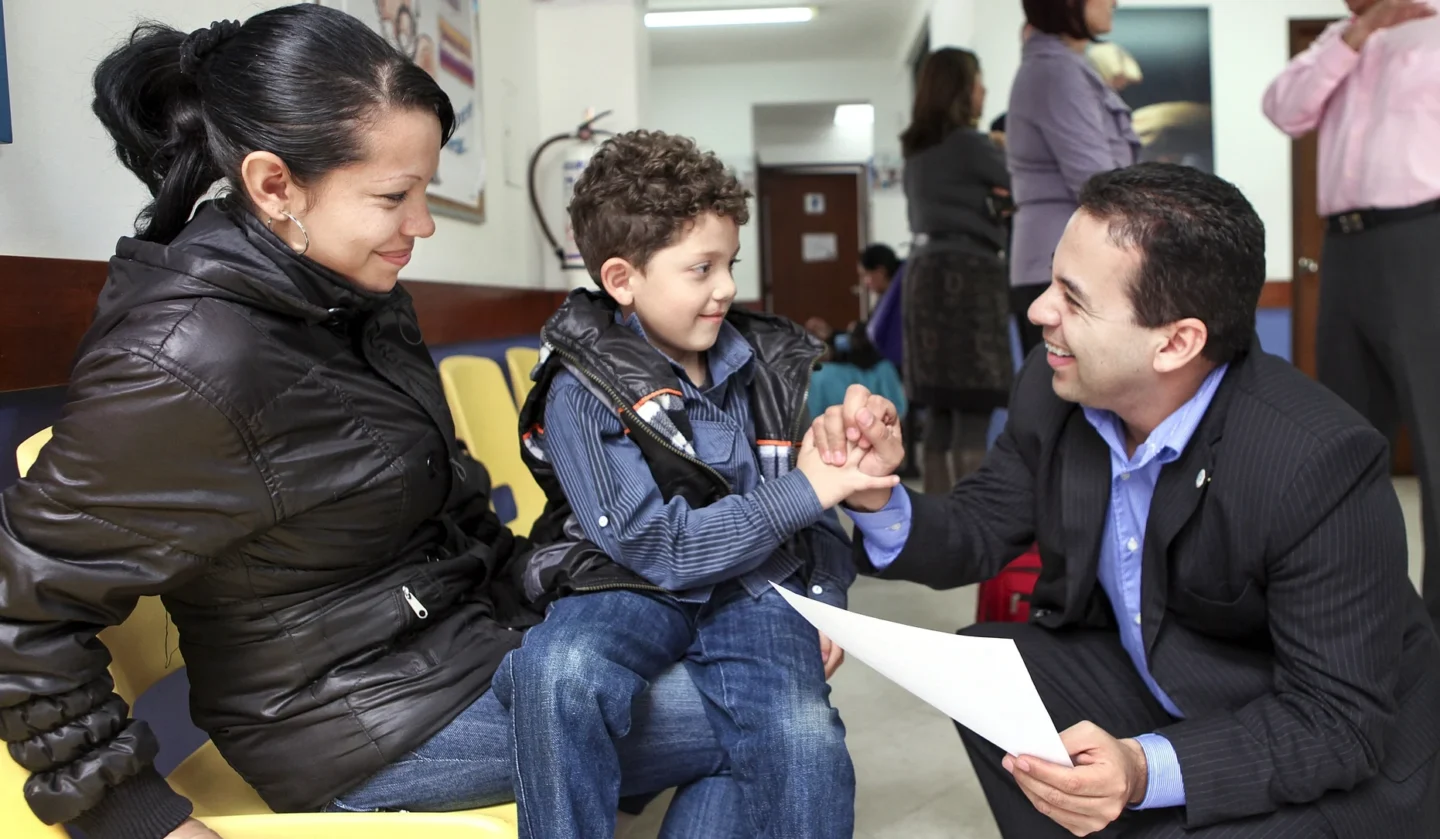
While 5 billion people lack access to safe, affordable surgery, the solution is not surgery alone. Ensuring patients can access the safe surgery they need requires research to understand barriers, policy to turn data into action and collaboration to build sustainable systems.
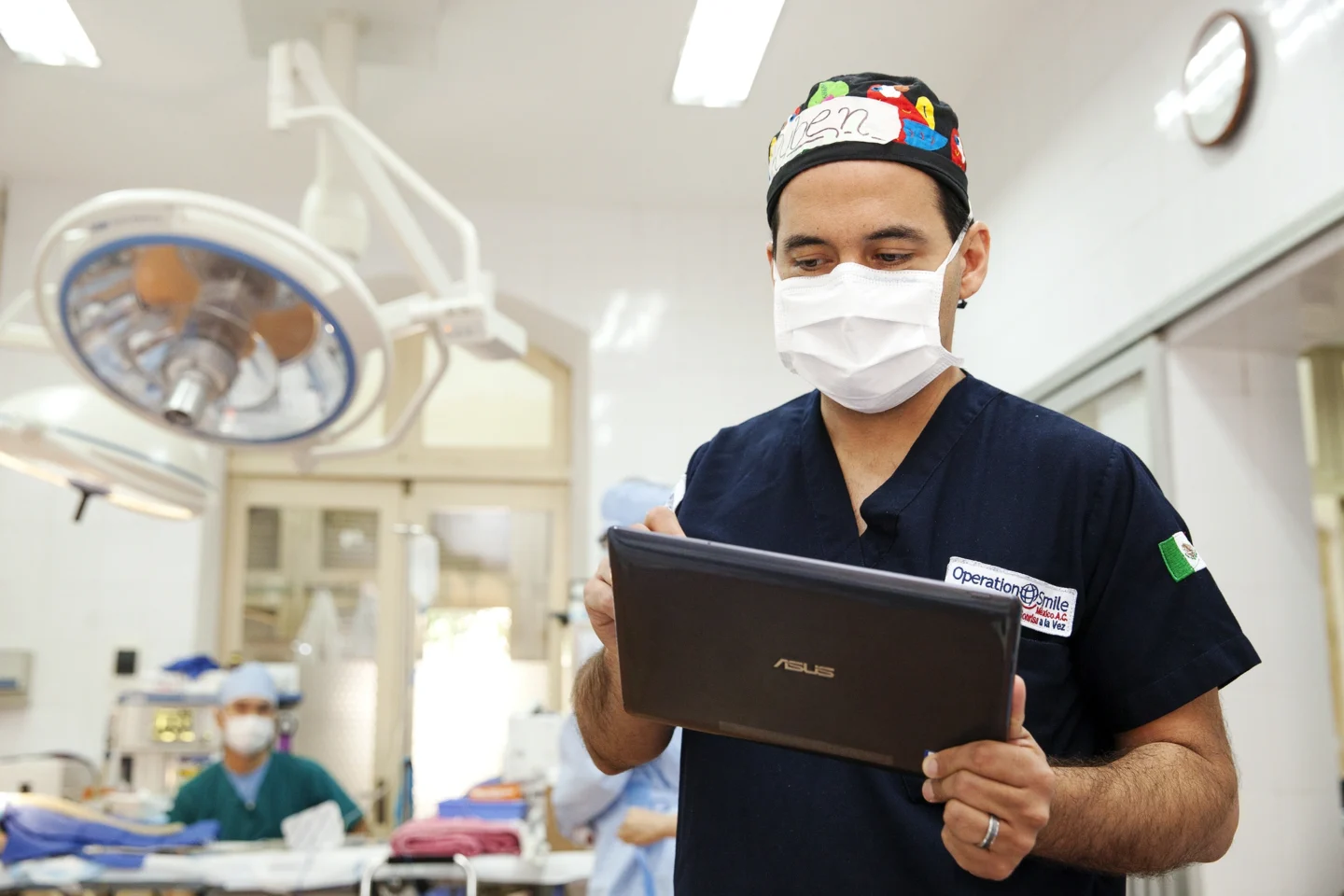
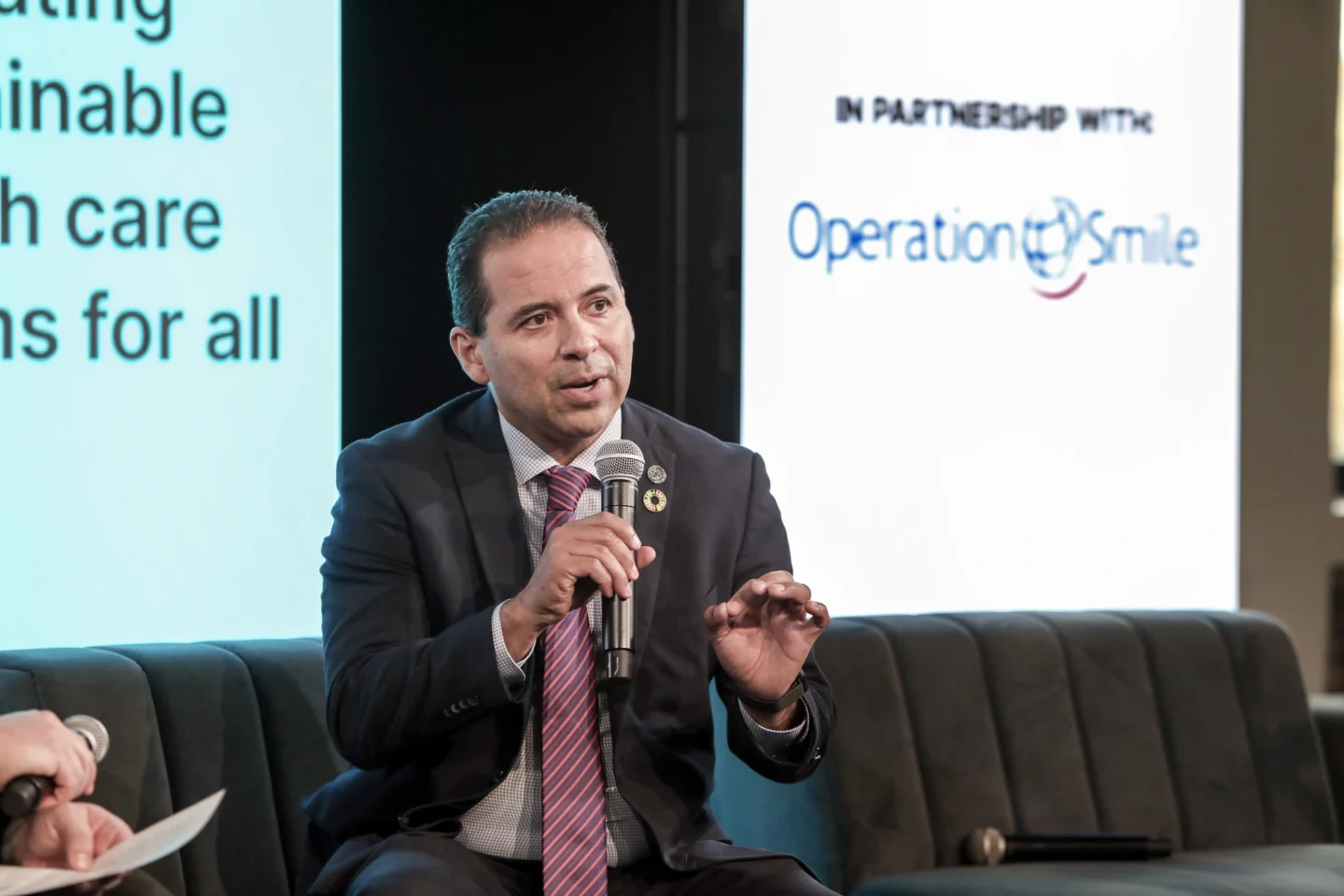
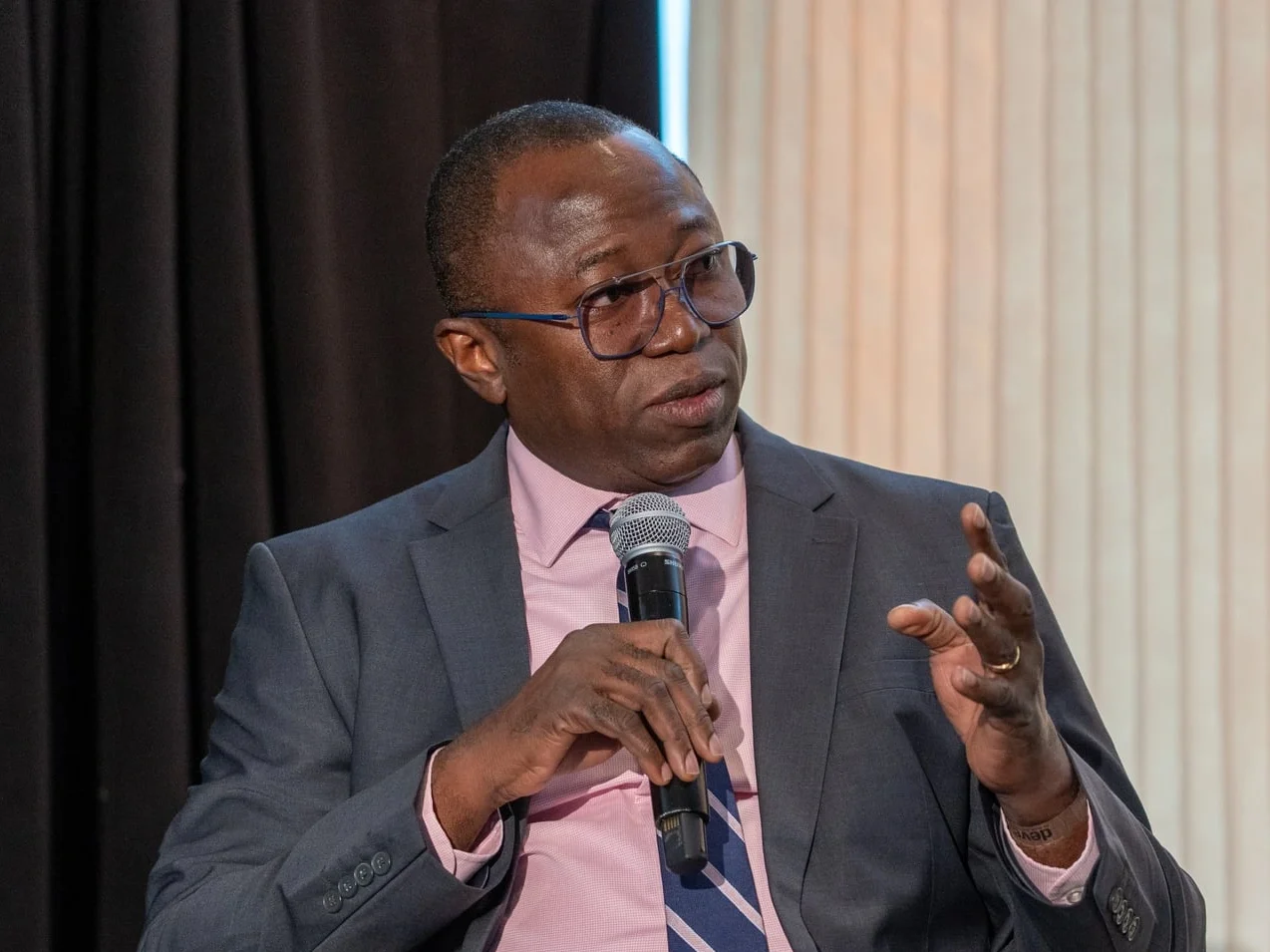
Ruben Ayala, M.D., M.Sc., our chief of policy and advocacy, has been part of Operation Smile since he was 16. From volunteering as a translator in his hometown in Panama to leading global initiatives and partnerships with ministries of health, universities, NGOs and multilateral organizations (like the United Nations), Ayala has witnessed firsthand how research, partnerships and policy can extend care to entire communities. In this Q&A, he shares how advocacy turns knowledge into action to expand access to care for children, their families and their communities.
Q: Can you tell us about your background and how you became involved with Operation Smile?
Ruben Ayala: I’m a public health physician who became involved with Operation Smile during my teenage years as a translator in my hometown of David, Panama. There was a coalition of civic clubs supporting Operation Smile in Panama, and I reached out to volunteer. The first time I became involved was the first time I ever saw children with cleft conditions. It marked me personally, and over the years, I’ve seen so many volunteers become more involved in delivering solutions. That first experience was life-changing for me and is one of the reasons I ultimately decided to go into medicine and continue to engage with Operation Smile ever since.
Q: What is your current role at Operation Smile, and what inspires you to do this work?
RA: In my current role as chief of policy and advocacy, I work as part of a team constantly advocating for the rights of all children to have access to surgical care, along with their families and communities. Our work focuses on ensuring services we offer are integrated into health systems that can sustain them and deliver lasting impact at scale.
What inspires me is deeply personal. It goes back to the very first day I saw a child with a cleft condition and the volunteers working tirelessly to provide the best possible care. I’ve seen the transformation that commitment can bring to the lives of children, their families and entire communities. That experience shaped my belief that no child should ever be left behind, and I continue to be motivated by the dedication of the many real heroes who have carried this work forward over the years.
Q: In what ways are policy and advocacy important in ensuring children get the care they need?
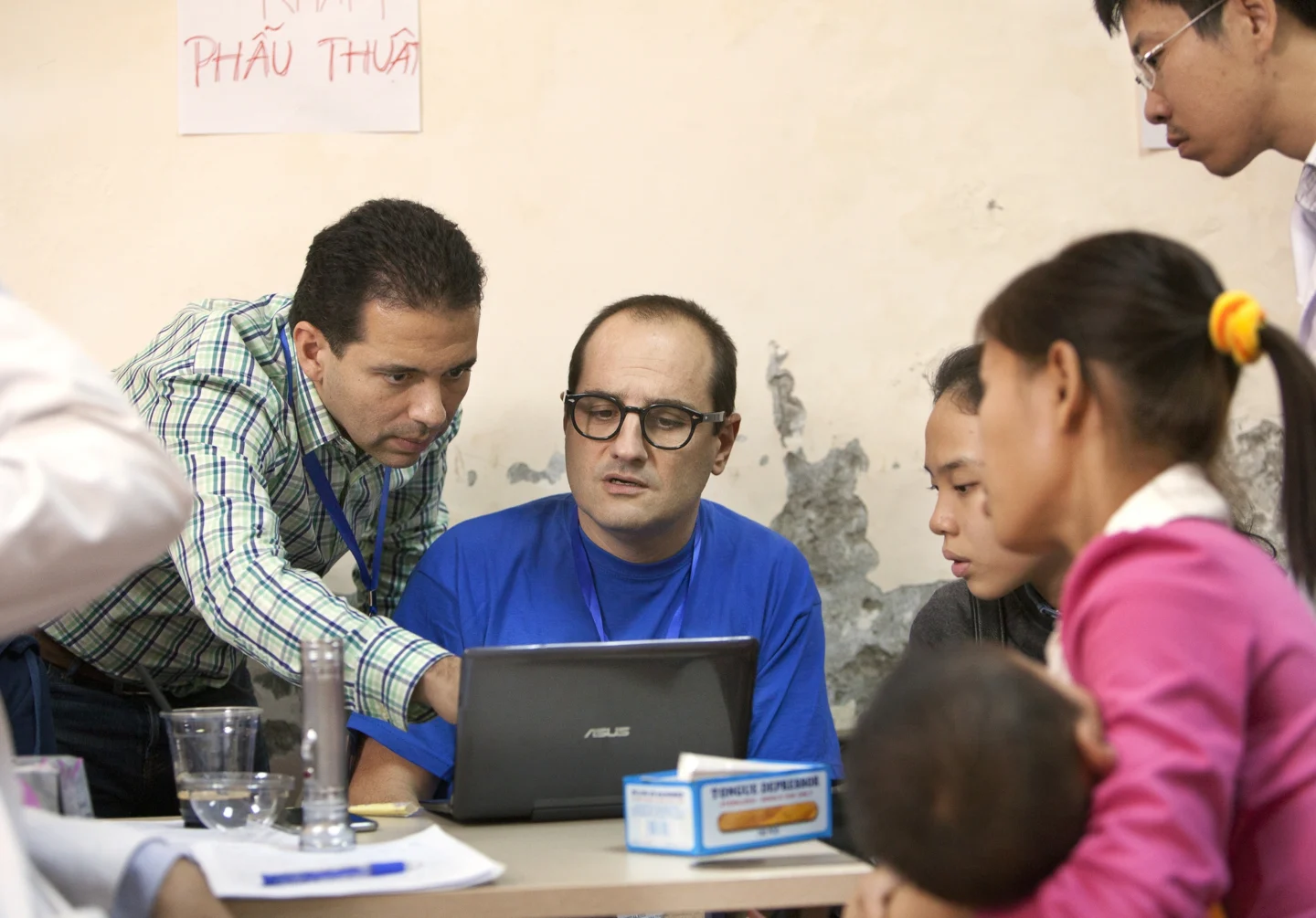
RA: If we know we can deliver safe care consistently, we can share that knowledge and support its integration into national health policies. This includes rules, standards and safeguards that make care safer and more effective for all.
We play an important role in ensuring that our successful NGO model translates into government-owned, scalable and sustainable systems. Policy allows for the experience, innovation and heroism of volunteers to extend beyond Operation Smile and shape how care is delivered. It helps avoid duplication, prevent fragmentation and align efforts behind shared public goals. Policy is the language that translates what we know works into what lasts.
Q: How does research inform the policies and programs we advocate for to create lasting impact?
RA: Research plays a critical role in shaping our care, guiding our investments and informing the policies we advocate for. It grounds decisions in the lived realities of children and families rather than assumptions and ensures our actions are guided by evidence. Its value lies in translating information into actionable insights that drive system-level change.
Our research spans a wide range, from genetic studies like the International Family Study to social and health systems research that examines community engagement and the barriers patients face when accessing care. Research helps us answer questions about who receives care, when and how they receive it, what costs are involved, and whether interventions are truly reaching those in most need. Knowledge is power, and over the years we continue to learn, through research and experience, how to deliver care more equitably, effectively and sustainably.
Q: How does Operation Smile work with governments, health systems and partners to strengthen policies and improve access to care?
RA: We have always advocated for children and families, from the very beginning. Engaging with governments has always been grounded in the understanding that governments both carry responsibility and share the desire to serve their people. Partnering with them allows us to extend opportunity and access to care for communities around the world.
Policy and advocacy are central to this effort. They help ensure that trained health workers are supported by resilient systems, that operating rooms and services are sustained over time and that proven interventions can expand to reach more children.
We engage at three levels: at the grassroots, where the voices of families and community members guide our work; at the national level, where we work with ministers of health and other leaders to shape national strategies; and at the global level, by collaborating with entities such as the World Health Organization and the United Nations. Through these partnerships, we bring together insights from communities, national leaders and global partners to make care more accessible.
Q: Can you share a success story where local teams, supported by global expertise, made a meaningful difference?
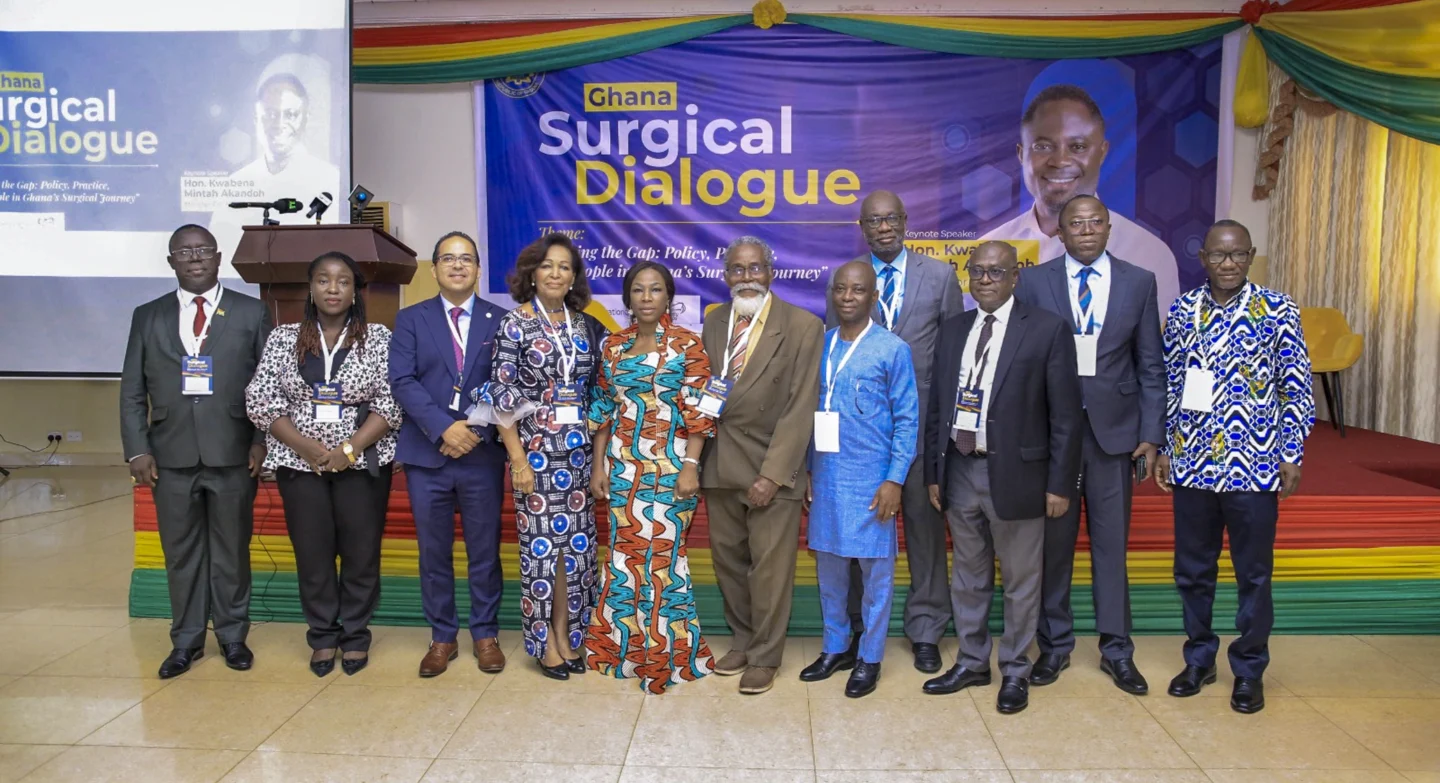
RA: Ghana is a great example. As the government of Ghana began developing its National Surgical, Obstetric and Anesthesia Plan, we partnered with the Ministry of Health and other stakeholders to support this effort. Together, we assessed surgical capacity across 62 hospitals across the country. This became the baseline and enabled policymakers to set clear five-year targets for workforce development, care delivery, infrastructure, information systems, financing and governance.
We followed up by supporting a national surgical dialogue that brought together the Ministry of Health, the National Health Insurance Scheme, the National Health Service, private sector members, civil society and patient representatives. Within just two months, the government of Ghana took concrete actions, procuring 80 anesthesia machines for district hospitals. They are currently evaluating the expansion of national health insurance coverage for surgical care. These steps could benefit more than 35 million people. Our experience treating children with cleft conditions helped build the trust and credibility that made this broader systems-level progress possible.
Q: Beyond surgeries, how does policy and advocacy help create sustainable health systems for our patients?
RA: Children with cleft conditions may need care over many years, which makes sustainability essential. Through our patients and their families, we have the privilege to learn directly from lived experience. That insight helps us advocate for policies that support access, affordability and quality care. Policy and advocacy allow those individual experiences to inform broader system change. By working through partnerships, coalitions and technical working groups, we bring together diverse expertise and resources to strengthen health systems sustainably at every level. This ensures care is not only available today, but accessible for future generations tomorrow.
Q: What lessons have we learned from our policy and advocacy efforts about expanding safe surgical care around the world?
There are no shortcuts to enhancing health systems. Ensuring every child can access care requires ongoing commitment and long-term investments. That is why grounding every decision in evidence is so important. Drawing on experience, research and continuous learning helps guide where and how resources are used and ensures investments are effective.
We’ve also learned that partnerships are essential. Meaningful progress can only be achieved when communities, civil society, government, the private sector and organizations work together. Within these collaborations, avoiding assumptions is critical. Listening openly and engaging respectfully with local stakeholders creates space for better, more effective solutions.
Throughout all of this, we consistently center patients’ voices. The lived experiences of children, families and local leaders must guide decision-making if systems are to serve people over time. When patient perspectives inform policy and practice, the changes we pursue are more relevant, effective, trusted and sustainable.
Q: How can donors, partners and supporters use evidence and research to advance equitable access to care?
Knowledge is power. Evidence and research give us an understanding of what works, where gaps remain and what is needed to ensure no child is left behind. When decisions are grounded in knowledge, they are more likely to lead to sustainable solutions.
Donors, partners and supporters can engage with evidence in many ways. They can contribute time, expertise or resources, whether supporting our work, helping raise awareness about community needs or amplifying the stories. By engaging with evidence, donors and partners can make meaningful contributions that advance equitable access and strengthen health systems for all.
Support Lasting Change
Your gift can help support our efforts in policy and advocacy, as we work with communities, governments and organizations to ensure everyone can access the safe surgery they need.
More Thought Leadership Stories
-
Thought Leadership
Why Research Matters: New Clues About Cleft Development
-
-
We Build Hope

-
Thought Leadership
Answering Why: Operation Smile’s Ongoing Study into Cleft Risk Factors
-
We Build Hope
Thought Leadership
Nine Inspiring Moments That Made Us Smile in 2025
-
We Build Hope

Thought Leadership
The Power of Storytelling to Build Hope and Expand Access
-
We Build Hope
-
Thought Leadership
Taking the Lead: Four Changemakers in Africa
-
Thought Leadership
Key Takeaways from UNGA 80 That Can Transform Access to Care
-
We Build Hope
-
-