Thought Leadership
Locally Led Research: Meet a Leader Advancing Cleft Care in Ethiopia
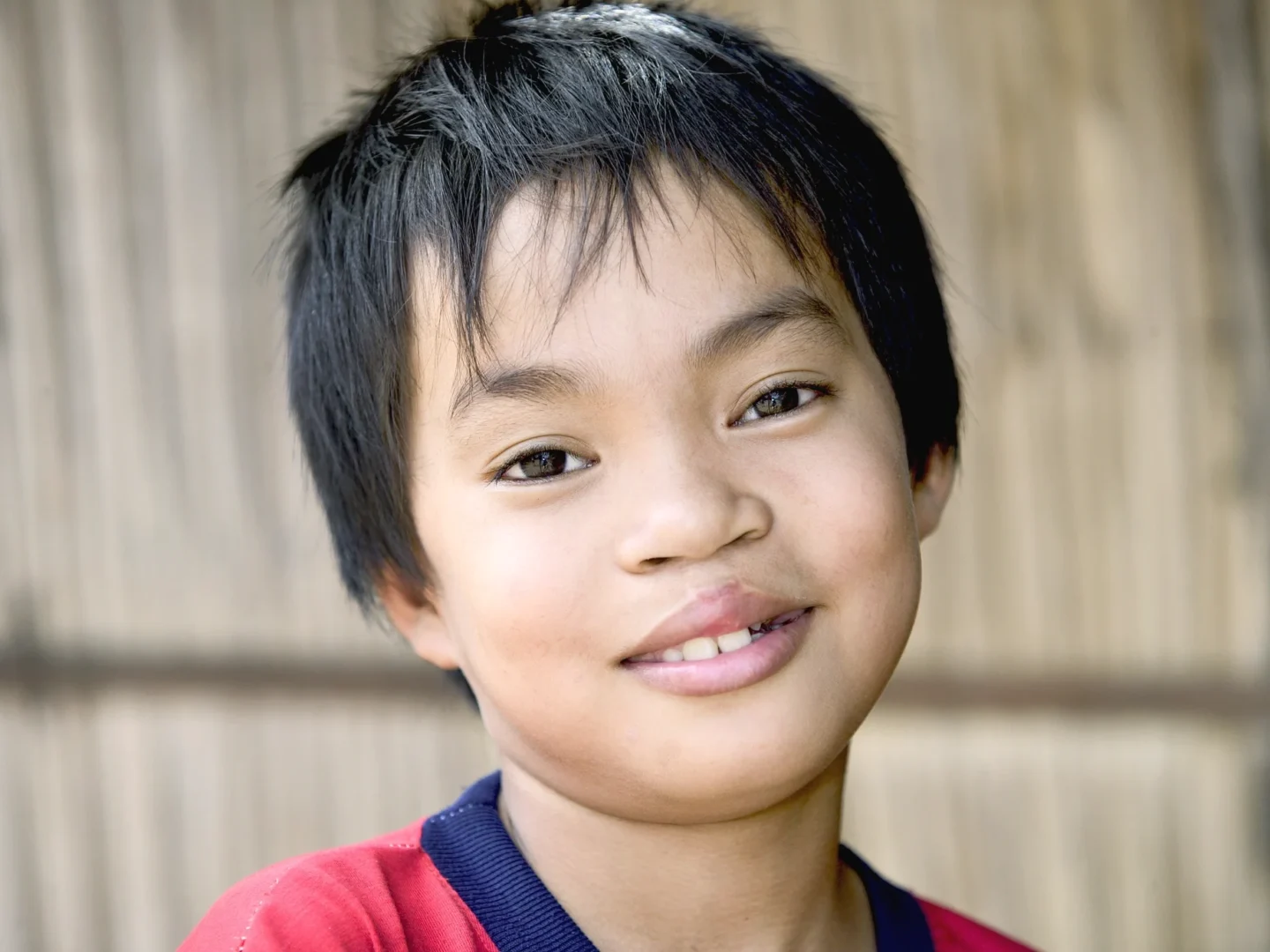
Through public health research and comprehensive cleft care, Abiy Semunigus Dejene is working to help more families in Ethiopia access care closer to home.
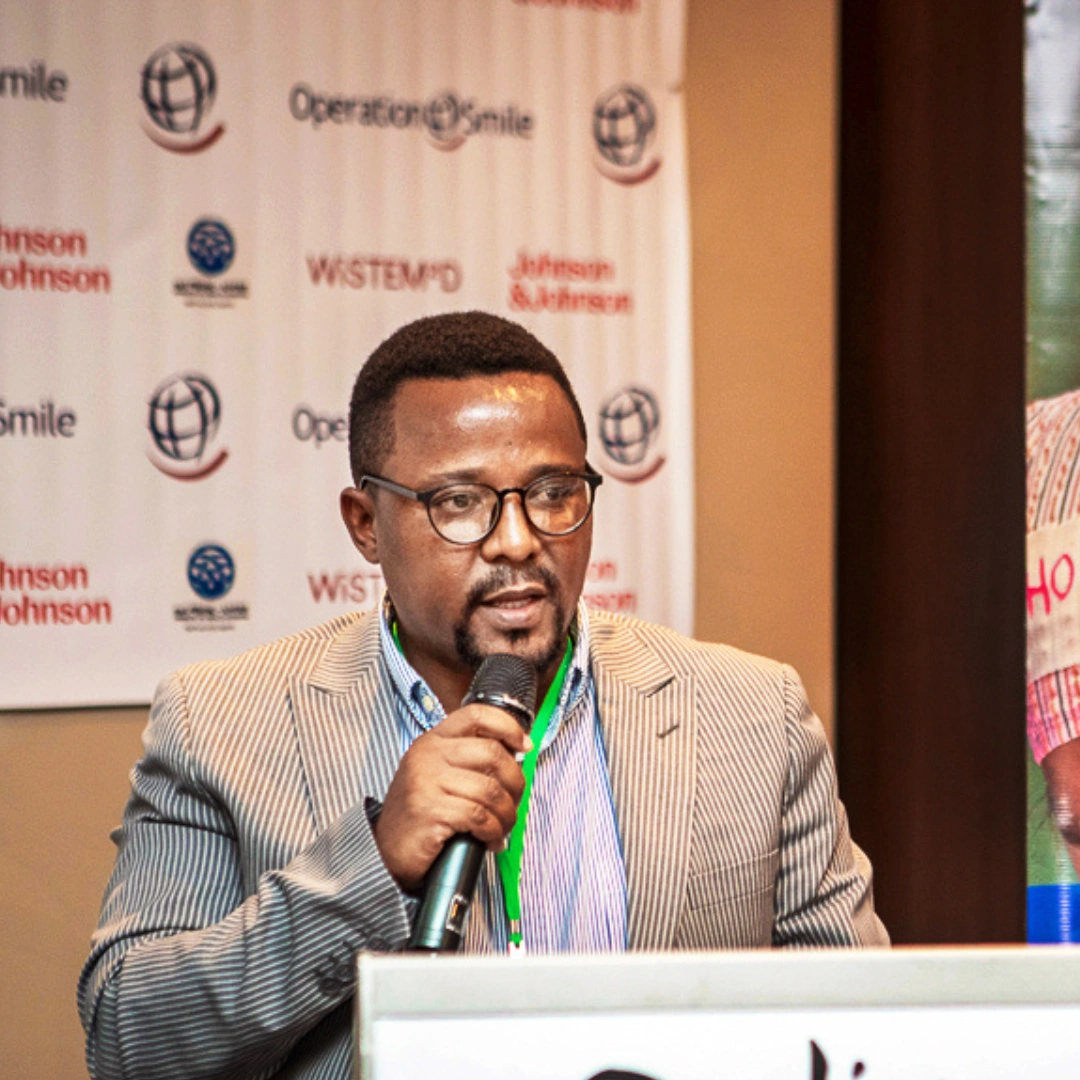
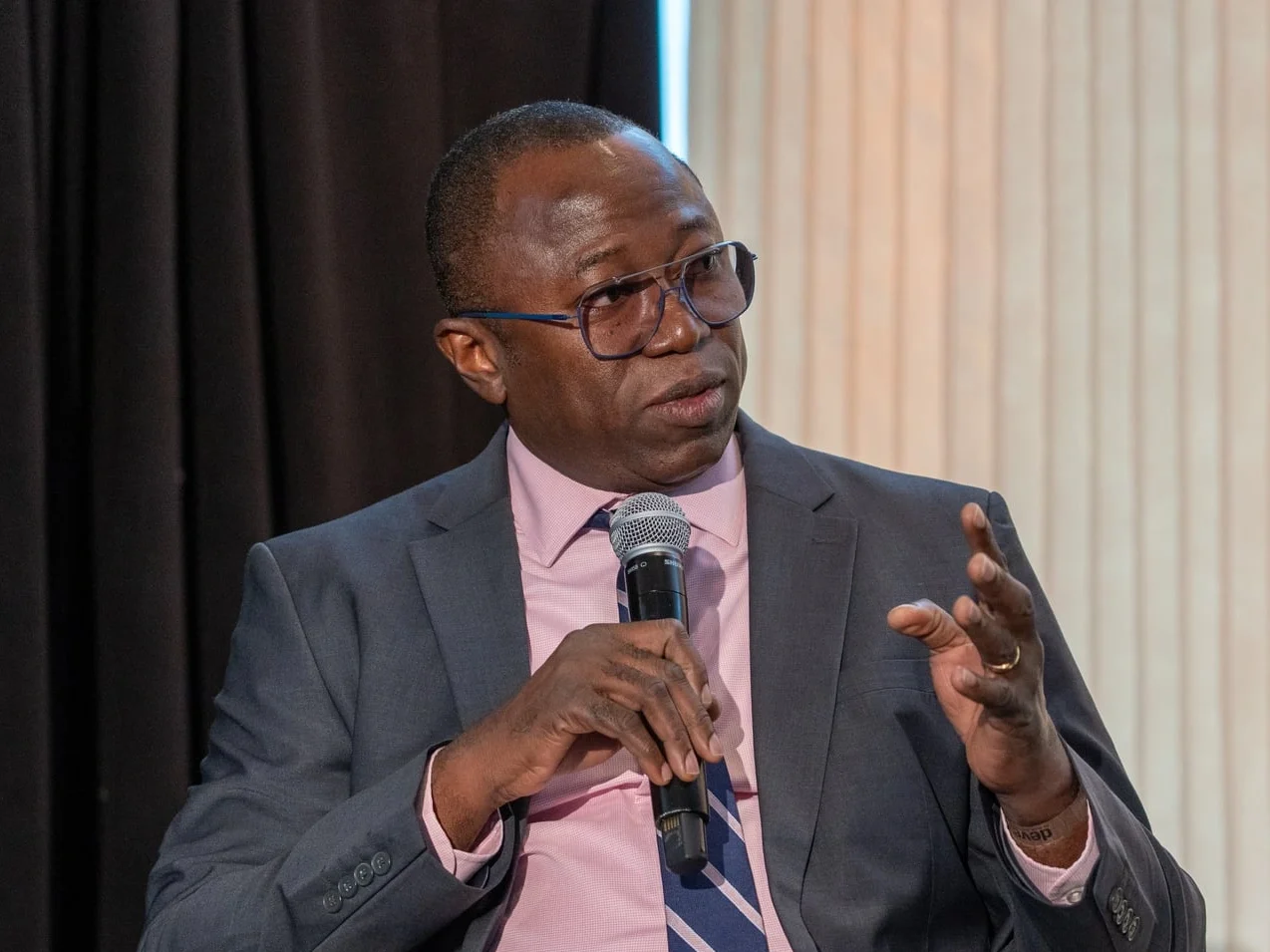
Every family deserves care that is accessible, dignified and close to home. Abiy Semunigus Dejene, Operation Smile’s Regional Director for Sub-Saharan Africa, has spent his career advancing that belief through public health work across Ethiopia and the wider region.
Abiy was born and raised in Yirgalem, in southern Ethiopia. Growing up in a country with a rich cultural heritage and a strong sense of community also meant witnessing the realities of poverty and recurring civil war, experiences that shaped his understanding of compassion, solidarity and the importance of standing alongside communities as they work toward a better future. He holds two bachelor’s degrees and two master’s degrees, and he is currently pursuing a PhD in public health at Jimma University. Across more than 20 years in the nonprofit sector, the private sector and academia, he has contributed to public health initiatives involving USAID, the Gates Foundation and Global Fund-supported programs.
His path into global health was shaped by a question that stayed with him: why do some communities have access to essential health services while others continue to face significant barriers? That question led him to comprehensive cleft care and, over time, to a deeper focus on the families at the center of it. As lead researcher, Abiy conducted a newly published study exploring the lived experiences of caregivers in southwest Ethiopia as they navigate the health system to access comprehensive cleft care. We spoke with Abiy to learn more about his journey, his research and what it means for families across the region.
…behind every name on a waiting list was a child, a family and a story. These were not simply patients waiting for surgery; they were children whose families had been holding on to hope.
— Abiy Semunigus Dejene, Regional Director, Sub-Saharan Africa for Operation Smile
How did you first get involved with Operation Smile?
I joined Operation Smile in October 2021, and I have to admit that, before joining the organization, I did not fully understand the magnitude of cleft conditions in Ethiopia or the challenges faced by children and families waiting for treatment.
That changed very quickly. After joining, I reached out to one of our partner hospitals and asked the hospital liaison team to share a list of children with cleft conditions who had been waiting for surgery for years. I started calling their families to understand their situations and find out whether the children were still waiting for care.
I will never forget those conversations. They made me realize that behind every name on a waiting list was a child, a family and a story. These were not simply patients waiting for surgery; they were children whose families had been holding on to hope.
Those conversations reminded me that timely access to surgical and comprehensive care can make a life-changing difference. Even today, I remember those calls and the voices of the caregivers. They remain a powerful reminder of why this work matters and continue to motivate me to help strengthen local health systems, expand access to comprehensive cleft care and build sustainable services so that more children and families in Ethiopia can receive the care they need.
What has your journey with Operation Smile looked like over the years?
It has been more than five years since I joined Operation Smile, and when I look back, I feel proud of how far we have come in Ethiopia and how the lessons from that journey have informed our work in other countries.
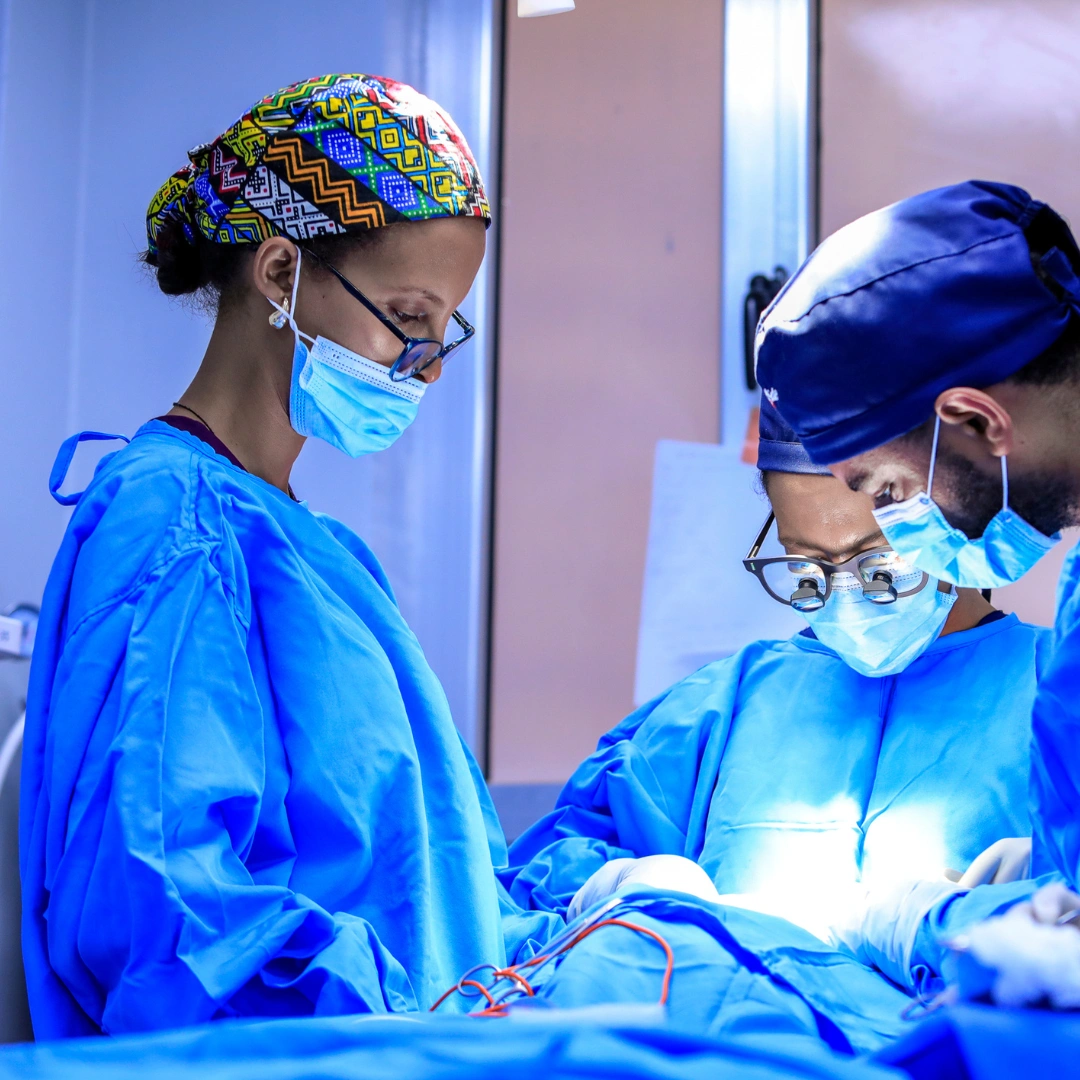
Coming out of the COVID-19 pandemic, there was significant work to rebuild and strengthen our presence in Ethiopia. Close collaboration with university and hospital leadership, dedicated local volunteers and healthcare professionals was essential to that progress. Today, Jimma University Medical Center in southwestern Ethiopia has developed into a comprehensive cleft care service within a public hospital, bringing together different disciplines to support children and their families. We have expanded our hospital partnerships, and Ethiopia now has four partner-hospital hubs providing surgical and comprehensive cleft care in different parts of the country.
For me, the most important lesson from these experiences is that sustainable change does not always begin with a large budget or perfect infrastructure. Sometimes it begins with asking the right questions, believing that a different approach is possible and bringing the right people together around a shared vision. It has strengthened my conviction that, when local professionals and public institutions are trusted and supported, we can build services that are effective, sustainable and accessible to the communities that need them most.
Tell us about your role as Regional Director for Sub-Saharan Africa.
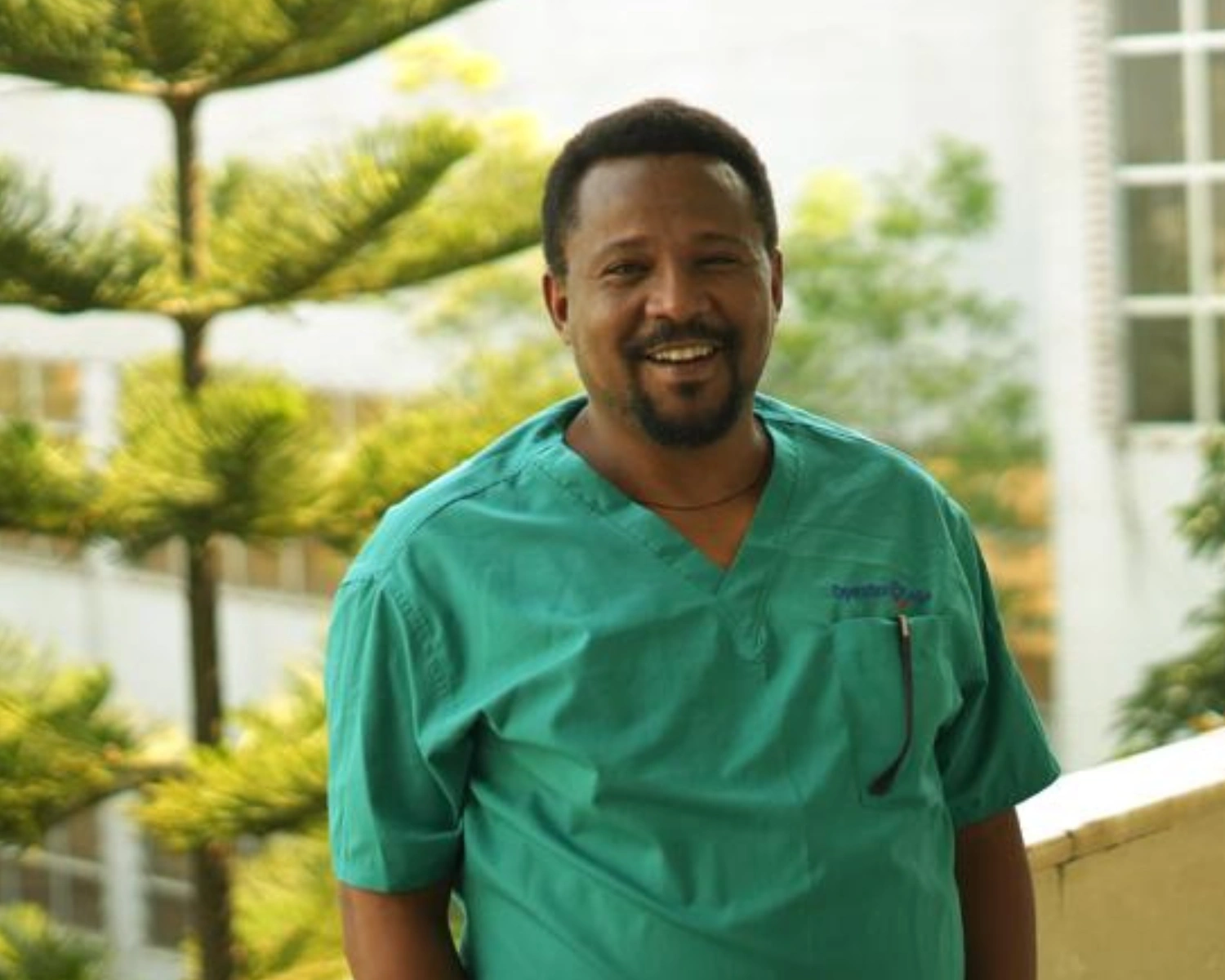
My responsibility is to ensure that our regional priorities are translated into effective country-level implementation while maintaining alignment with Operation Smile’s global strategy.
In practice, I work across countries, teams and functions to provide strategic direction and operational support. This includes working closely with country teams and local partners, engaging ministries of health and other government institutions, strengthening relationships with hospitals and academic institutions, and coordinating with global and regional colleagues.
A significant part of my role involves navigating different country contexts. Each country has its own health-system priorities, government structures, operational challenges and partnership opportunities. This requires balancing global strategic priorities with country-specific solutions, ensuring that programs are locally relevant, sustainable and aligned with national health priorities. Much of this work happens behind the scenes, bringing people and institutions together, addressing challenges and creating the conditions for country teams to succeed.
What inspired your research on access to comprehensive cleft care?
Through my work with Operation Smile, I have seen that treating cleft requires much more than surgery. Children and their families may need nutritional support, speech therapy, dental care, psychosocial support and long-term follow-up. While expanding these services is important, I became increasingly interested in understanding the experiences of the caregivers who navigate the health system to access them.
This research reinforces what Operation 100 is designed to achieve…locally led, sustainable systems so every child and family can access the full range of care…close to home and without barriers.
— Abiy Semunigus Dejene, Regional Director, Sub-Saharan Africa at Operation Smile
Why does this type of exploratory research matter?
Service availability does not automatically translate into equitable access. A hospital may offer comprehensive cleft care, but families can still face significant barriers.
Qualitative research allows us to hear perspectives that routine program data and clinical indicators may not capture. By exploring caregivers’ lived experiences, we can better understand how stigma, cultural misconceptions, emotional distress, poverty and health-system challenges interact to influence care-seeking. Our study reflects both the difficulties caregivers experienced and the positive changes they associated with accessing comprehensive cleft care. Most importantly, it places caregivers’ voices at the center of discussions about service design and health-system improvement.
Were you surprised by the results you found?
Yes. One of the biggest surprises was how much this research changed my understanding of the experiences of children born with cleft conditions and their caregivers.
Having worked in cleft care for several years, I thought I already understood their experiences. However, listening to caregivers share their stories revealed challenges I had not fully appreciated, including stigma, cultural misconceptions, healthcare barriers, transportation difficulties, and economic hardship.
One story that particularly stayed with me was that of a mother who, overwhelmed by her circumstances, reached a point of desperation and left her child on the street. It was heartbreaking and made me realize how deeply emotional suffering and social isolation can affect families. It reminded me that, as healthcare professionals, we may see a child’s clinical condition without fully understanding the circumstances surrounding the child and family.
I was equally encouraged by caregivers’ positive experiences after accessing comprehensive cleft care. They described improvements in their children’s feeding, nutrition, speech, and social participation, as well as greater confidence, knowledge, and trust in healthcare providers.
What surprised me most was realizing that the impact of comprehensive cleft care extends far beyond surgery. It can restore hope and dignity, strengthen families, reduce stigma, and help children participate more fully in their communities.
Ultimately, this research reinforced an important lesson: we should never assume we fully understand the experiences of the people we serve. We must listen to them and design services around their actual needs. Cleft care must be holistic, multidisciplinary, and family-centered, addressing not only clinical needs but also the social, psychological, and economic challenges families face.
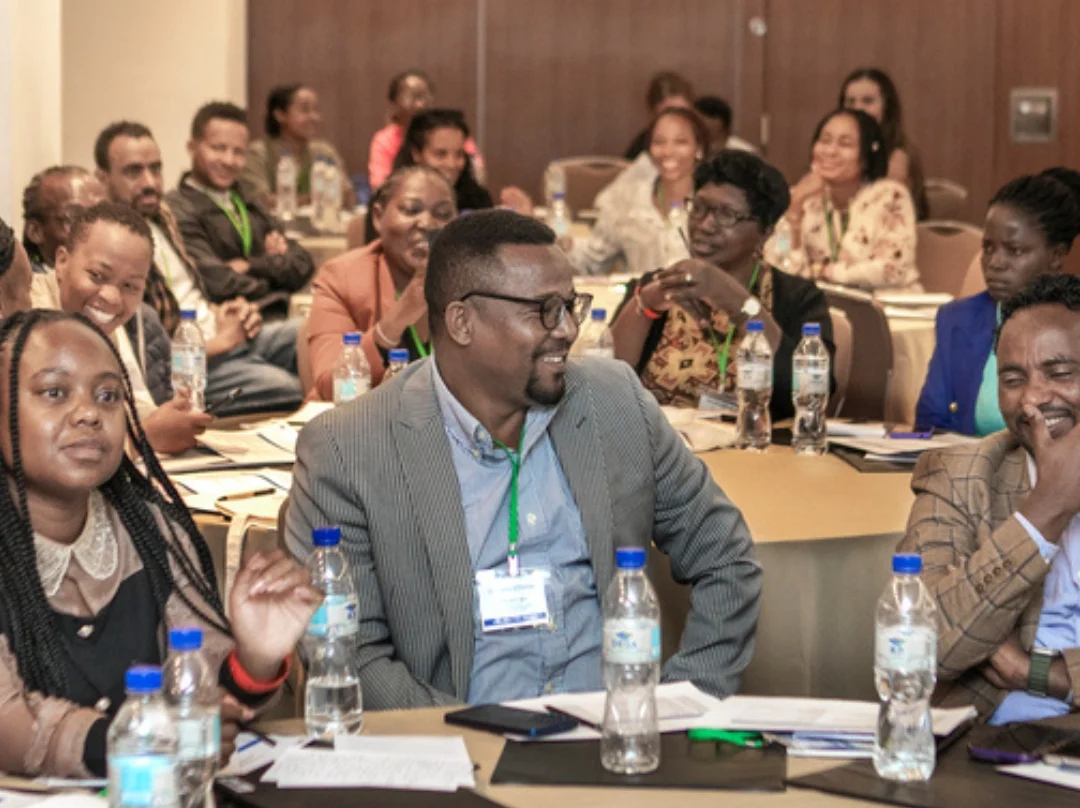
What are you hoping will come of this research? Is there a clear path forward in addressing the barriers?
Addressing these barriers will require coordinated action rather than a single intervention, and to do so I believe we need to:
- Strengthen referral pathways so that children with cleft conditions are identified earlier and connected to appropriate services without unnecessary delays.
- Bring comprehensive care closer to families by strengthening hospital-based multidisciplinary services and integrating cleft care into existing public health systems.
- Address the financial and geographical barriers families face. Better transport support, financial assistance, and coordination between referring facilities and specialist centers.
- Prioritize community awareness and engagement. Working with healthcare workers, community leaders, and families can help address misconceptions, reduce stigma, and encourage families to seek care earlier.
- Recognize psychosocial support as an integral part of comprehensive cleft care. Families need not only access to clinical services but also information, emotional support, and respectful communication throughout their care journey.
Ultimately, I hope the findings encourage policymakers, healthcare providers, and implementing organizations to listen more closely to caregivers and use their experiences to guide service improvement.
This research reinforces what Operation 100 is designed to achieve. We are committed to strengthening locally led, sustainable systems so every child and family can access the full range of care they need: surgery, nutrition, speech, dental and psychosocial support, close to home and without barriers.
Operation 100 is our commitment to bring care closer to home to the families who need it most. Abiy’s research shows us what that journey looks like on the ground, and why locally led, sustainable systems are the only way to close the gap between care that exists and care that families can actually reach.
Help bring care within reach.
Donate today to help more children and families access the surgery, support and follow-up care they need, close to home.
More Thought Leadership Stories
-
Thought Leadership
Why Research Matters: New Clues About Cleft Development
-
-
We Build Hope

-
-
Thought Leadership
Answering Why: Operation Smile’s Ongoing Study into Cleft Risk Factors
-
We Build Hope
Thought Leadership
Nine Inspiring Moments That Made Us Smile in 2025
-
We Build Hope
Thought Leadership
The Power of Storytelling to Build Hope and Expand Access
-
We Build Hope
-
Thought Leadership
Taking the Lead: Four Changemakers in Africa
-
Thought Leadership
Key Takeaways from UNGA 80 That Can Transform Access to Care
-
We Build Hope
-