Care Providers
5 Ways Volunteers Drive Sustainable Development and Impact
As the United Nations marks 2026 as the International Year of Volunteers for Sustainable Development, we look at how Operation Smile volunteers help create powerful change for communities around the world.
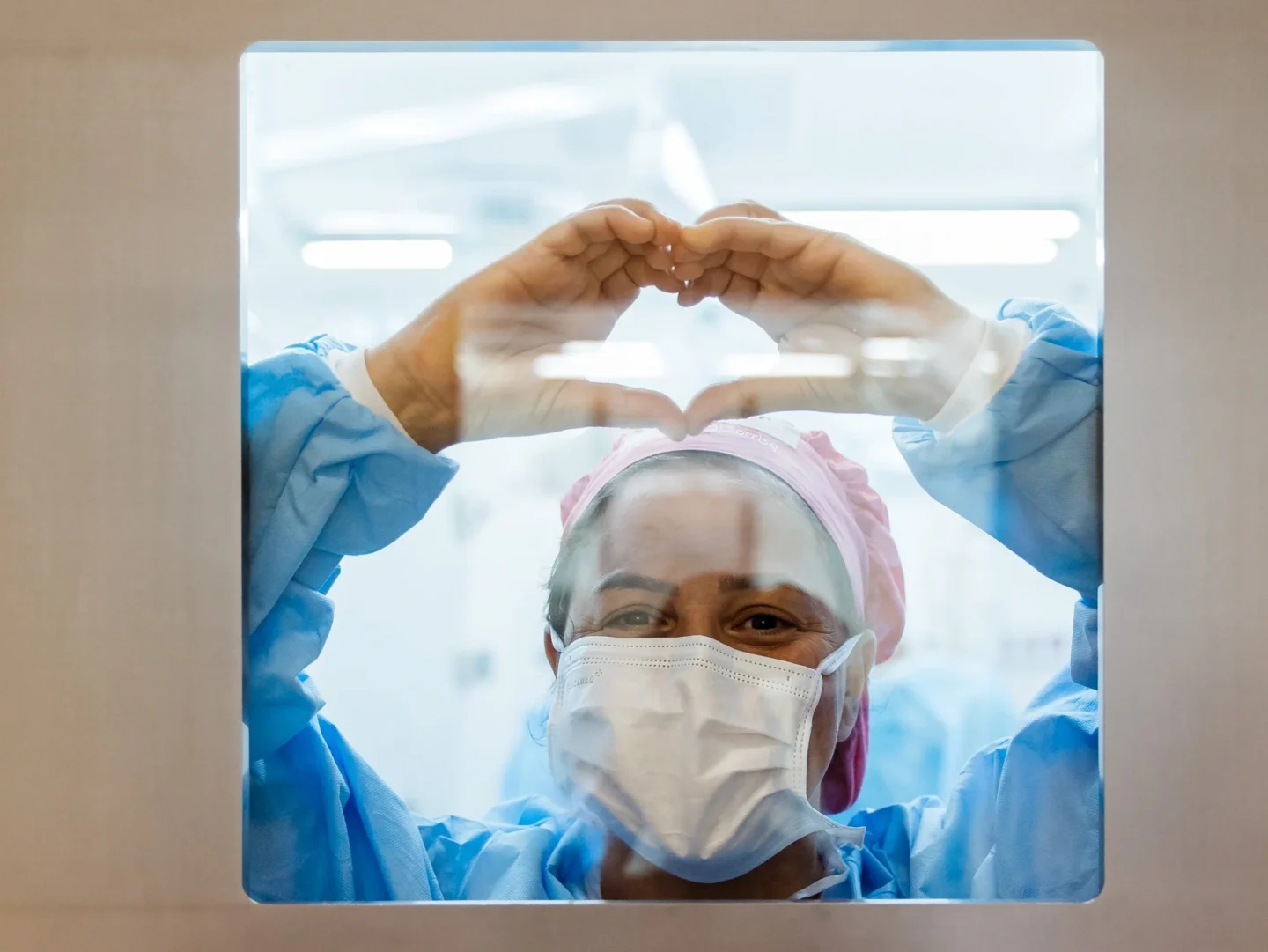
Volunteers are a force for good. At Operation Smile, they are the heart of everything we do, giving their time, skills and compassion to strengthen health systems and ensure patients can get the care they need.
Since 1982, Operation Smile volunteers have shown what is possible when people come together with a shared purpose. Their dedication strengthens local systems, inspires future leaders, brings hope to families and creates a ripple effect across communities.
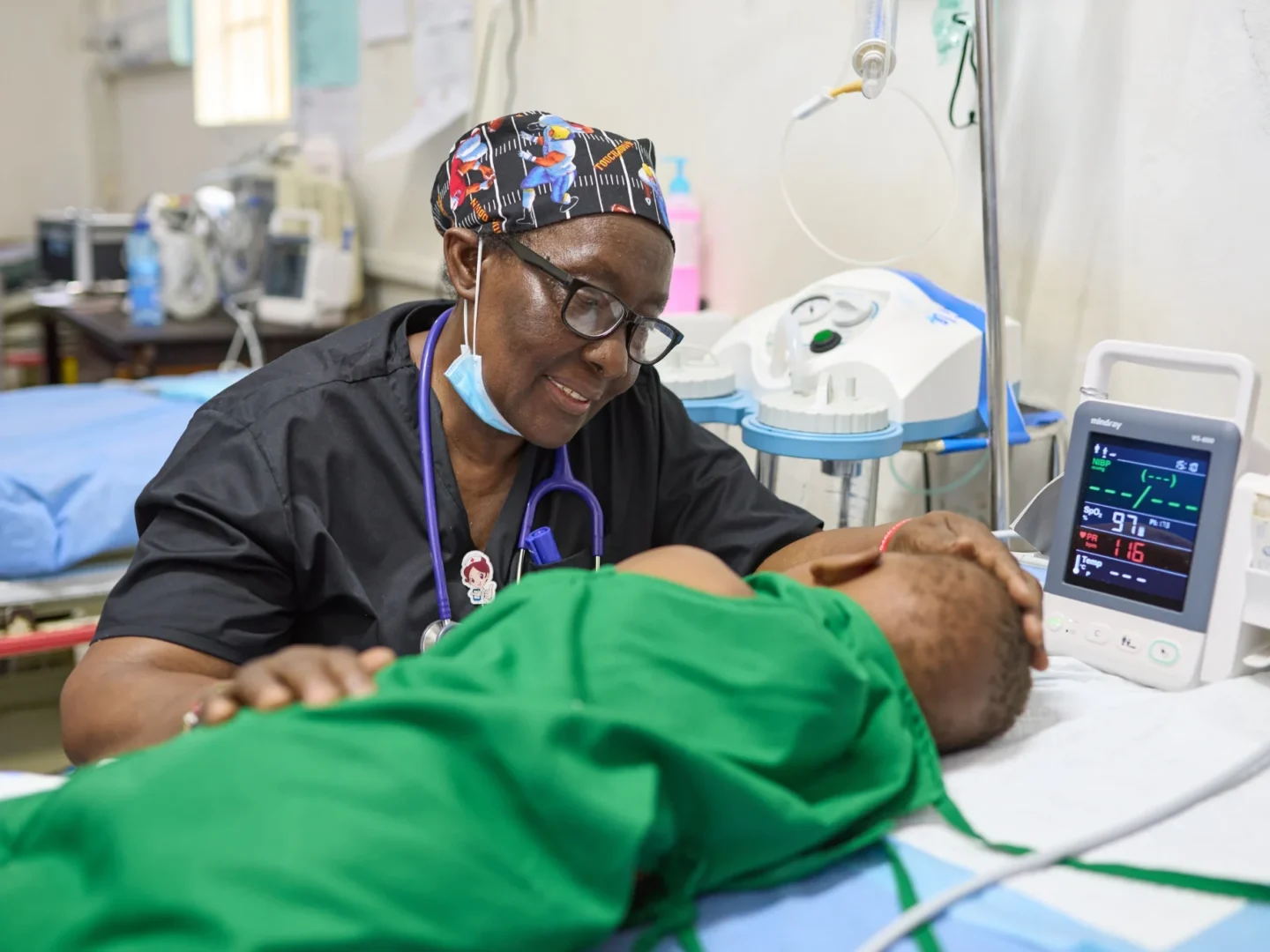
Today, more than 6,000 volunteers from more than 60 countries support and lead our work across multiple specialties — from surgeons and nurses to biomedical technicians, psychosocial providers, photographers and students. Together, they bring diverse skills but share one goal: to build healthier futures for patients and communities.
Here are five ways volunteers are driving sustainable development around the world.
1. Caring for their Communities
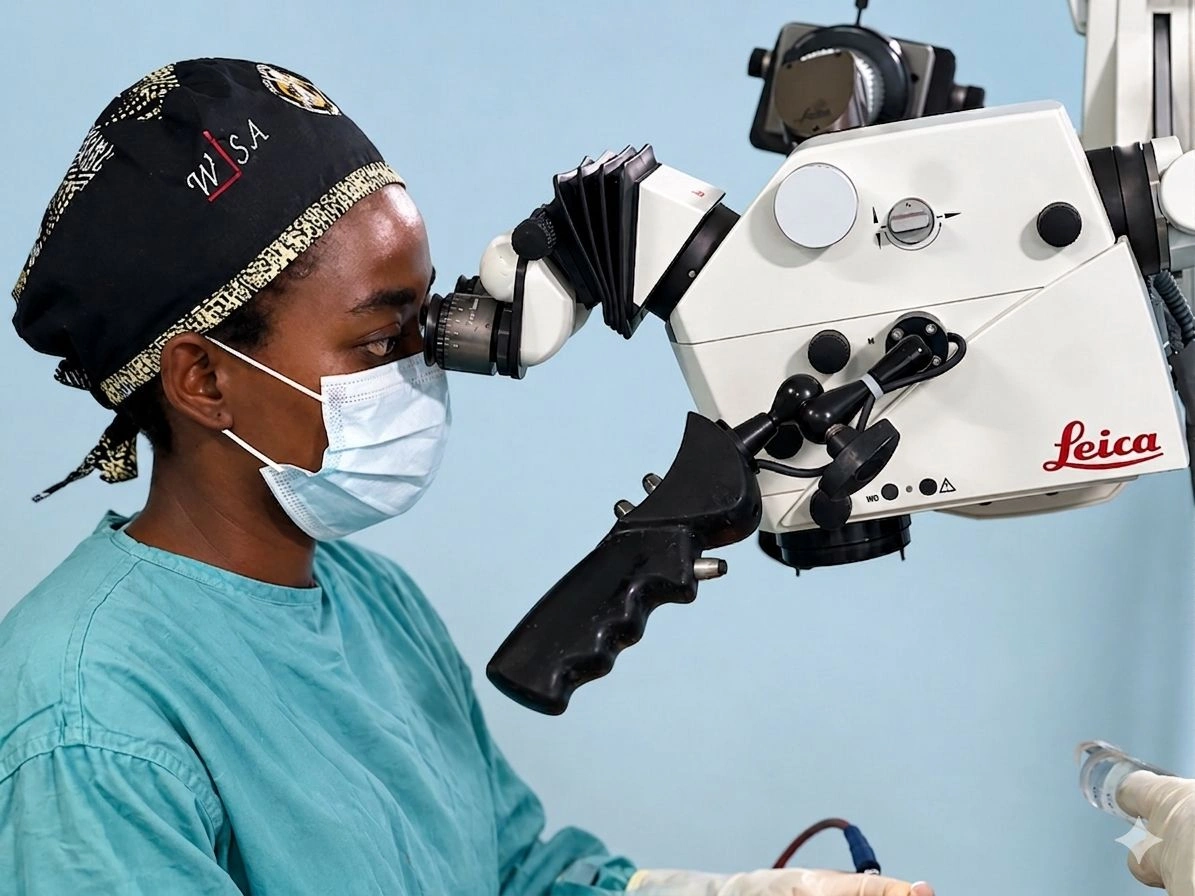
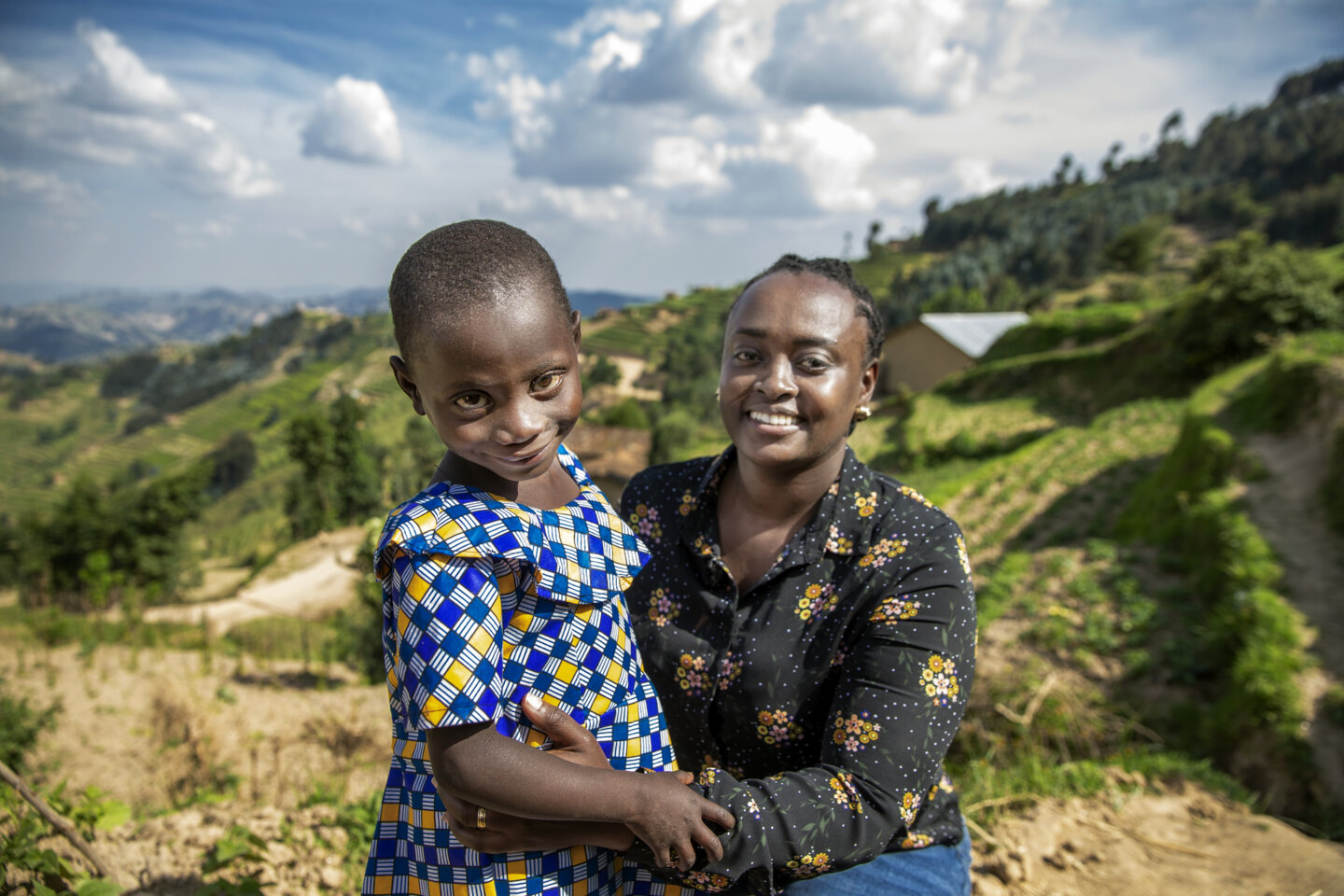
In 2013, Rwanda, a country of about 14 million people, had only two plastic surgeons. Through Operation Smile’s partnership with the College of Surgeons of East, Central and Southern Africa, the University of Rwanda and the support of local and international volunteers that number has grown. Today, Rwanda has six plastic surgeons, with more in training. Volunteers like Dr. Francoise Mukagaju, M.D., Rwanda’s first female plastic surgeon, are committed to serving patients in their home country.
“It is important for us to stay in our country, to serve our population,” Mukagaju said. “We have seen the need, and it is for us to meet that need.”
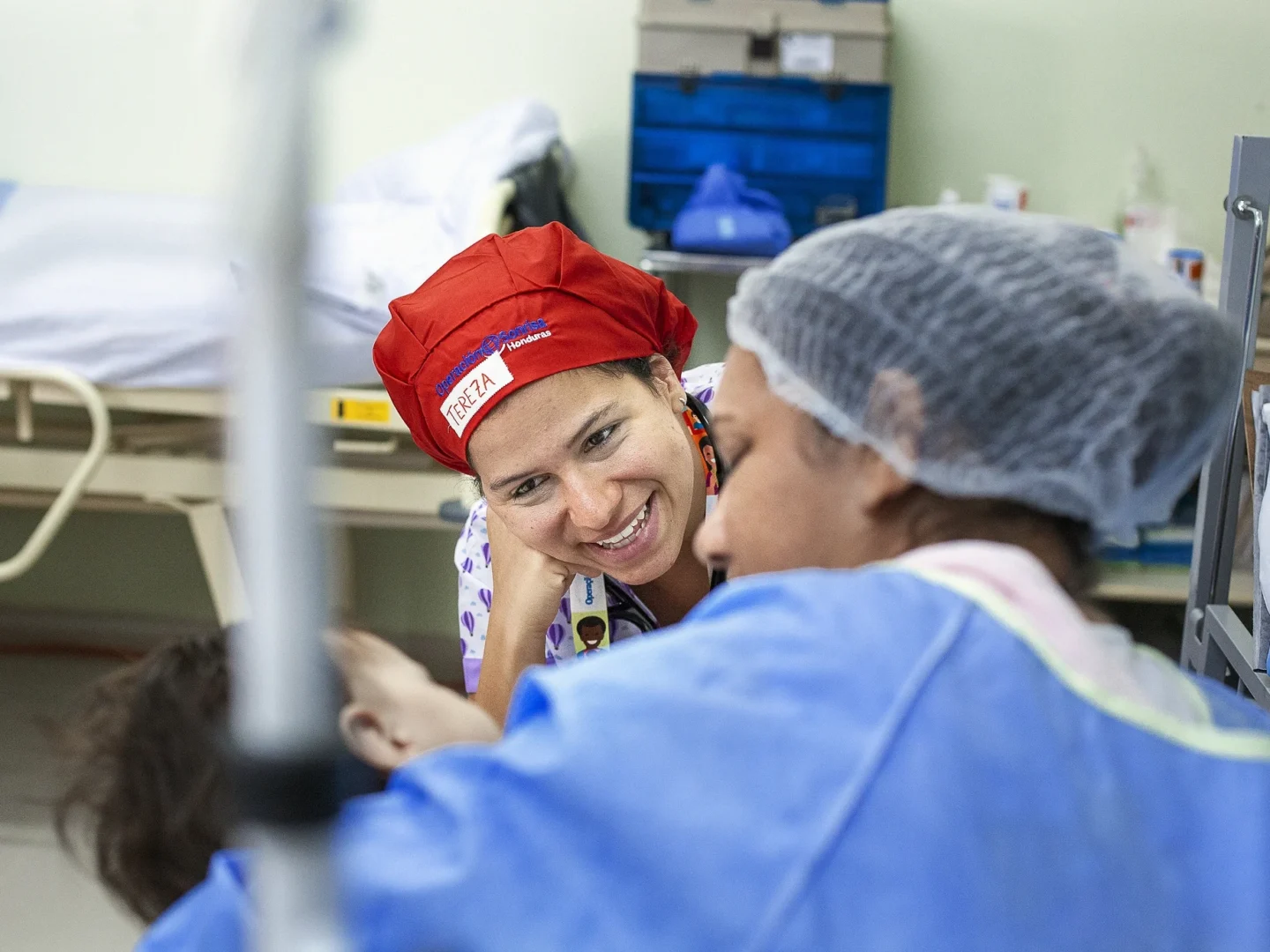
In Mexico, volunteer Dominga Diaz Hernandez has spent more than 14 years serving her community. She began as a translator and later completed her studies and training to become a post-anesthesia care unit (PACU) nurse. Combining her skills, Dominga supports patients through recovery after surgery and ensures families feel understood, respected and fully part of their care journey — often bridging language and cultural gaps for families who speak Indigenous languages such as Tzotzil and Tzeltal.
“Volunteering is the spark that gives energy to my life,” she said. “It motivates me to know that what I do can change lives — not just mine, but many others too.”
2. Training and Mentoring Other Local Health Workers
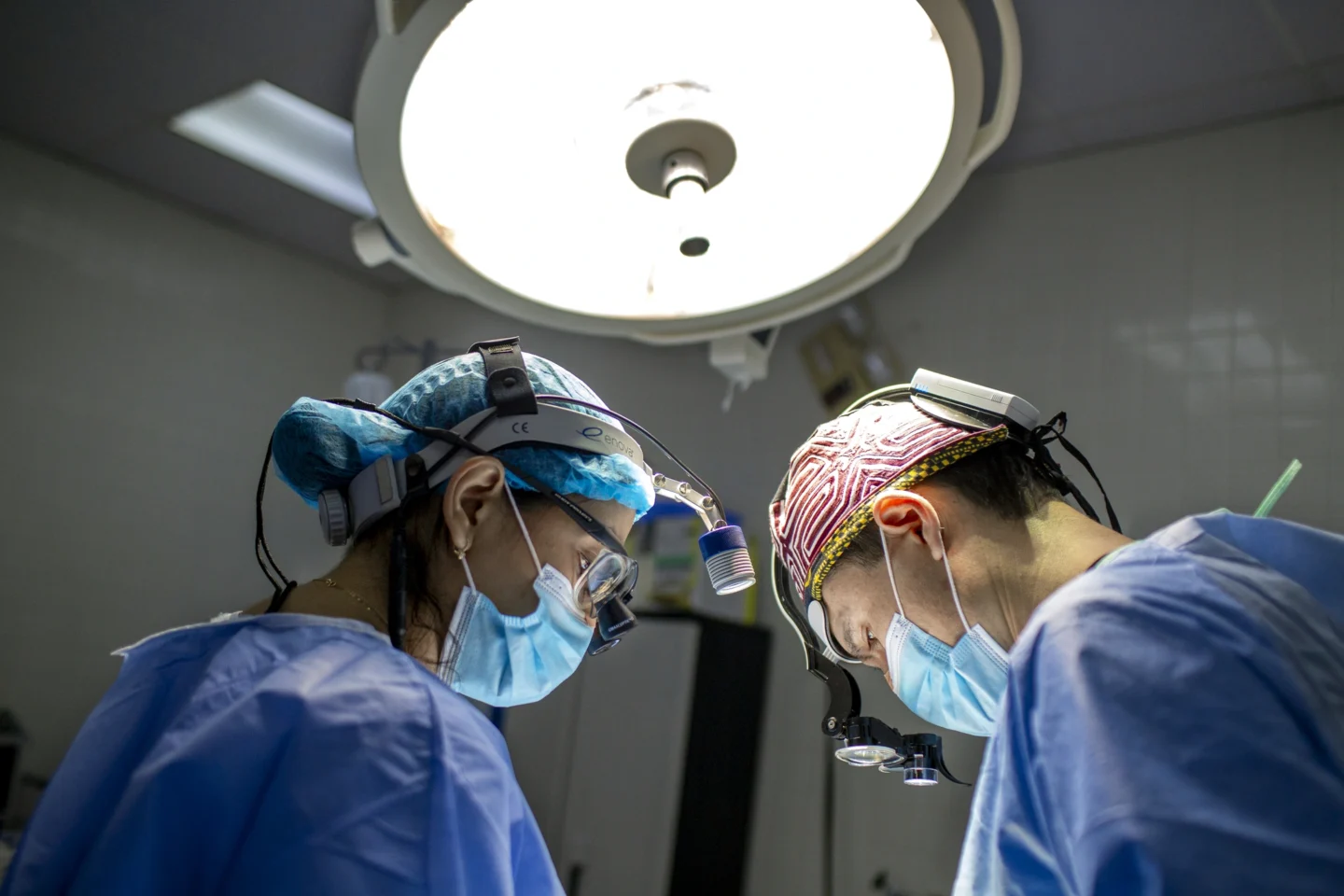
Operation Smile fosters two-sided mentorships between local and international volunteers. These partnerships create hands-on training opportunities in regions where specialty education isn’t available — such as Guatemala, which has no plastic surgery training program.
Volunteer mentor Valeri Paredes, D.D.S., from Ecuador works alongside local volunteer Ivania Santos, D.D.S., from Guatemala to guide trainees and build surgical capacity.
“We must train high-quality surgeons,” Paredes said. “Not just produce a certain quantity of surgeons out of necessity, but quality surgeons, so they can solve problems in their localities, their communities or their countries.”
These mentorships equip local clinicians with the skills and confidence to perform complex procedures and lead care teams in their own countries. About 86% of medical volunteer positions are filled by health care professionals from the countries where Operation Smile works, showing that sustainable impact grows from local expertise.
3. Leading Policy, Research and Advocacy Efforts to Create Lasting Change
Operation Smile volunteers shape policy, research and advocacy to expand access to care in their communities and globally. Their work informs health systems and ensures care reaches those who need it most.
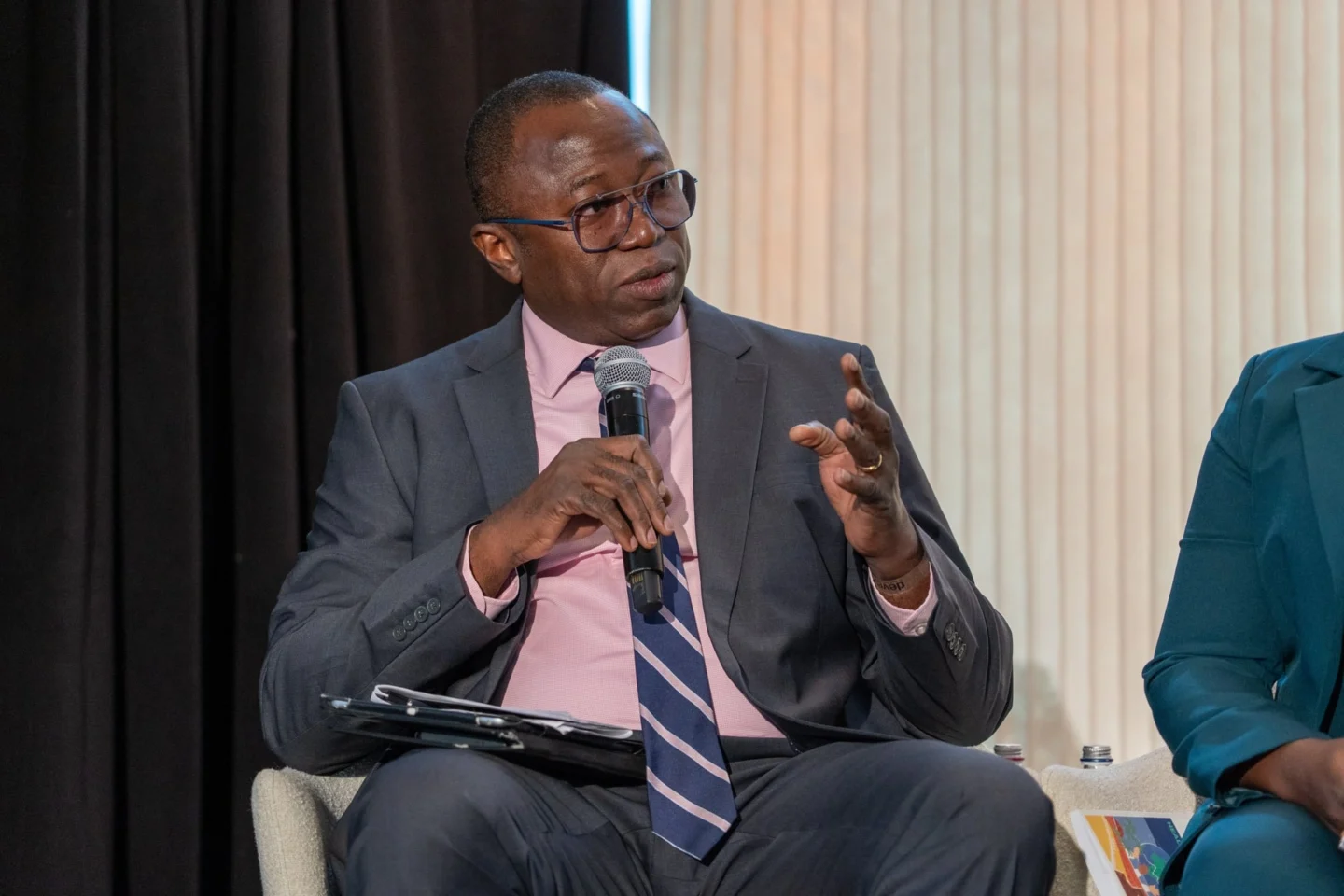
Volunteer surgeon Opoku Ampomah, M.B., Ch.B., a plastic surgeon who has volunteered with Operation Smile for 15 years, exemplifies this impact. His leadership in Ghana has helped train local surgical teams and pioneer lasting improvements in cleft care. Last year, he joined Operation Smile during the United Nations General Assembly (UNGA) Week for a high-level session on expanding access to surgical care. In the discussion, he highlighted learnings from Ghana, the country’s national surgical, obstetric and anesthesia plan (NSOAP) and how cleft care can serve as a model for locally led, globally supported surgical systems.
4. Expanding Access through Comprehensive Care
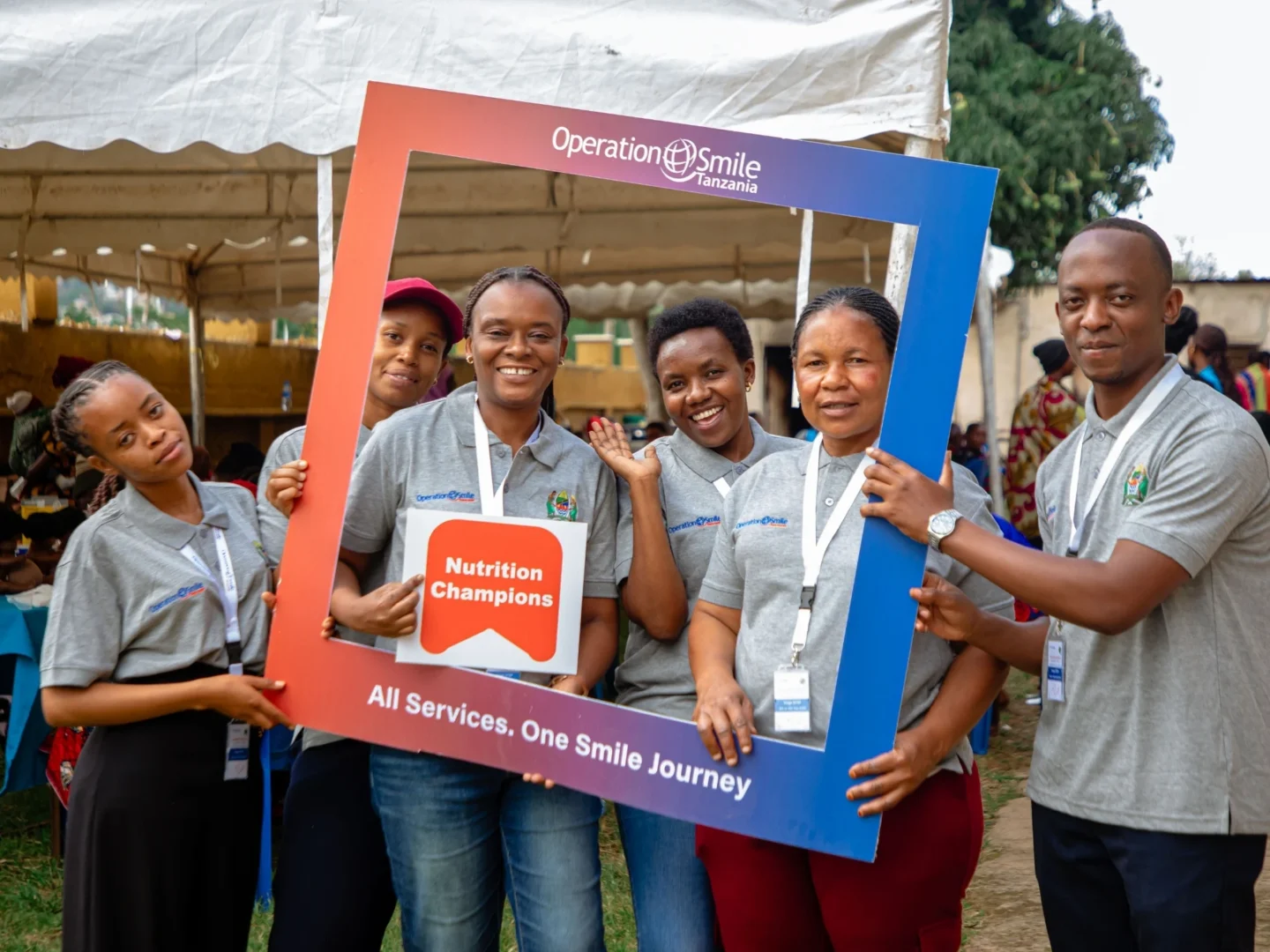
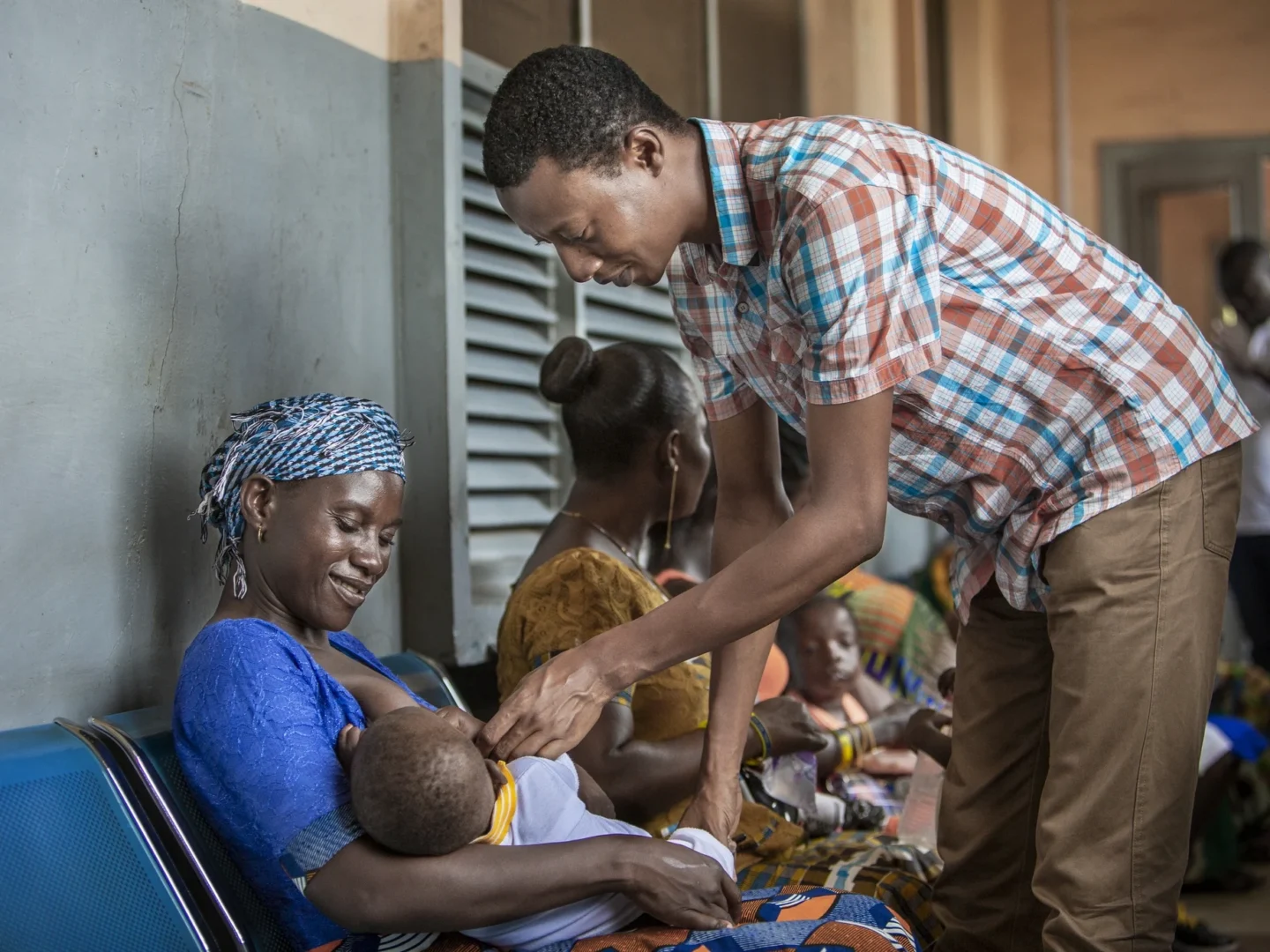
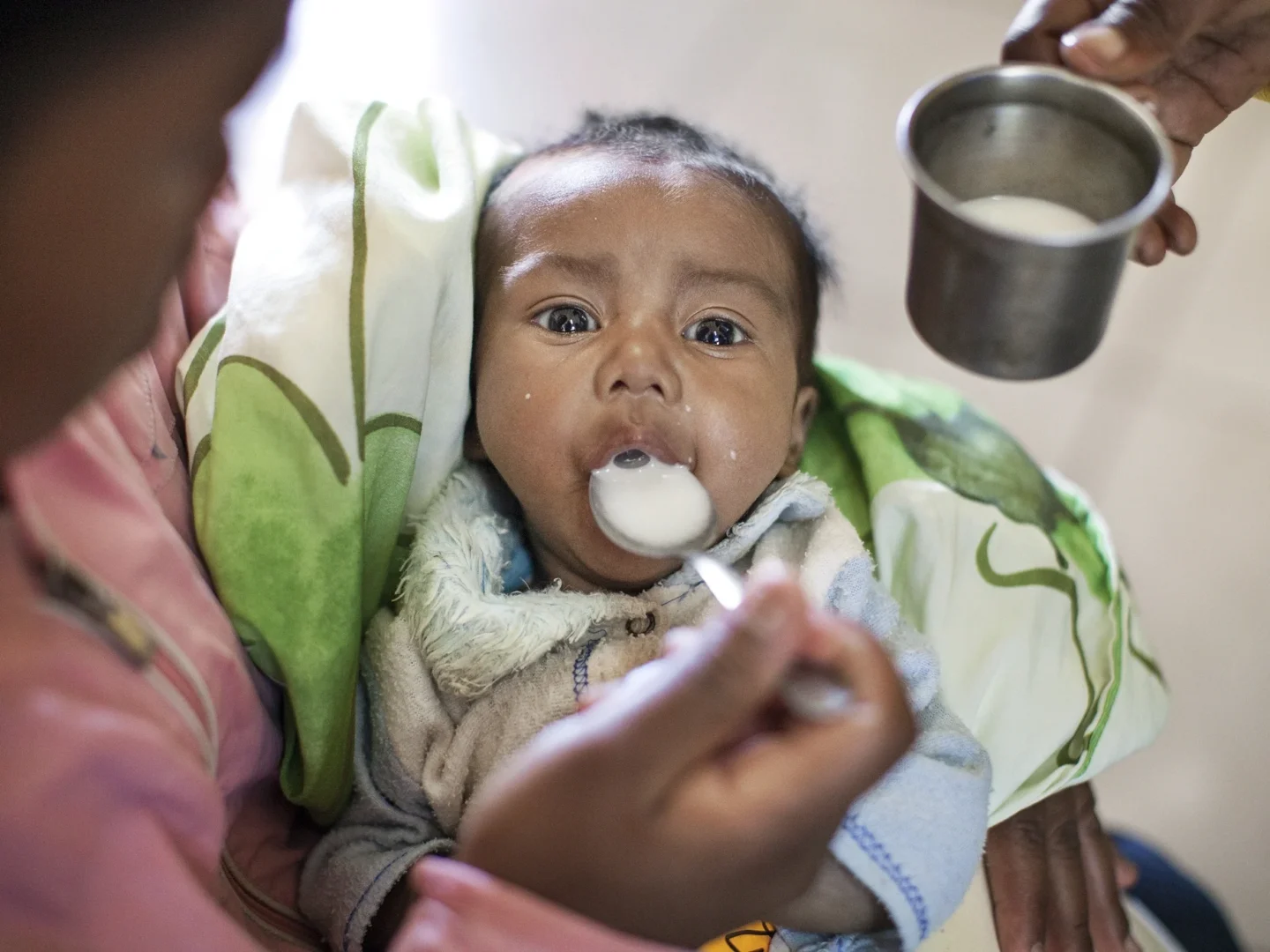
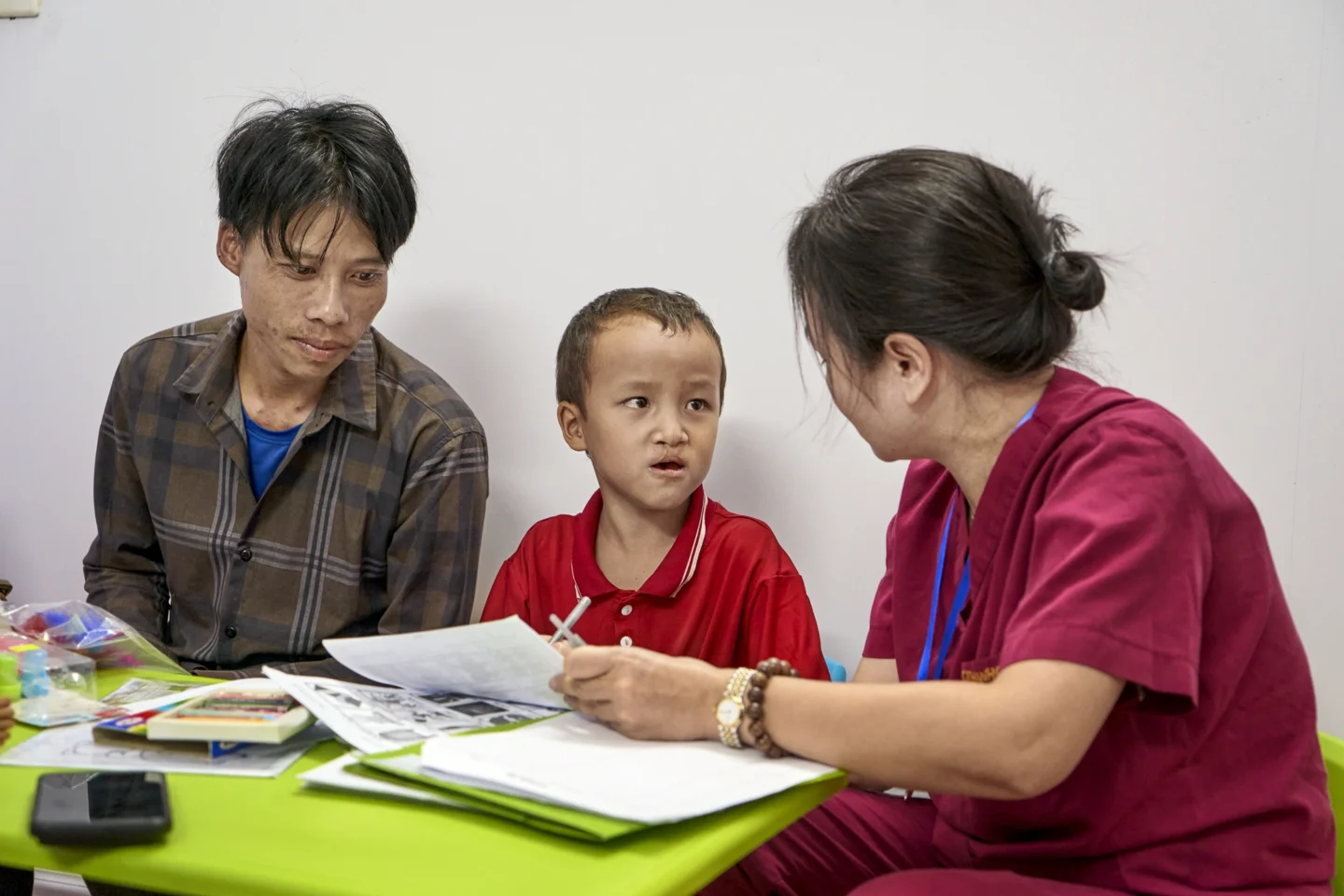
Comprehensive care goes beyond surgery, supporting every part of a child’s development — from nutrition and feeding to speech, oral health and psychosocial care. Operation Smile brings together local and international volunteers to train multidisciplinary teams in the skills needed to provide long-term, holistic support.
Volunteers share expertise, mentor local clinicians and help build systems that ensure children continue to receive high-quality care in their communities.
Erika Bostock, a speech therapist from South Africa, trains local clinicians in cleft-specific speech therapy. “Education and training is vastly important to ensure we are not wasting the child and family’s time by providing inappropriate intervention,” she said.
In Vietnam, Nguyễn Thị Thanh Châm, M.D., provides speech therapy and trains families alongside children so skills learned in the clinic can be practiced at home, strengthening long-term outcomes and family confidence.
Volunteers like Erika and Nguyễn help make comprehensive care sustainable, expanding access and giving children the best chance to grow, learn and thrive.
5. Creating a Ripple Effect
Volunteers’ work inspires a new generation of leaders, advocates and community builders who continue to make an impact in their communities and beyond. This ripple effect spreads through patients, families and caregivers, showing how one act of care can multiply into many.
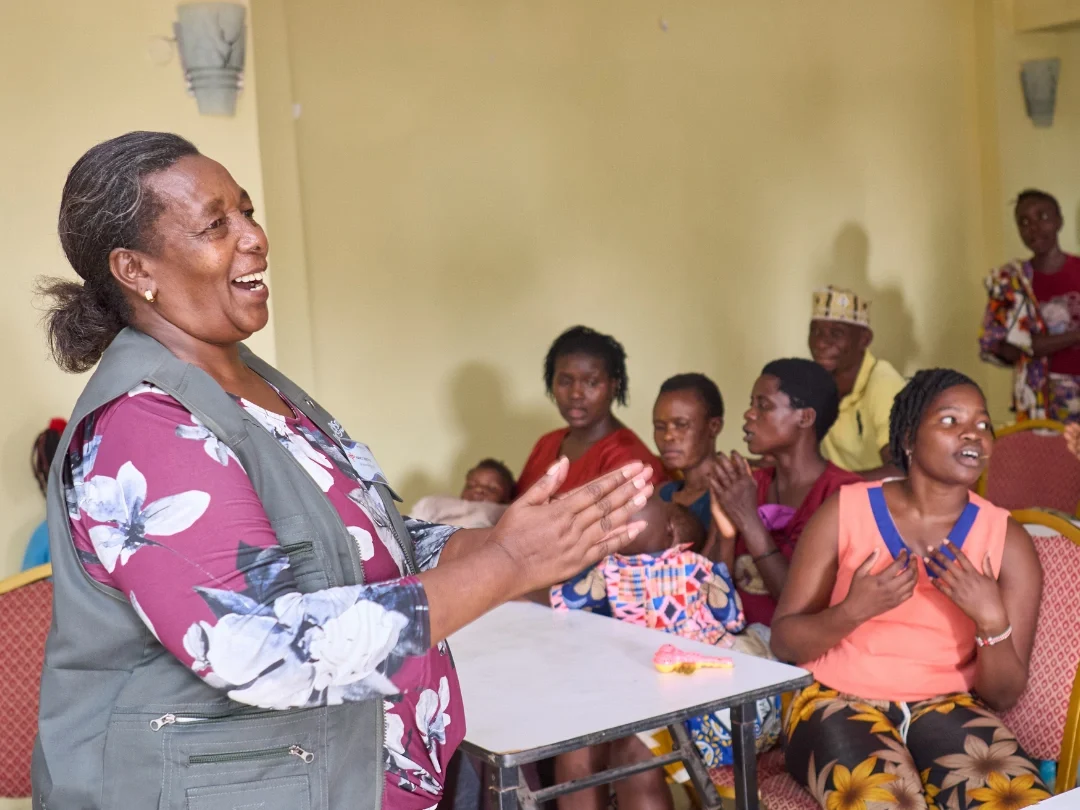
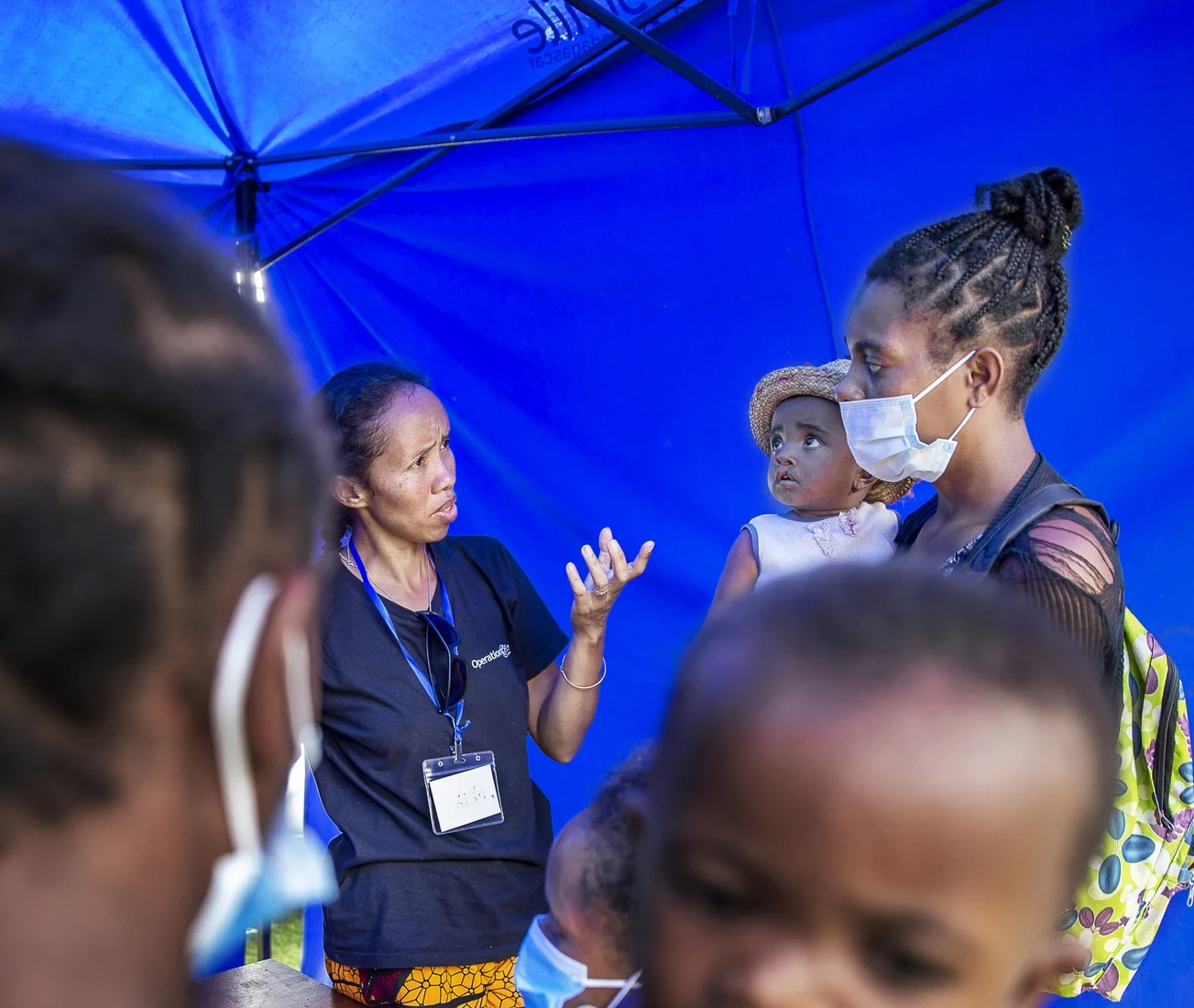
When her daughter Joyce was born with a cleft, Nina didn’t know how to care for her. Through Operation Smile, she learned the skills and support she needed. Today, Nina volunteers as a psychosocial care provider, mentoring and guiding other families facing similar challenges.
“I know that feeling of wanting to hide your child: not because you’re ashamed, but because you don’t want them to be hurt by people’s stares or comments,” Nina said. “But for the good of our children, we have to be strong. Give them the chance to have a better life. Don’t let fear stop you from doing what’s best for them.
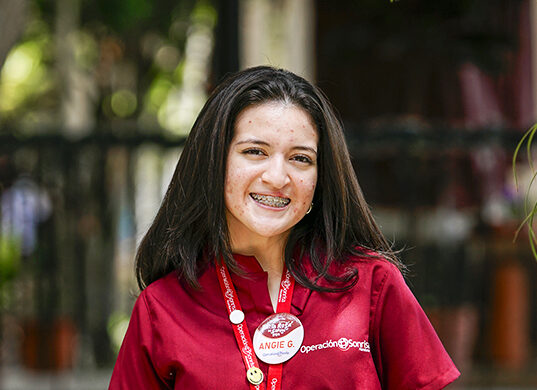
In Honduras, Angie was born with a cleft lip and palate. Introduced to Operation Smile at age 7, she received comprehensive care including speech therapy, nutrition support and psychosocial care. That support gave her confidence and purpose. Today, Angie is a third-year medical student at the Catholic University of Honduras and an Operation Smile patient advocate. She volunteers with her parents, supports patients and families, and dreams of becoming a maxillofacial surgeon to create lasting impact.
“Sometimes they feel alone or ashamed. I want to be the person who says, ‘You’re not alone. I’ve been there. You can do this. Let me help you,’” Angie said.
In Morocco, Aymane was born with a cleft lip and palate. His mother traveled tirelessly to ensure he received high-quality care from Operation Smile Morocco. Now, Aymane shares his story as a patient advocate through presentations and Cleft Connect Chat, a virtual support network for individuals born with cleft conditions. He dreams of becoming a doctor to continue helping children, driven by the care and opportunities he received as a child.
Nina, Angie and Aymane’s journeys show how transformative care creates a ripple effect: patients and families who receive life-changing support grow into advocates who strengthen communities and inspire hope around the world.
These are just a few of the many volunteers, stories and specialties that make up the Operation Smile community. Their dedication transforms lives in their countries and beyond, creating a ripple effect of hope, care and opportunity. We look forward to sharing more of their journeys and celebrating the incredible impact of volunteers.