ISLC, presented by Align Technology, is this month!

Global

July, Mouth Swabs and Ancient Egypt: Answering Frequently Asked Questions about Cleft Conditions

In honor of National Cleft and Craniofacial Awareness Month, we look at what cleft conditions are, their impact and the path forward.

July 15, 2026

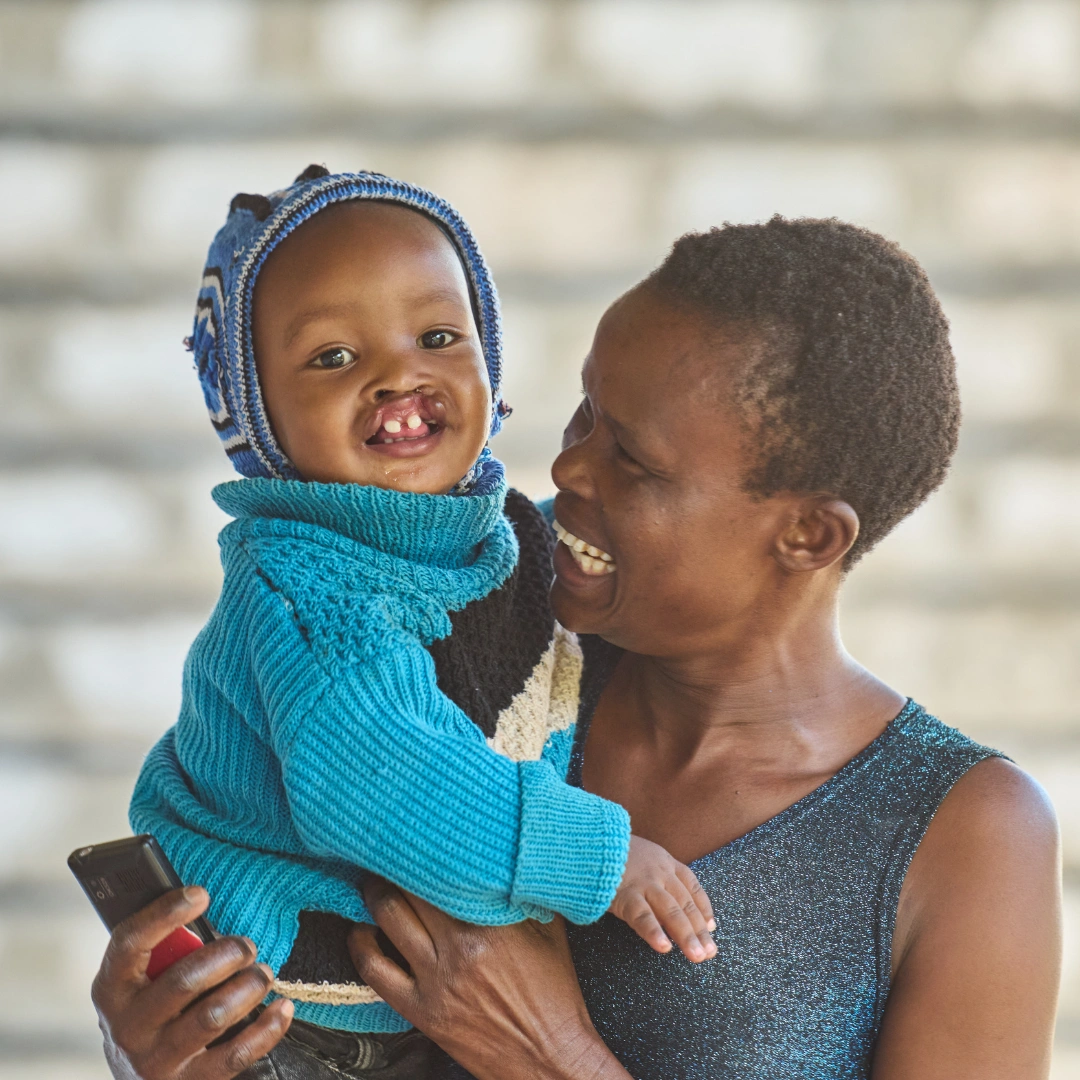
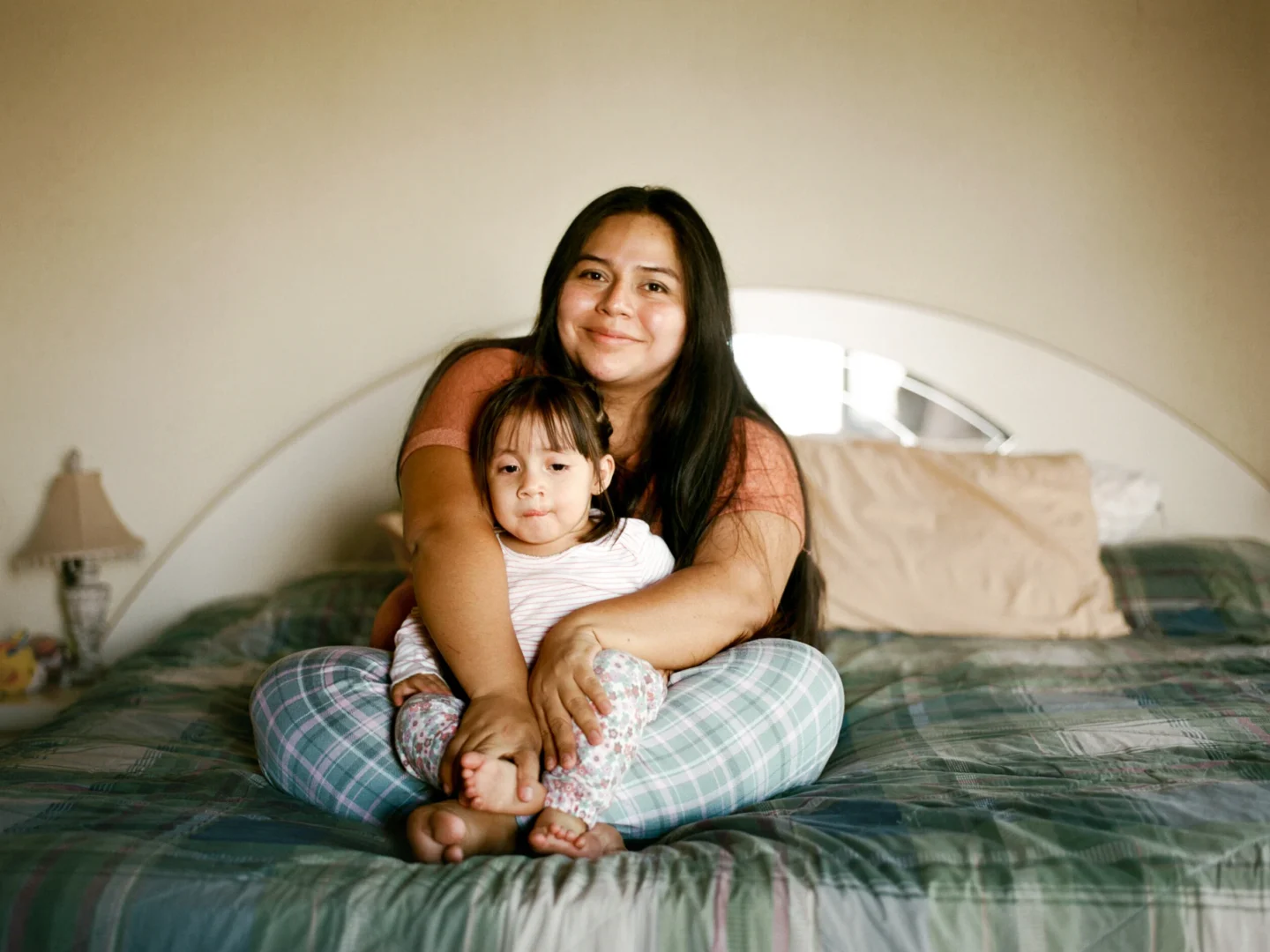
Aron hugs his mom while smiling for the camera.

Cleft conditions are among the most common craniofacial differences. In honor of July’s National Cleft and Craniofacial Awareness and Prevention Month, we’re answering some of the most frequently asked questions about cleft conditions.

What is a cleft condition?

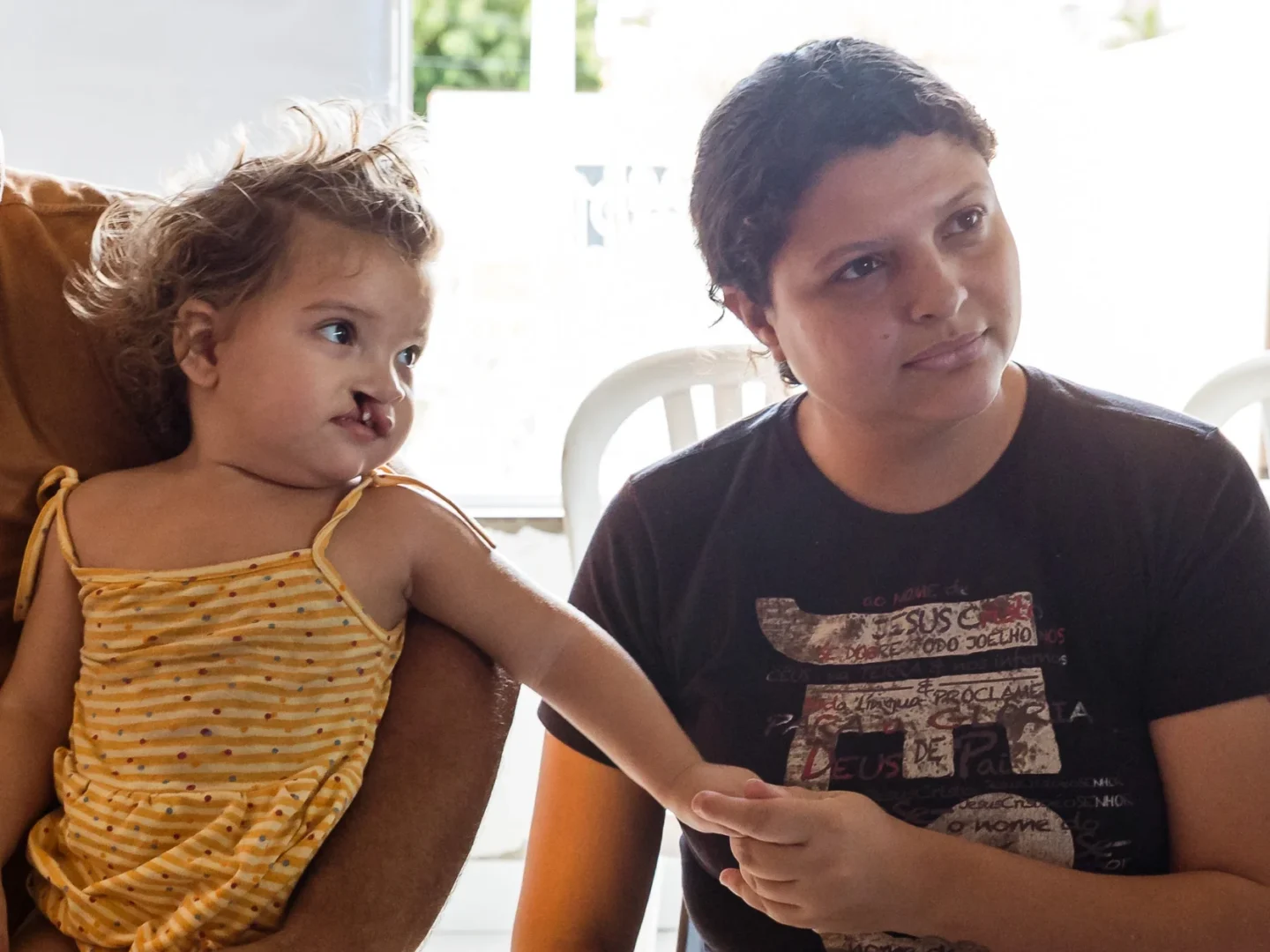
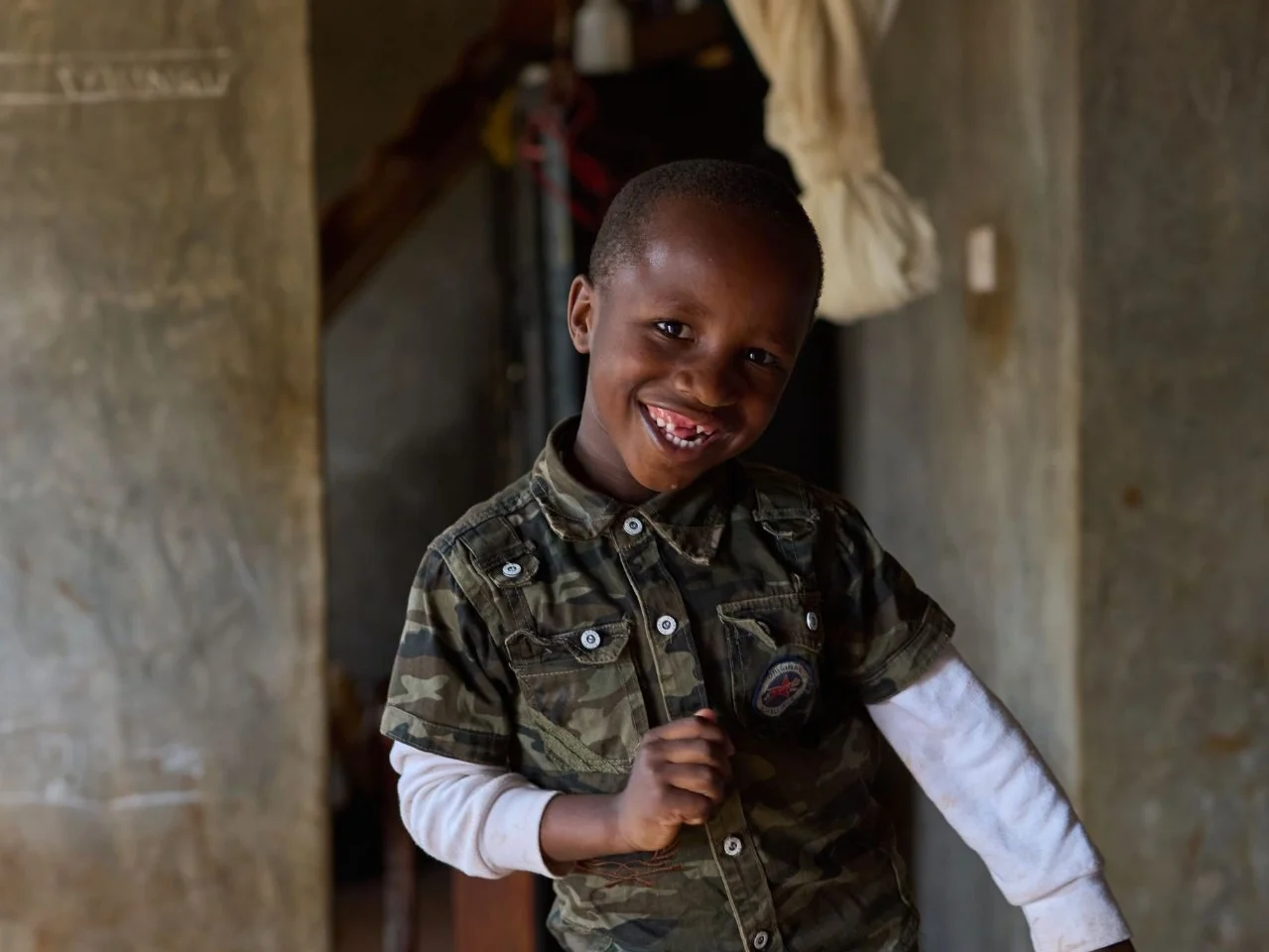
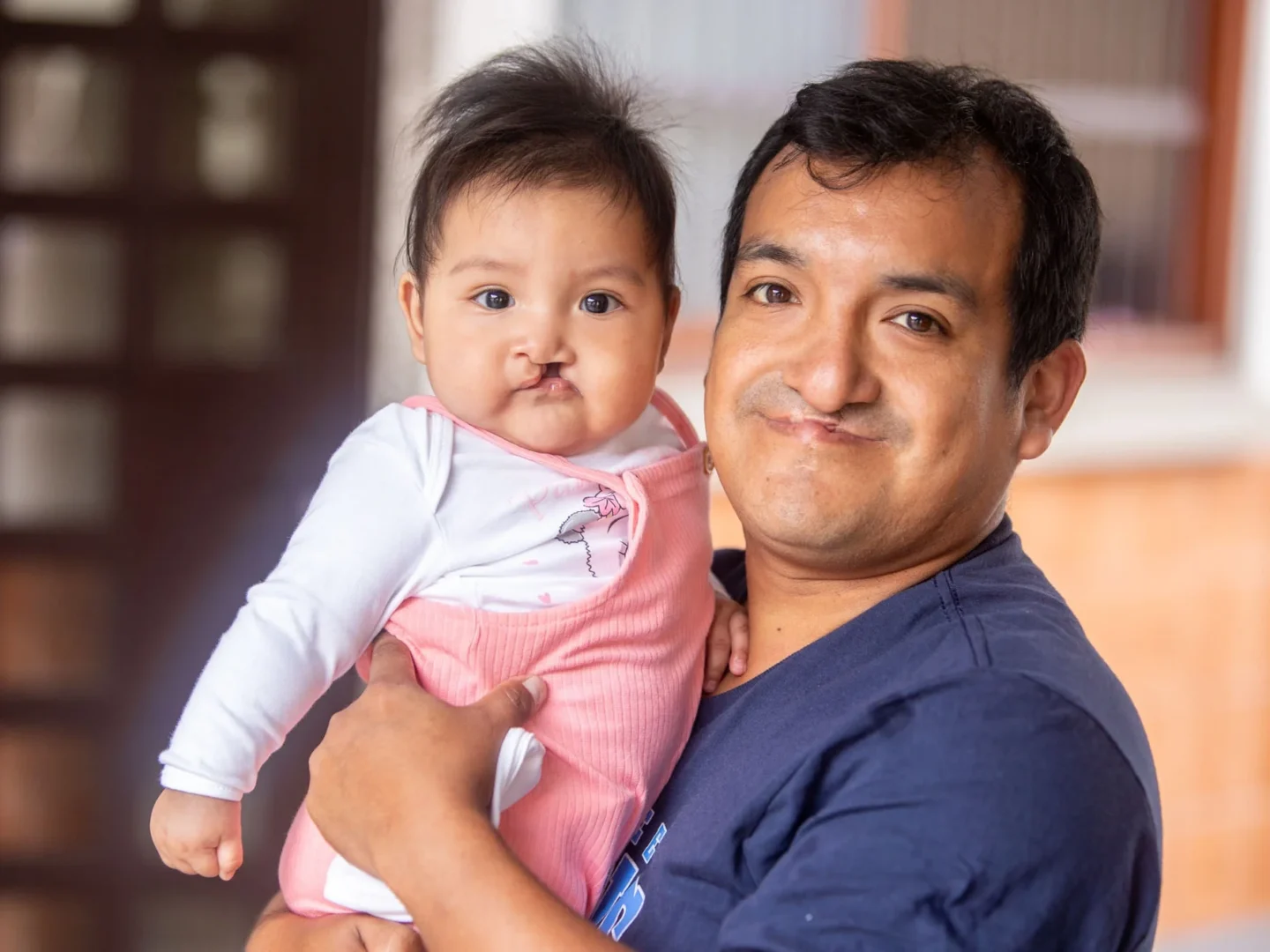
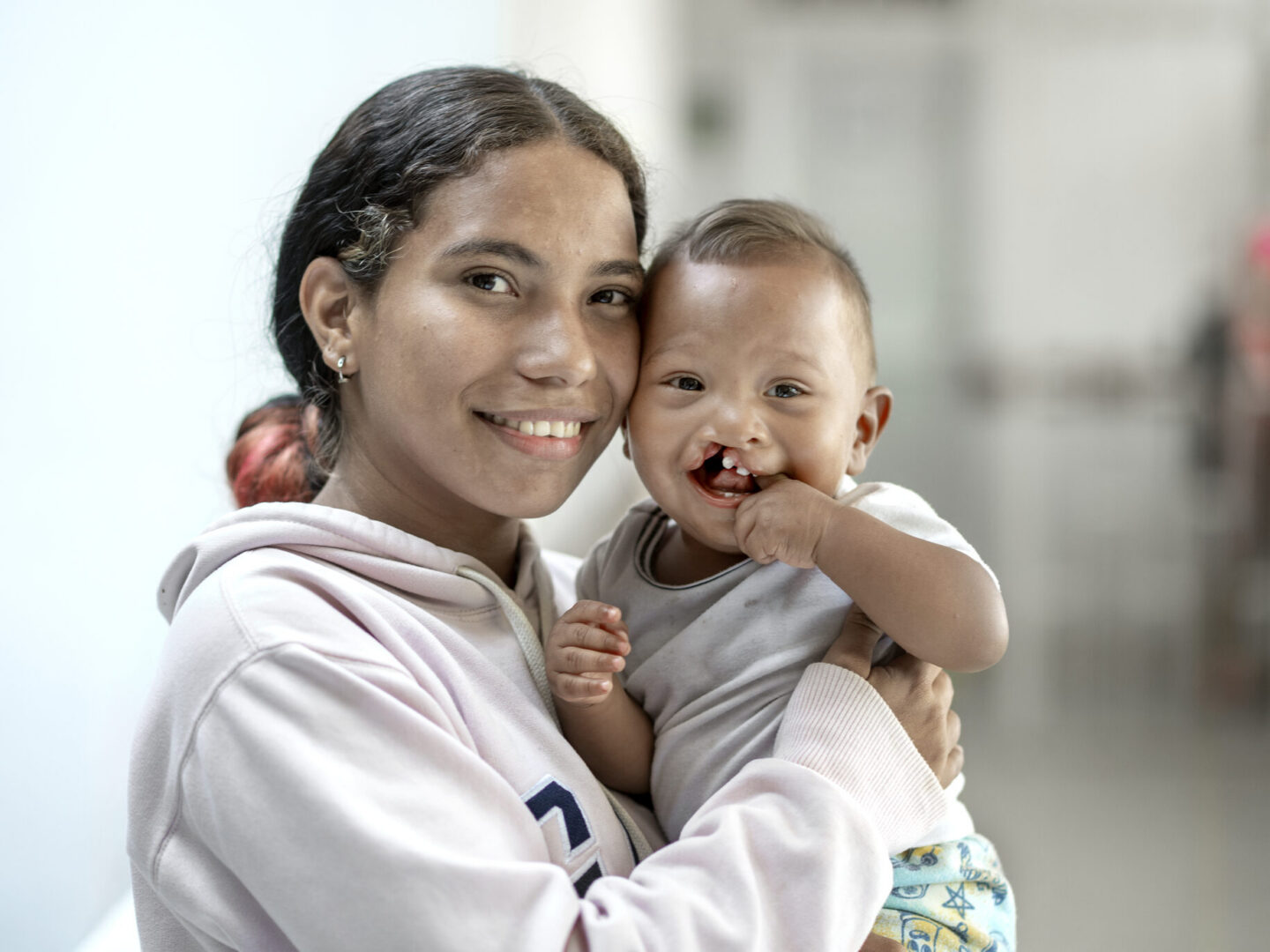
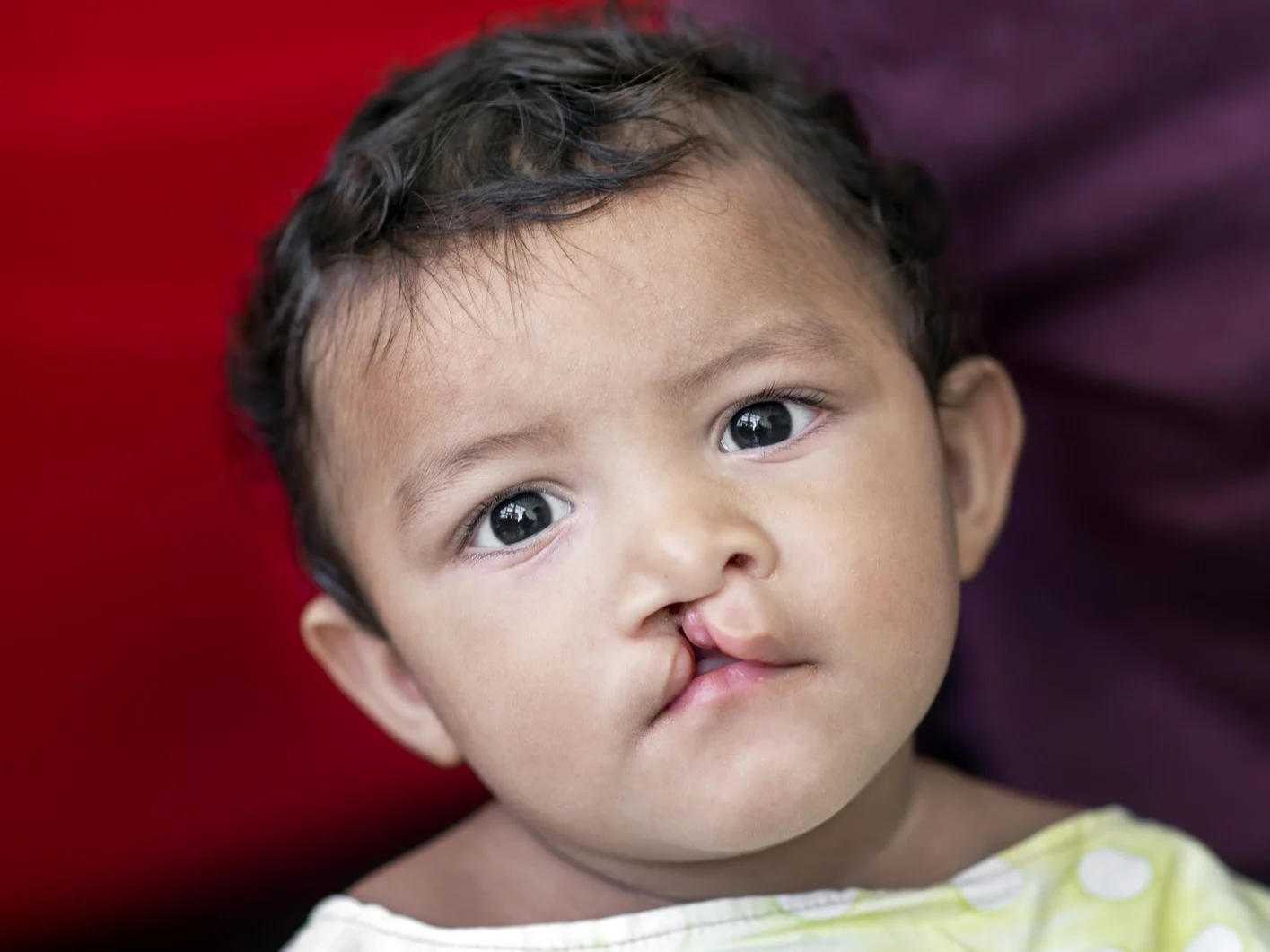
A cleft is a gap in the mouth that didn’t close during the early stages of pregnancy. Cleft lip and palate are believed to be one of the most common craniofacial differences worldwide. Without intervention, affected children battle a lifetime of difficulties with eating, breathing, speaking and mental health.

How often do cleft conditions occur?

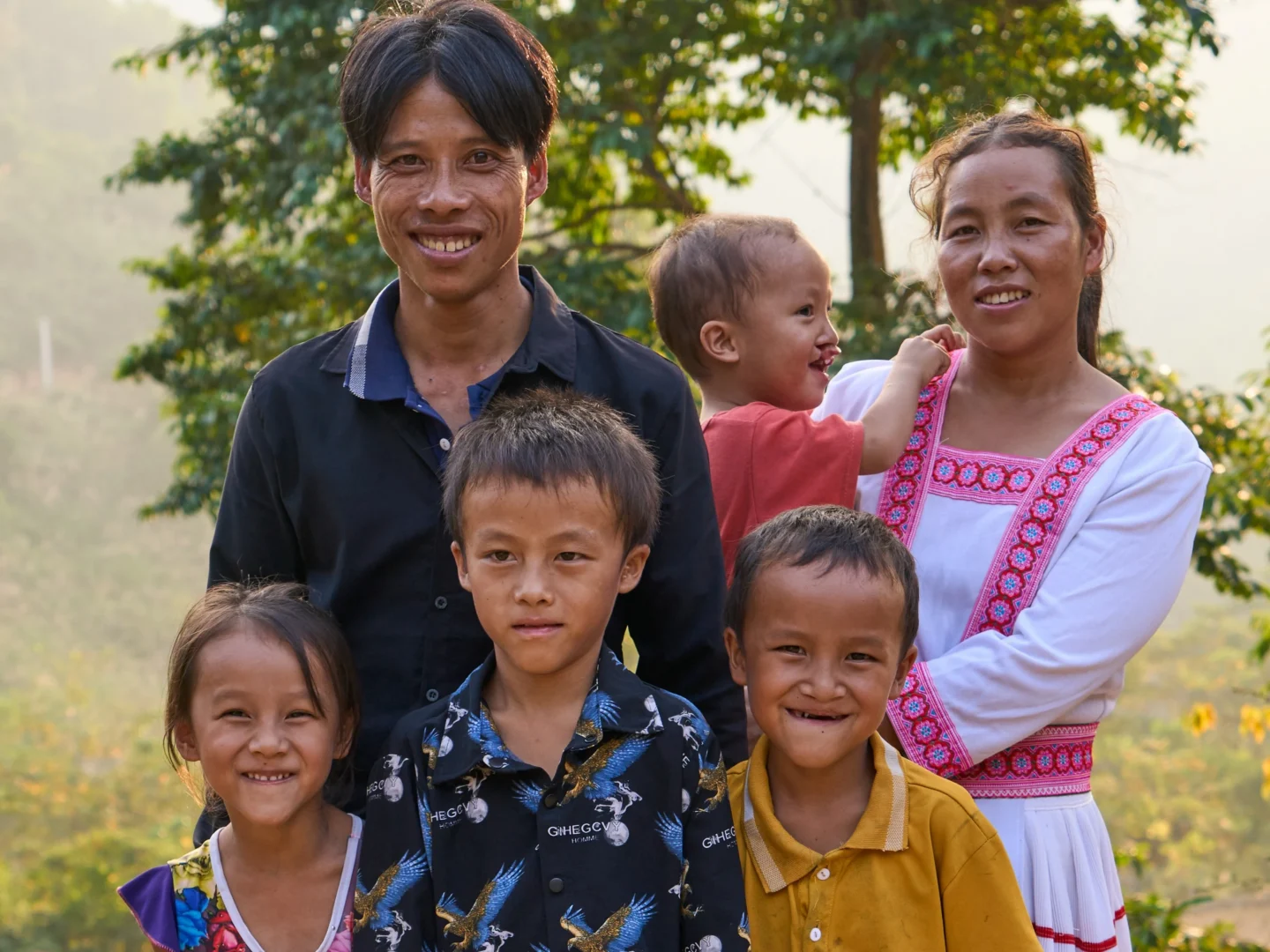
Every three minutes, a child is born with a cleft condition somewhere in the world, which is about one of every 500 to 750 children.

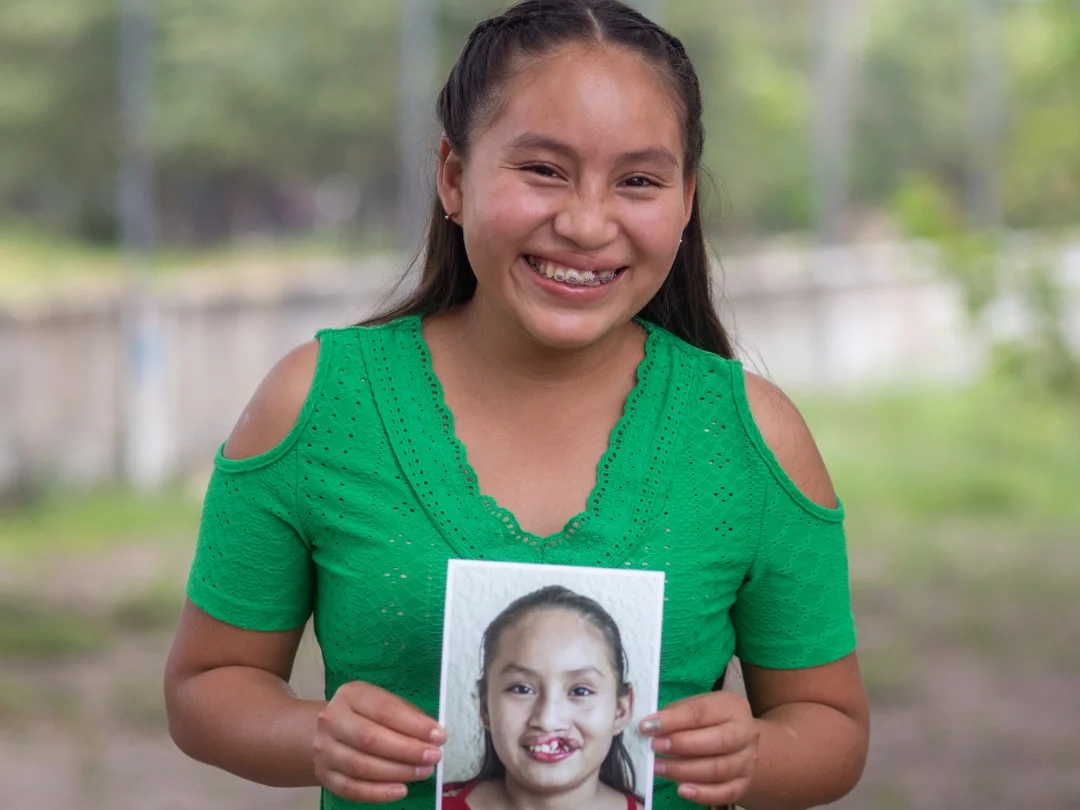
Patients smile for the camera in Madagascar.

What causes cleft conditions?

There are many risk factors that can increase the likelihood of this condition. While some causes are still unknown, genetics and family history, pre-existing medical conditions, poor nutrition and exposure to harmful environmental substances can affect the healthy development of a baby. We continue to research the potential causes of cleft conditions — through projects like the International Family Study — and publish findings to help the medical community understand factors that increase the risk of cleft conditions.

Are cleft conditions a new phenomenon?

No. There are documents cases in history. For example, King Tutankhamen, an Egyptian pharaoh, lived more than 3,000 years ago. He had a cleft palate, confirmed in the Journal of the American Medical Association. His family member also had a cleft palate.

Volunteer dentist Dr. Teresita Pannaci of Venezuela, left, observes as Janat is fed by her mom while testing out her new feeding plate.

What does a patient with a cleft condition experience?

Cleft conditions can cause significant health issues.

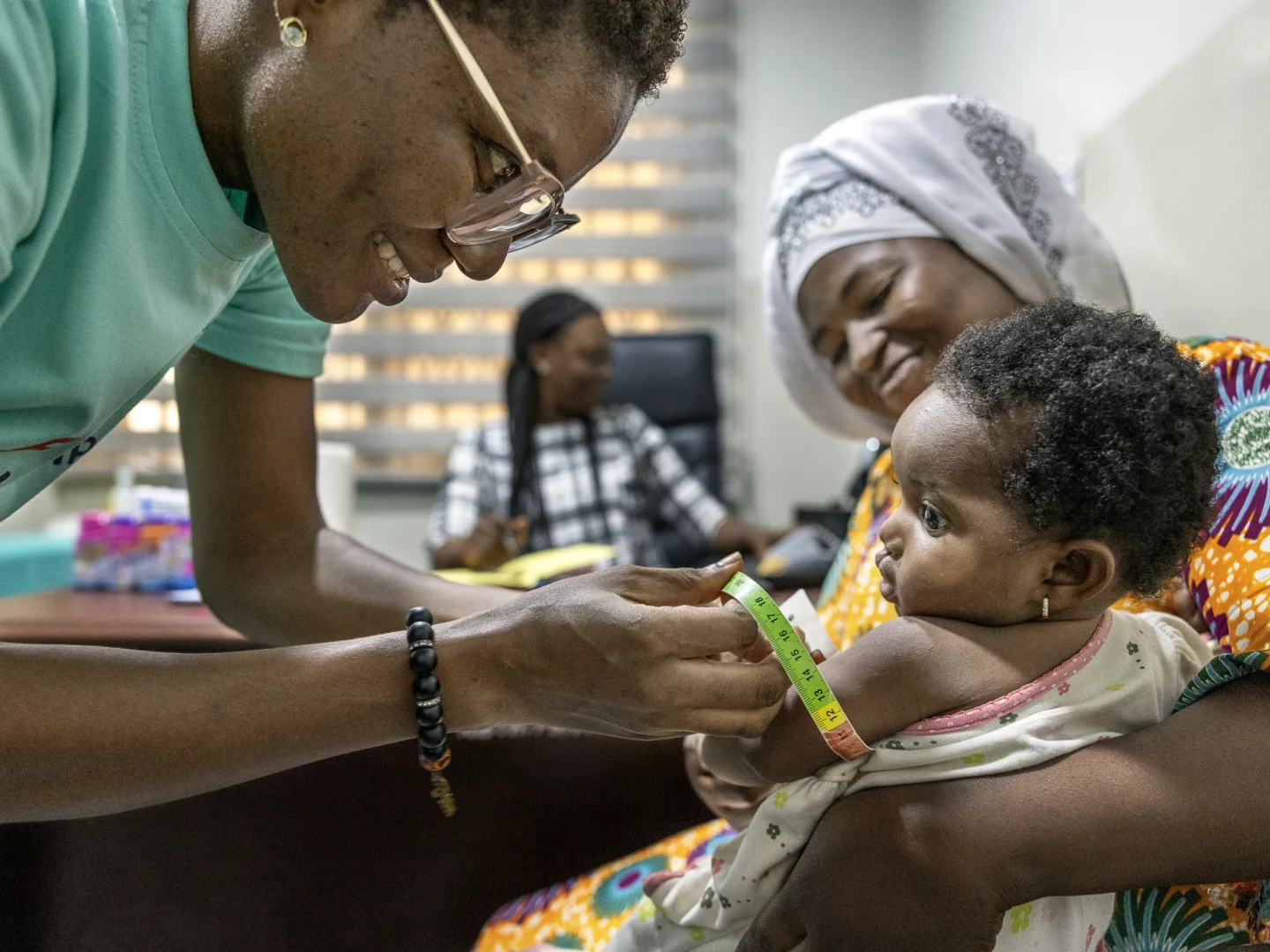
Cleft conditions can cause problems with nursing and feeding, resulting in infants experiencing severe forms of malnourishment. Some babies born with cleft conditions require special feeding plates or bottles to be able to eat and grow. As children age, cleft conditions can cause frequent infections, which can lead to hearing impairment. Patients with cleft conditions are at a heightened risk of oral disease. Cleft conditions can also interfere with speech development, making it hard for children to be understood and develop relationships with their peers.

Living with cleft conditions has been tied to lower values of self-worth and more fear of negative reactions to appearance. Children with cleft conditions are more likely to be bullied about their facial appearance. Unfortunately, this teasing can affect a child’s school attendance, and therefore their long-term future, as well as their long-lasting mental health. In fact, anxiety and depression are reported to be 100% more prevalent in adults living with cleft lip and cleft palate compared to the general population.

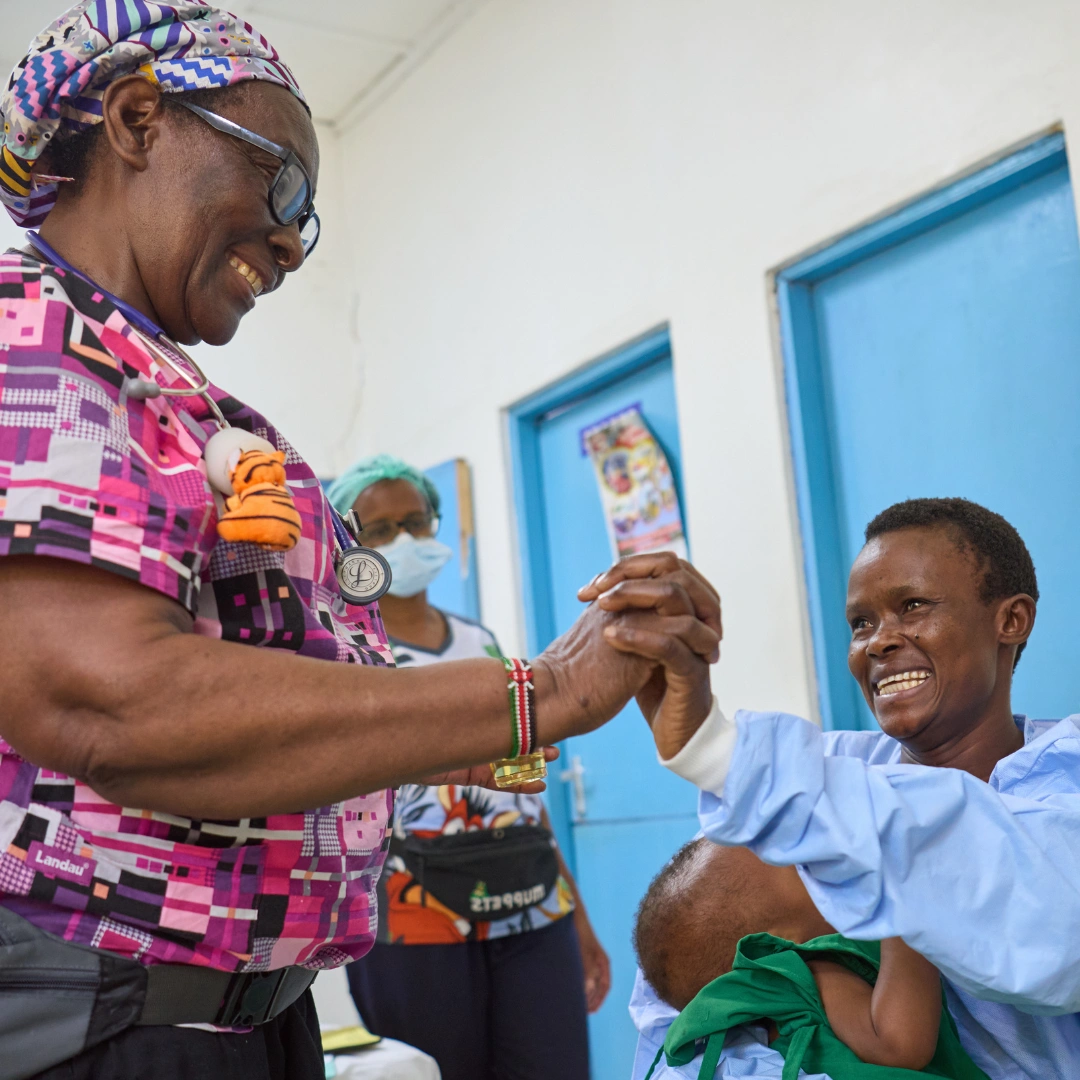
Surgeons at work in Rwanda.

How can cleft conditions be treated?

Children with cleft conditions frequently require a series of surgical procedures, along with a spectrum of supportive services such as dental care, orthodontic treatment, nutritional guidance, speech therapy and psychosocial support as they navigate their growth and development.

Is every cleft journey the same?

No. Every person born with a cleft condition has a unique experience and care journey. Some patients may need one surgery, while others may require multiple procedures and ongoing support throughout their childhood and into adulthood. The type and timing of care depends on the individual’s needs, including the type of cleft condition they have and how it affects their health and development.

Comprehensive cleft care goes beyond surgery. Patients may benefit from a range of specialized services, including nutritional support, speech therapy, dental and orthodontic care, and psychosocial support. For some patients, their relationship with their care team can span many years, from infancy through young adulthood and beyond, ensuring they receive the support they need at every stage of life.

What care do you offer patients where you work?

At Operation Smile, our dedicated teams comprise certified medical specialists who are committed to delivering the gold standard of care at every stage of this journey. We are unwavering in our commitment to providing as complete as possible care through an ecosystem that ensures every child’s journey is safe, supported and successful. Our holistic approach guarantees that each child receives comprehensive support before, during and after surgery. Through this multifaceted strategy, we strive to empower every child to achieve their fullest potential, fostering not only physical healing but also emotional and social flourishing.

Dr. Caroline Yao takes a photo of a patient during a surgical program in Vietnam.

How do you help people with cleft conditions where you don’t provide care?

Operation Smile is a critical thought leader in studying and treating cleft conditions.

Staff and volunteers are at the forefront of cleft research and collaboration. Operation Smile produces robust research and leads the world’s largest study on cleft conditions in low- and middle-income countries. Data, collected from mouth swabs and surveys, has been used to complete exome sequencing on data from Madagascar, to write a paper discussing agricultural chemical exposures, to research how cleft occurs during embryonic development and more.

Operation Smile is advancing cleft care through new approaches. Operation Smile, in partnership with Microsoft, is changing the way cleft surgery is done by leveraging advances in AI. We are taking innovative steps to transform care, not only in the countries we work in, but around the world.

In addition, Operation Smile helps to connect people born with cleft conditions through Cleft Connect Chat — a virtual community where young people with cleft conditions and parents of children with cleft conditions from around the world come together each month to share stories, ask questions and support one another.

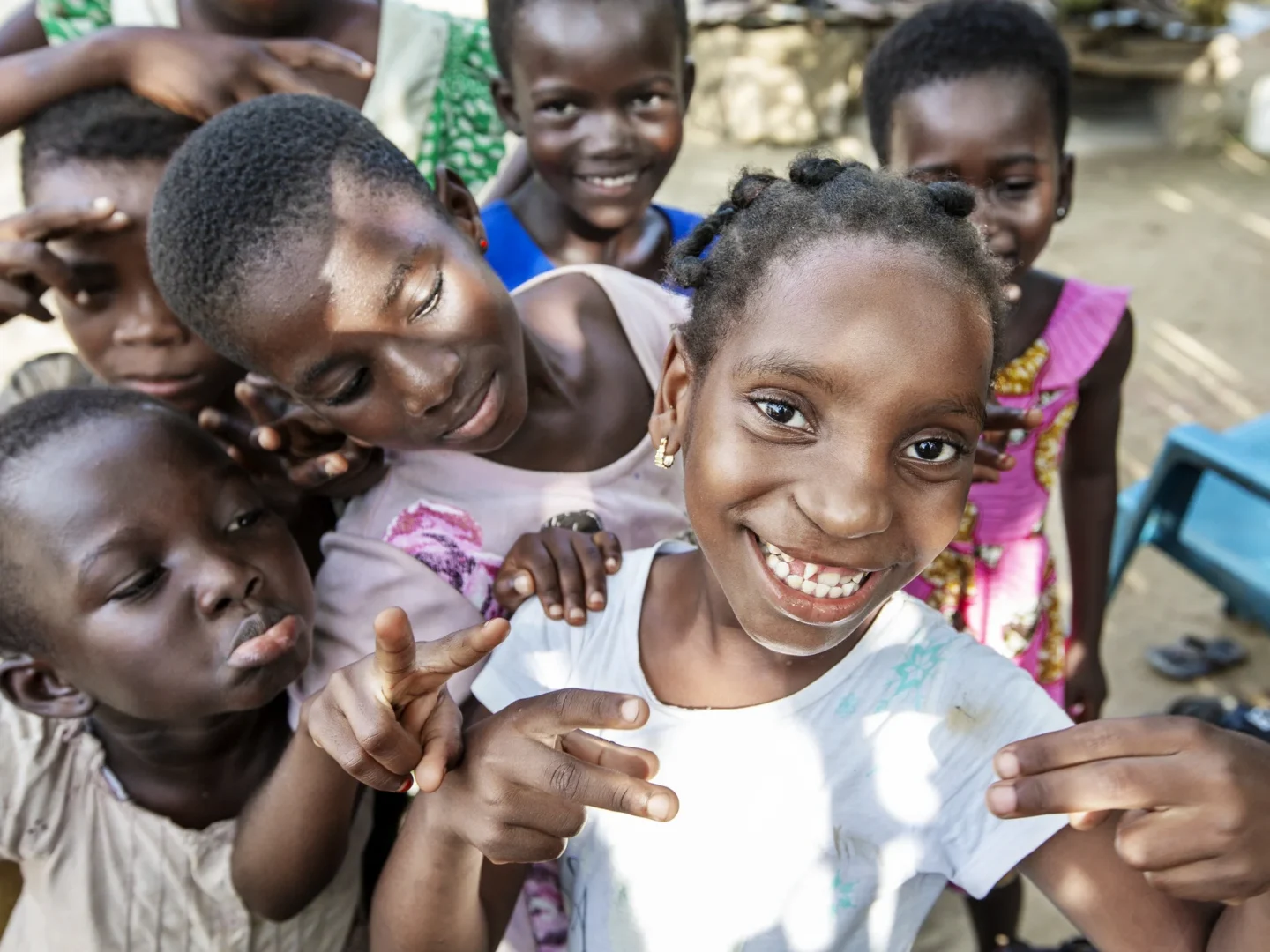
Shyam runs towards the camera with friends.

What is National Cleft and Craniofacial Awareness and Prevention Month?

Each year, July marks National Cleft and Craniofacial Awareness and Prevention Month, raising awareness about these conditions. During this month, many individuals and organizations share stories and advocate for better access to care.

At Operation Smile, every day is an opportunity to raise awareness, advance access to care and help transform lives. Through the dedication of our volunteers, staff, medical partners and supporters, we work alongside communities around the world to provide care that addresses not only surgery, but the lifelong health and well-being of every patient.

Make More Care Possible

Help bring care to patients with cleft conditions around the world.

More Global Stories

Get Involved

You can give a child the chance to grow up happy and healthy — free from stigma and isolation, and full of hope for the future.

More Ways to Get Involved

Make Your Gift

Your gift today will help transform lives and increase access to essential surgical care.

Loading