Mentorship in Action: Equipping the Next Generation of Global Health Leaders
Inspiring stories from our volunteers show how mentorship goes beyond passing down skills; it transforms lives, builds leaders and strengthens health care systems.
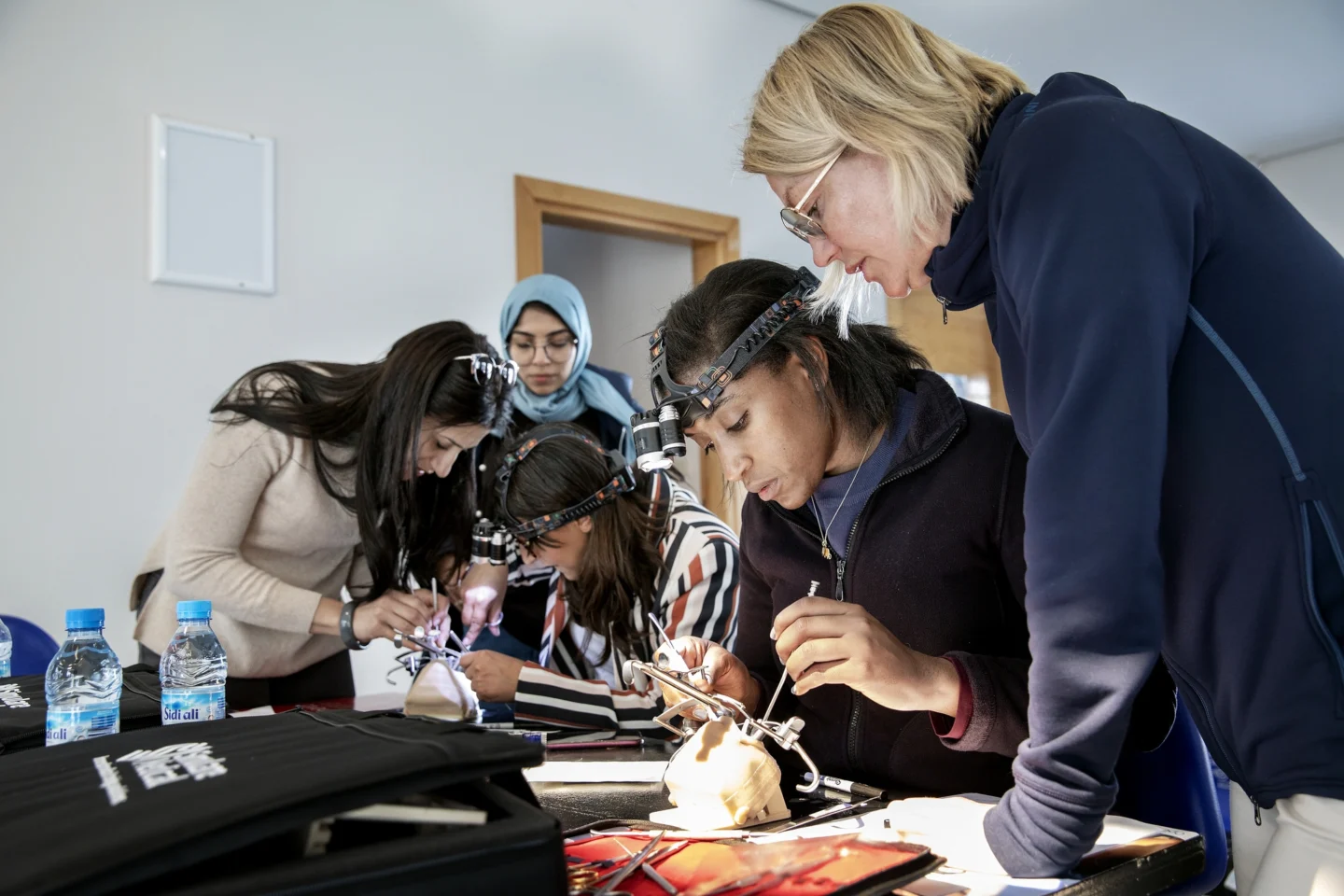
In many communities around the world, access to specialty medical training is limited. According to the World Health Organization, there is a global shortage of more than 18 million health workers, with the greatest gaps in low- and middle-income countries. Health workers want to care for their communities, but opportunities to learn and advance are often far from home. Access to training changes that.
At Operation Smile, education and mentorship are cornerstones of our work. By training and equipping local health workers, we expand access to safe care closer to home. Our international and local volunteers serve as educators and mentors, sharing their expertise and dedication to make learning hands-on, collaborative and impactful. Through these partnerships, we see how mentorship takes many forms, how learning is always bi-directional and how equipping local leaders with the right tools can create a lasting impact for both health workers and the communities they serve.
Learning Side by Side in Guatemala
In a country without formal plastic surgery training, most aspiring surgeons must travel abroad to gain advanced skills. That distance can put training out of reach for many talented local health workers. Through Operation Smile, hands-on training and mentorship opportunities help surgeons like Ivania Santos, D.D.S., stay and serve locally.
“For us Guatemalans it is very important to have people committed to training us,” Santos says.
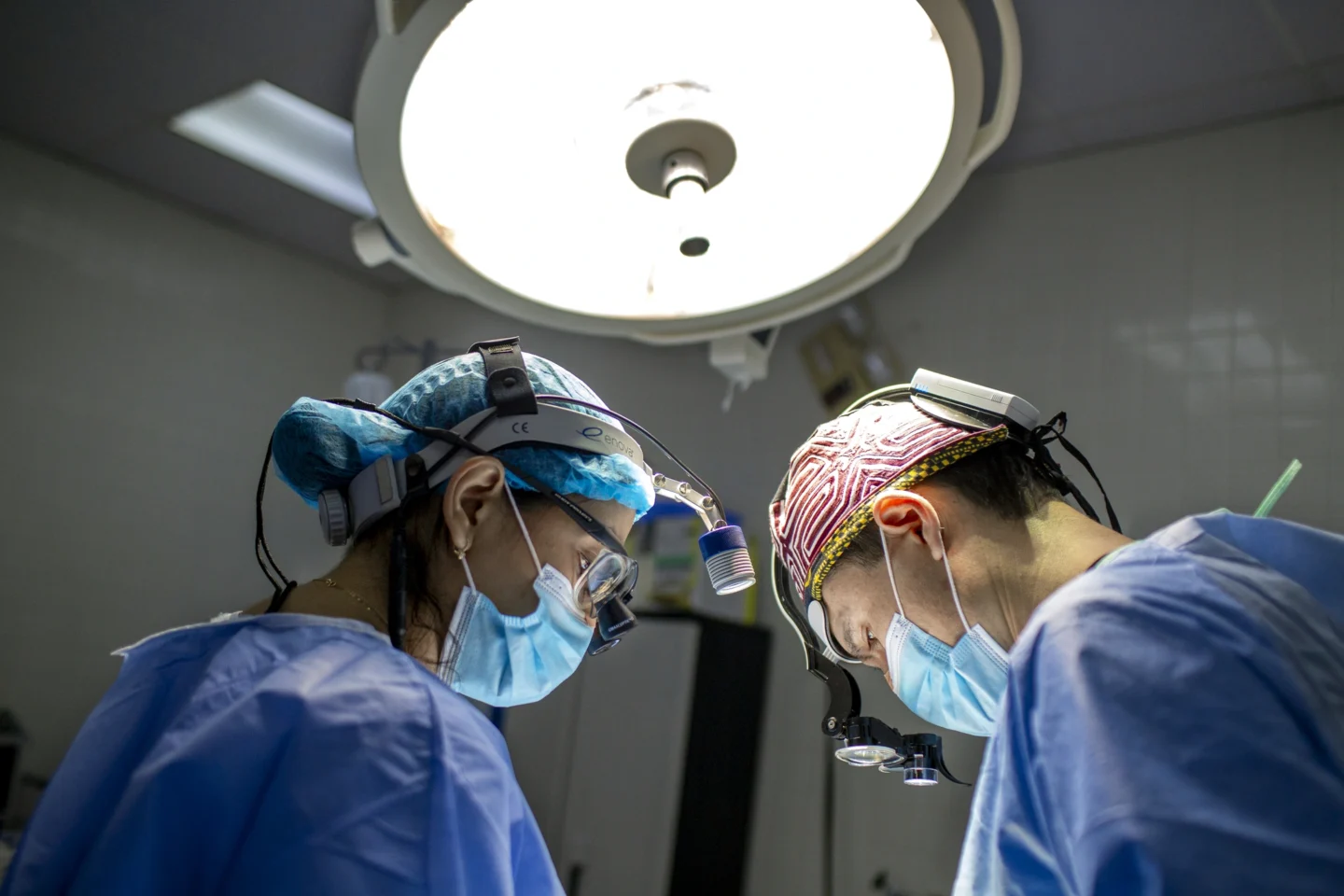
During a complex cleft case, her mentor, Valeri Paredes, D.D.S., a maxillofacial surgeon from Ecuador and medical volunteer with Operation Smile, works side by side with her, pausing to explain technique, consult images and exchange knowledge. Their relationship is two-way: mentor and mentee learn from each other.
Through these mentorships, education becomes more than skill building; it becomes a path toward sustainable surgical care that remains in the community.
Creating Opportunities through Representation
Mentorship is also about representation, about seeing what’s possible and building capacity where it’s needed most.
In Rwanda, the need for safe surgery has been urgent. For years, only two plastic surgeons served the entire country. Today, thanks to a partnership between Operation Smile, the University of Rwanda, the College of Surgeons of East, Central and Southern Africa (COSECSA), the Ministry of Health and local hospitals, the number of trained plastic surgeons is growing. There are now six certified plastic surgeons, with more in training.
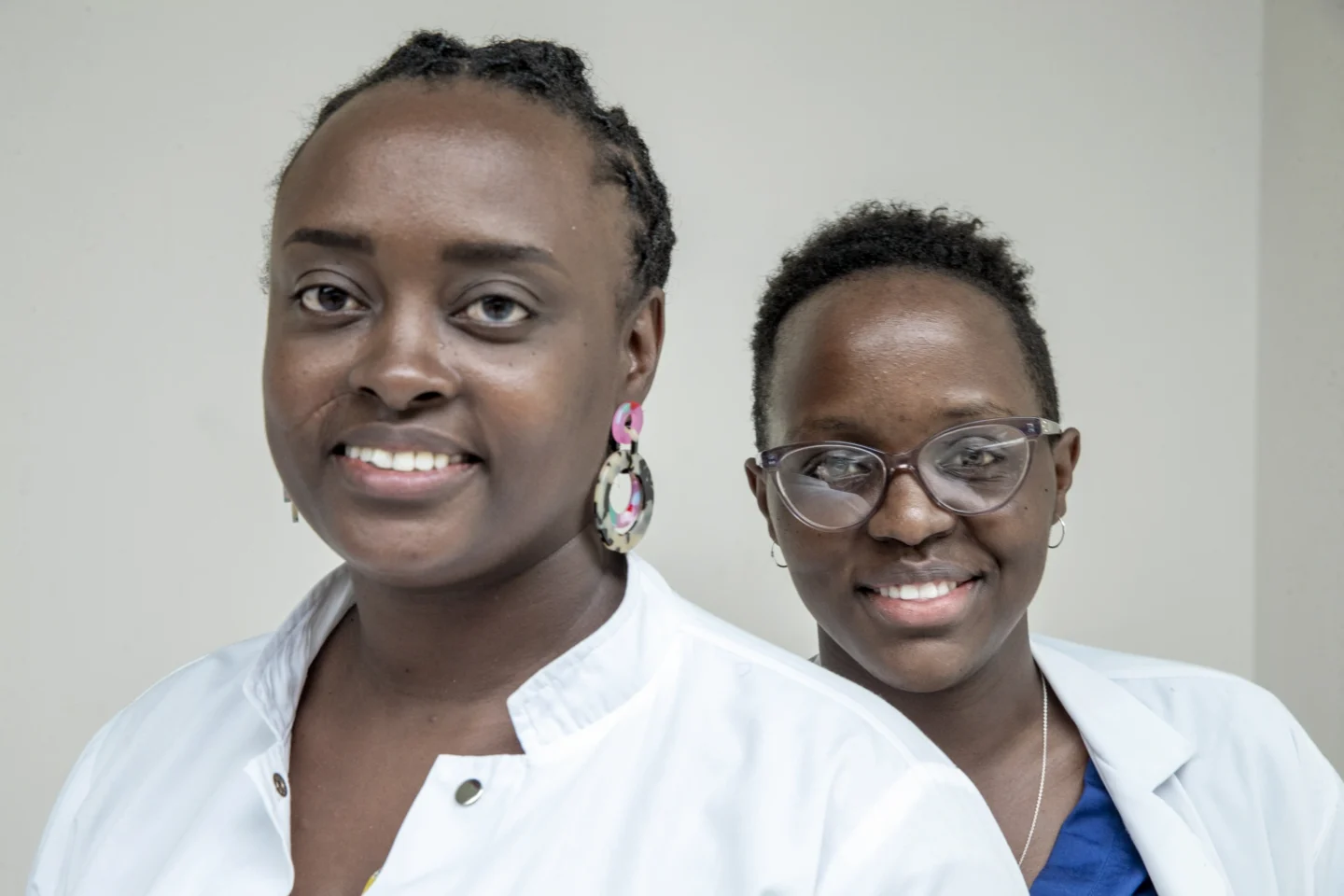
Among those trainees is Victoire Mukamitari, M.D., who works at the University Teaching Hospital of Rwanda (CHUK) in Kigali. She is training to become a plastic surgeon and is mentored by Françoise Mukagaju, M.D., Rwanda’s first female certified plastic surgeon.
“I was inspired to see another woman in this role,” Mukamitari says. “Surgery has always been my passion. I joined because it provides advancing standards of practice and research in surgical care, which I believe is what I need as a plastic surgeon in the making,” she adds.

Alongside Victoire is Fidel Simba, M.D., is a fifth-year surgical resident at Ruhengeri Referral Hospital. “We are 13 million being served by just five plastic surgeons,” Simba says. “There are so many patients out there who are not getting the right care. You can imagine the gap. Going through this training and working with so many different surgeons is a privilege.”
Under the supervision of experienced mentors like Charles Furaha, M.D., Col. (Rtd.), Simba reviews cases together to ensure surgical plans are solid.
“I don’t want them to be like me; I want them to be much better than me. I will keep mentoring and pushing them and telling them that they can do it,” Furaha explains.
For both Mukamitari and Simba, mentorship builds technical skills, confidence and leadership. Across Rwanda, trainees gain the ability to provide high-quality care locally, expanding access to essential surgical services and strengthening the country’s health system.
Beyond the Operating Room: Advocacy and Global Health
Education doesn’t stop at clinical training. Lasting access to care also depends on strong policies, systems and local voices shaping decisions.
That’s why Operation Smile created the Global Surgery Advocacy Fellowship (GSAF). Through mentorship, the fellowship equips health professionals in low- and middle-income countries to advocate for stronger, more equitable health systems. Fellows connect their clinical experience to policy, research and advocacy, ensuring that the people closest to the challenges lead the solutions.
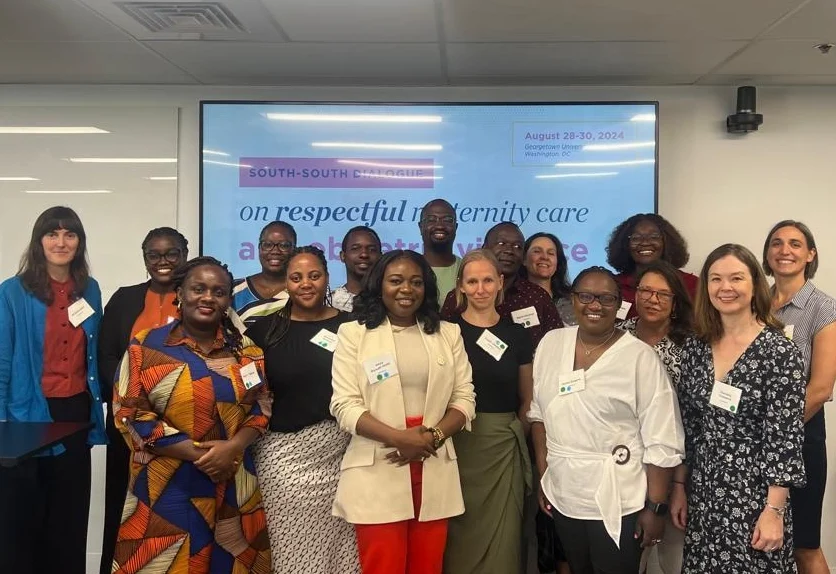
“My mentor helped me see that my lived experience as a clinician and educator from Rwanda was not a limitation but a critical asset,” says Simon Pierre Bigirimana, M.D., a GSAF fellow.
“I was particularly interested in being paired with a mentor who could help me structure my advocacy work, connect local experiences in Rwanda to global platforms and guide me in navigating spaces such as academic advocacy, policy dialogue and global convenings,” he adds.
“The Global Surgery Advocacy Fellowship equips frontline surgical leaders with the policy tools to drive change, build partnerships and strengthen in-country leadership,” says Denis Foretia, M.D., M.P.H., M.B.A., F.A.C.S., executive chair of the Nkafu Policy Institute.
Education That Multiplies Impact
Across countries and disciplines, these stories share a common truth: mentorship multiplies the impact of education. It strengthens skills, cultivates leadership and builds local systems of care that last.
By investing in mentorship, Operation Smile ensures that safe, equitable care reaches communities closer to home, today and for generations to come.
Make Mentorship Possible
Your gift to Operation Smile helps make training and education possible, enabling health care leaders to connect with the next generation of providers.
Recent Stories
-
-
-
-
We Build Hope
-
Thought Leadership
Answering Why: Operation Smile’s Ongoing Study into Cleft Risk Factors
-
-
Care Providers
5 Ways Volunteers Drive Sustainable Development and Impact
-
We Build Hope
Patients
A Teenager Finds Her Confidence
-
We Build Hope
Thought Leadership
Nine Inspiring Moments That Made Us Smile in 2025
-
We Build Hope
Patients
Proof of Care That Began on Day One
-
We Build Hope

Thought Leadership
The Power of Storytelling to Build Hope and Expand Access
-
We Build Hope
