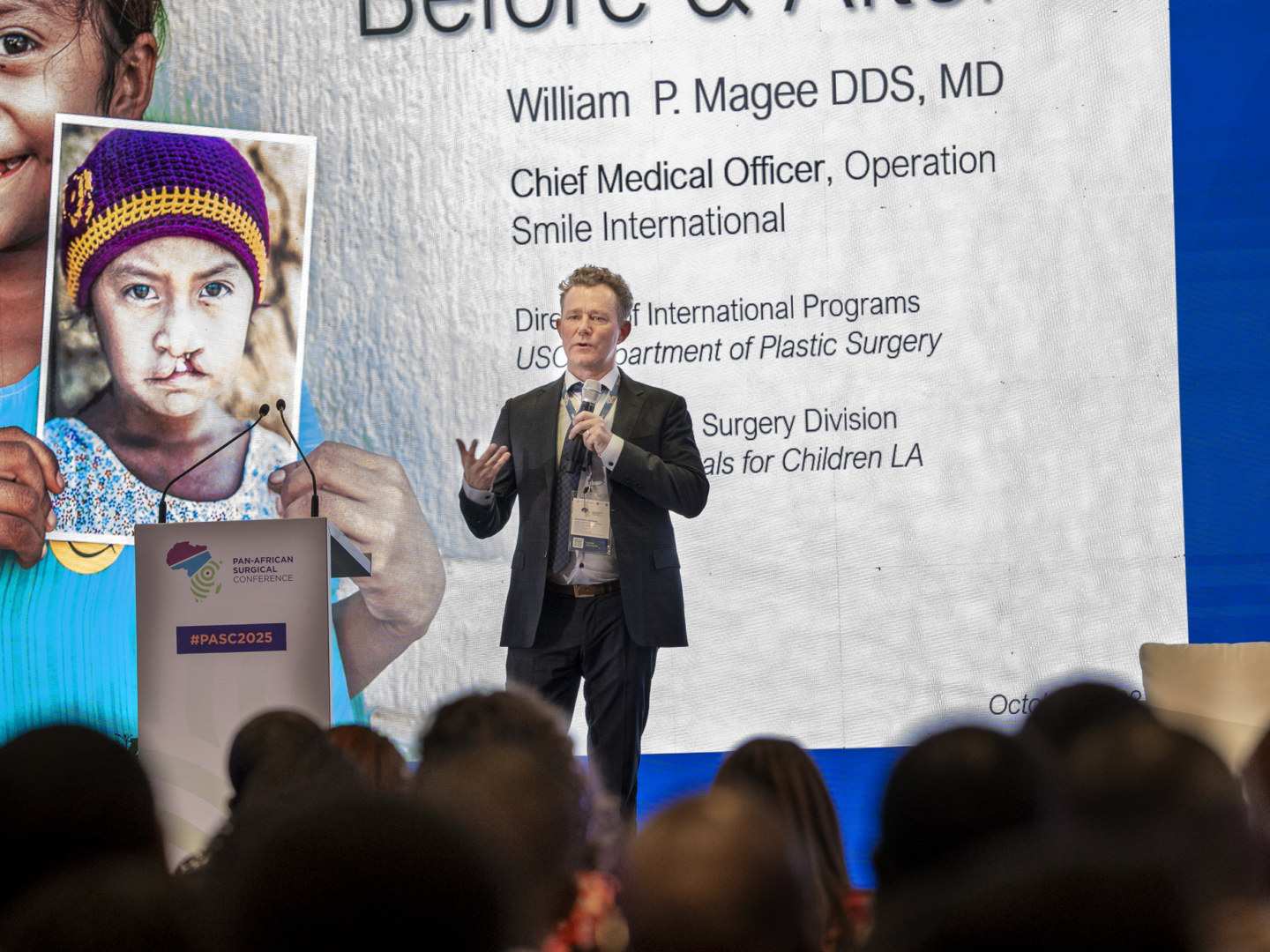
Thought Leadership
Answering Why: Operation Smile’s Ongoing Study into Cleft Risk Factors
Many parents of children with cleft conditions want to know why this happened to their child. The International Family Study seeks to answer that and so much more.
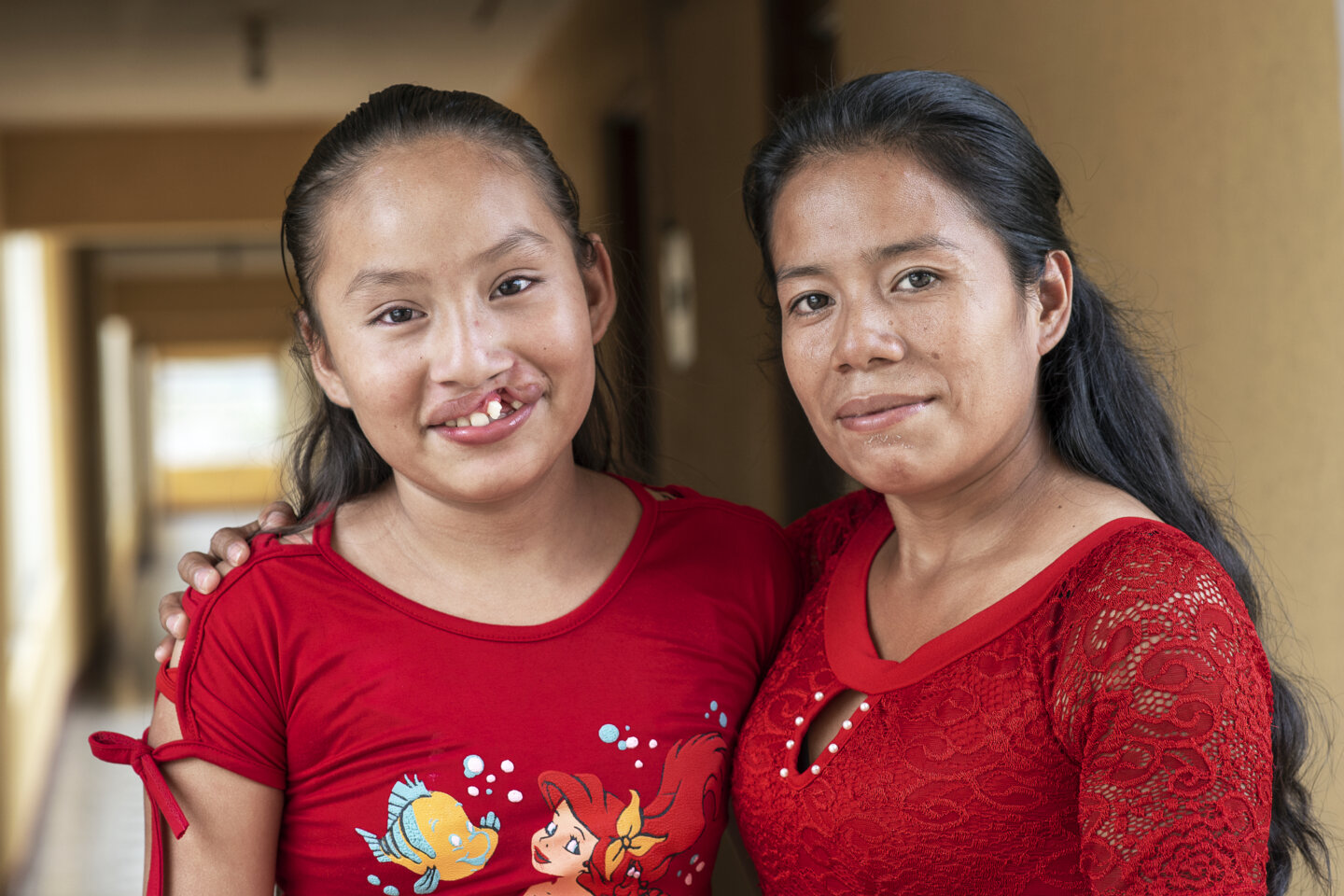
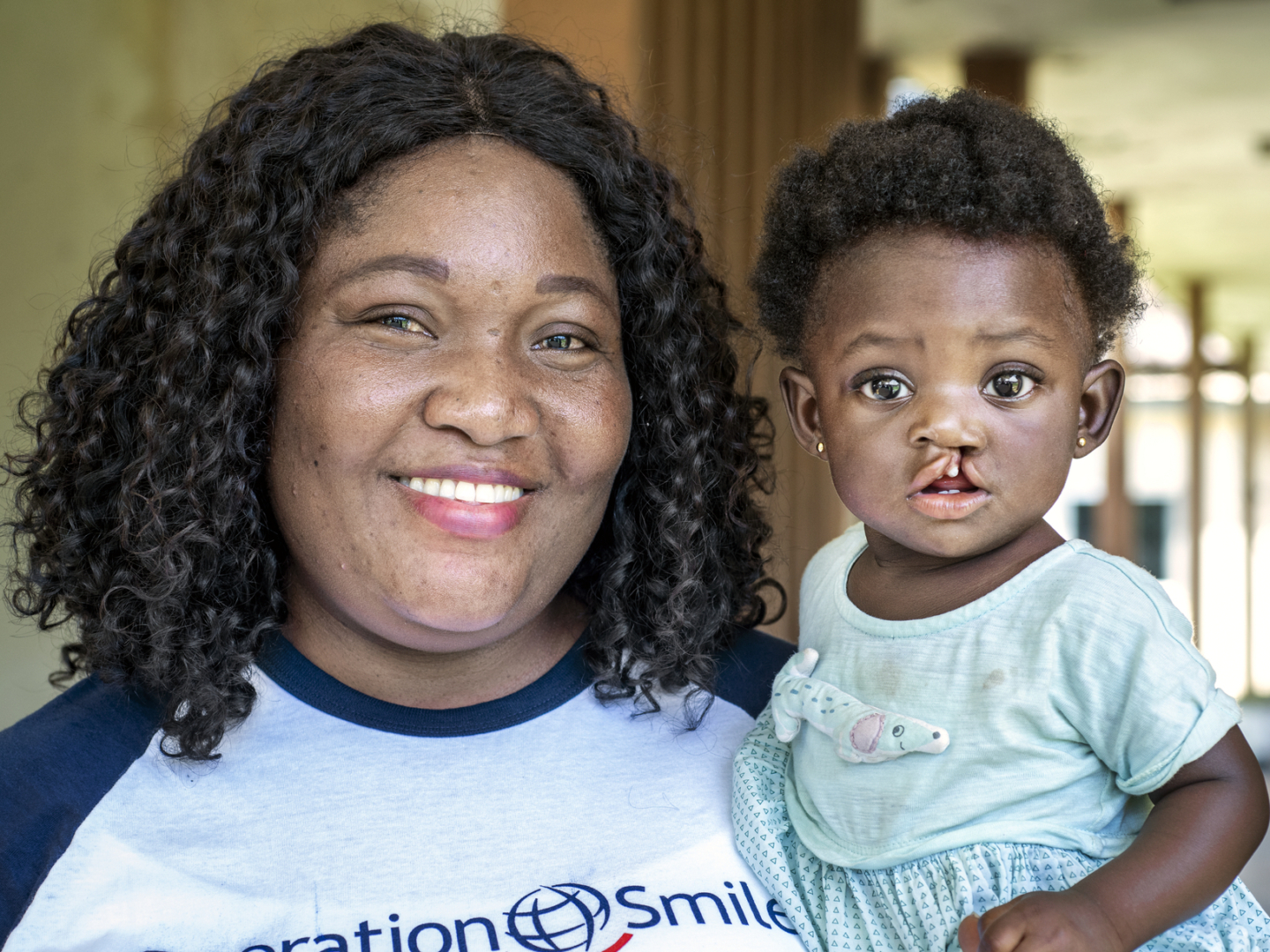
For 11 years, Dayana’s mom, Eluvia, didn’t have answers to her daughter’s questions. Born with a cleft condition in rural Petén, Guatemala, Dayana would often ask her mother, “When am I going to get the surgery?” She also asked something even harder: Why was I born with a cleft condition?
A scheduled surgery through Operation Smile Guatemala answered the first question. Dayana’s second was more complicated. It’s a question that health care providers have heard at Operation Smile programs since we began providing care in 1982: What caused this to happen to my child?
While surgery can give children like Dayana a new smile and change their lives, Operation Smile’s research is about answering the questions surgery alone cannot: Why do cleft conditions happen? How can they be prevented? And how can we make care safer and more effective for families around the world? Through research, Operation Smile works to ensure fewer children need surgery in the future.
Cleft conditions occur within the first nine weeks of pregnancy. Historically, research into the causes of cleft conditions has focused largely on high-income countries. While extremely important, this research doesn’t always reflect the lived realities of the families Operation Smile serves.
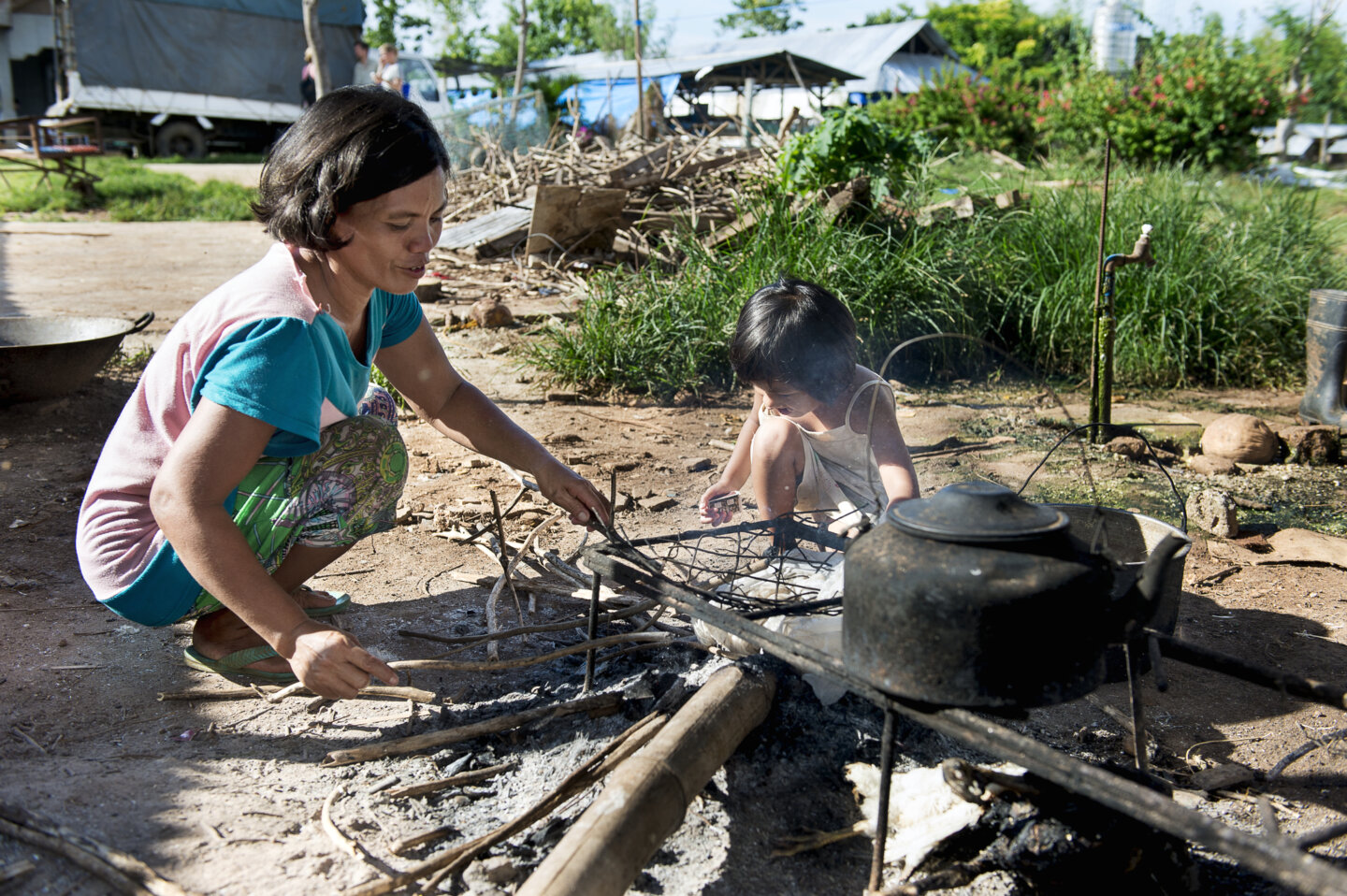
For example, smoking cigarettes is a well-documented risk factor for cleft conditions. But many families in low- and middle-income countries cannot afford cigarettes. Instead, they may face other risks tied to daily life, such as indoor cooking smoke, air pollution or limited access to nutrition. Understanding those differences matters.
Everyone wants to know why, why did this happen to my child. That’s what we’re trying to answer with [the International Family Study].
— Gretchen Schulz, Project Manager of the International Family Study
8,000 Families and Counting
“Operation Smile sees more patients with cleft conditions globally than any research institution or individual hospital ever will,” notes Allyn Auslander Decoteau, Ph.D., MPH, associate vice president of research at Operation Smile. “If we don’t help to tackle this question, it is unlikely high-income institutions alone will ever fully understand what causes cleft to develop.”
Through research collaboration between Operation Smile and our partners at the University of Southern California and Children’s Hospital of Los Angeles (CHLA), the International Family Study, which began in 2011, brings together care and science at an impactful scale. IFS analyzes genetic data obtained from saliva samples voluntarily provided by patients, their families and control groups, as well as information collected from maternal and paternal questionnaires. By analyzing simple saliva samples and learning about families’ environments and daily lives, researchers can begin to identify patterns that help explain why cleft conditions occur.
“Without innovative partnerships like this — between an NGO that sees thousands of patients with cleft conditions each year and a world class research institution — work at this scale would be impossible. It is through working together that we have a chance at answering this most important question,” Decoteau adds.
With the informed consent of parents, staff and local medical volunteers, we not only collect samples during Operation Smile surgical programs but also visit maternity wards to collect survey responses and samples from volunteer mothers and their newborns. Importantly, much of this research happens alongside Operation Smile surgical programs, transforming moments of care into opportunities to help future generations.
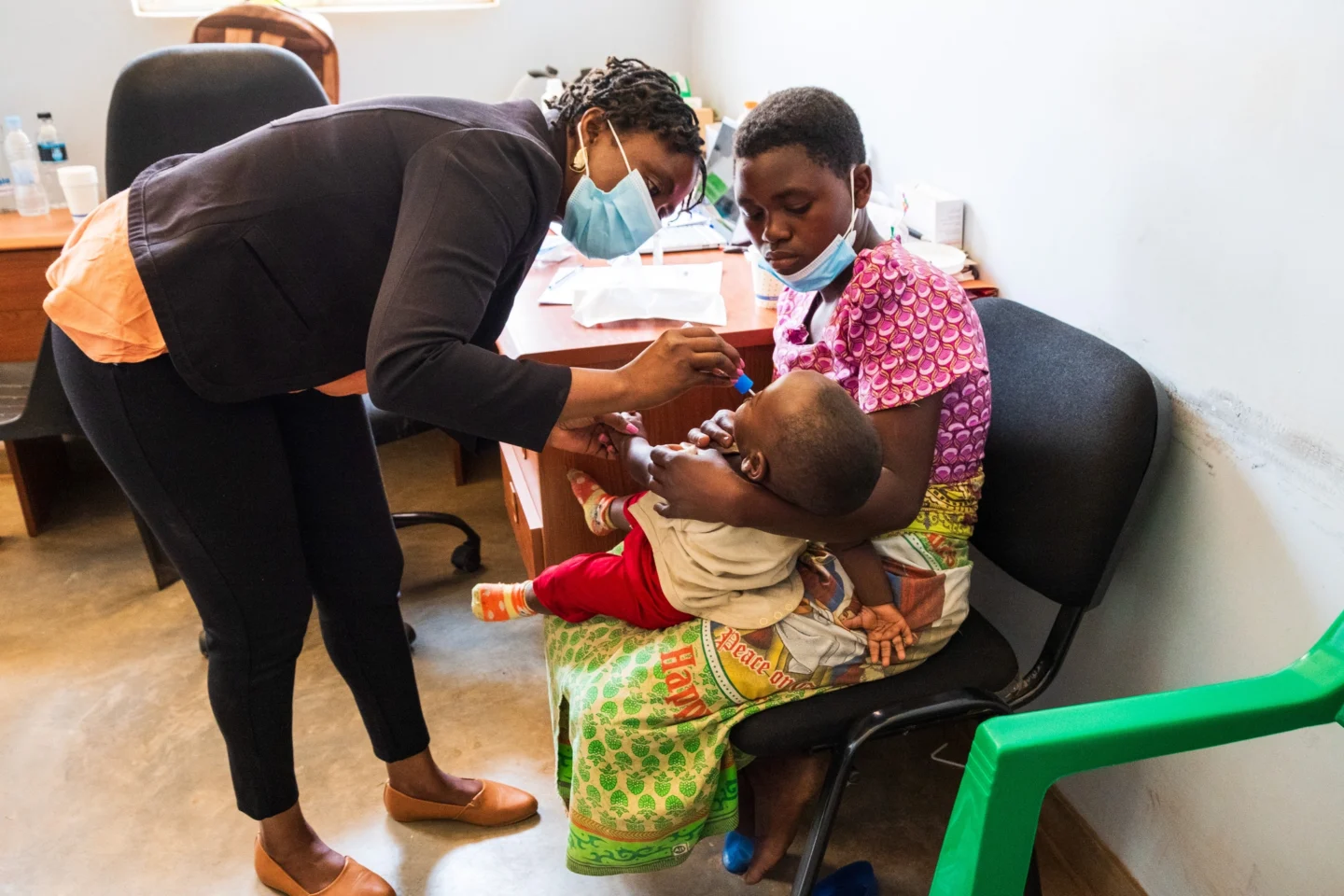
“We’re collecting data that normally people don’t collect,” Schulz shares, “creating a database that is more representative of the global population.”
The study has been conducted in nine different countries – the Democratic Republic of the Congo, Guatemala, Honduras, Madagascar, Malawi, Morocco, Nicaragua, the Philippines and Vietnam – representing low- and middle-income communities of those populations and includes more than 8,000 families.
This is the largest cleft study in low- and middle-income countries being done.
— Gretchen Schulz, Project Manager of the International Family Study
Partnerships Make It Possible
Once the Operation Smile team collects saliva samples, they are sent to our partners. The Children’s Hospital of Los Angeles stores and extracts DNA from the sample, and the University of Southern California provides lab space and does genetic analysis.
Research teams then use this analysis. Operation Smile’s Global Surgery Fellows utilize it, as do educational institutions and researchers across the U.S. and in other countries. The data has been used to complete exome sequencing on data from Madagascar, to write a paper discussing agricultural chemical exposures, to research how cleft occurs during embryonic development and more.
“All research, all of our publications, are open access,” Schulz shares. “We want to provide this data, especially in areas where this knowledge is difficult to come by.”
From Research to Real Life
Even as the analysis is ongoing, the team has begun to highlight trends that may help families in low- and middle-income countries.
“We are trying to understand everything we possibly can in terms of risk,” Schulz says. “For example, cook smoke increases the risk of having a child with cleft up to 50% in these countries.”
An additional analysis shows that some risk factors are found outside of the home. For example, in a 2023 study, research from South Africa has shown that exposure to air pollution while in utero can increase the risk of a cleft condition.
Research suggests that genetics and family history, pre-existing medical conditions, poor nutrition and exposure to harmful environmental substances can affect the healthy development of a baby. Through the International Family Study, Operation Smile hopes to build deeper understanding and highlight possible avenues for solutions.
“I believe one day, we will be able to prevent a portion of clefts from ever developing,” Decoteau shares. “Through IFS, we will make sure that our patients’ communities are not left behind.”
Support Research
Your gift helps answer the questions parents like Eluvia ask, making research possible to provide insight into the causes of cleft conditions that can change the future.
More Thought Leadership Stories
-
-
We Build Hope

-
-
We Build Hope
Thought Leadership
Nine Inspiring Moments That Made Us Smile in 2025
-
We Build Hope

Thought Leadership
The Power of Storytelling to Build Hope and Expand Access
-
We Build Hope
-
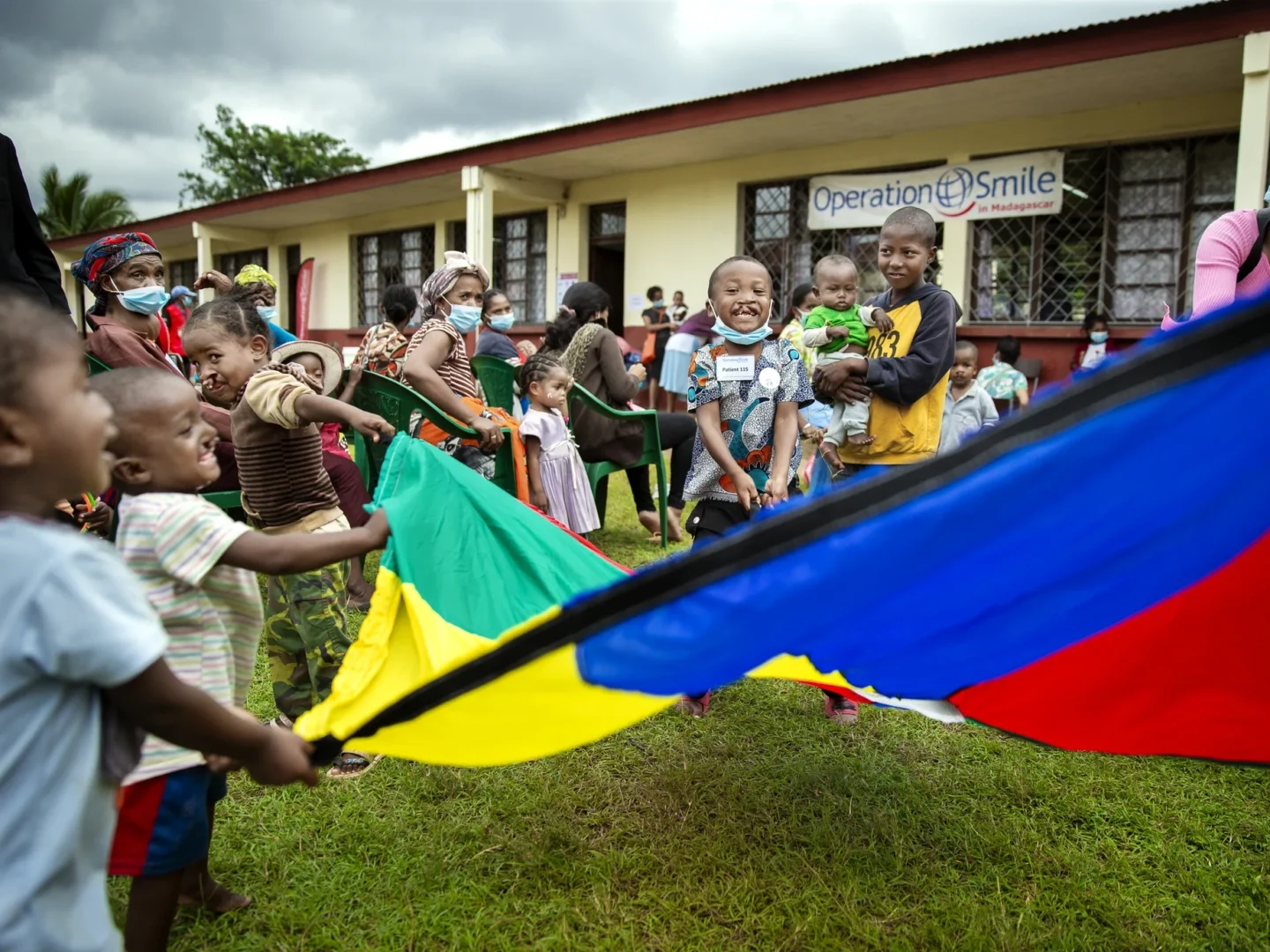
Thought Leadership
Taking the Lead: Four Changemakers in Africa
-
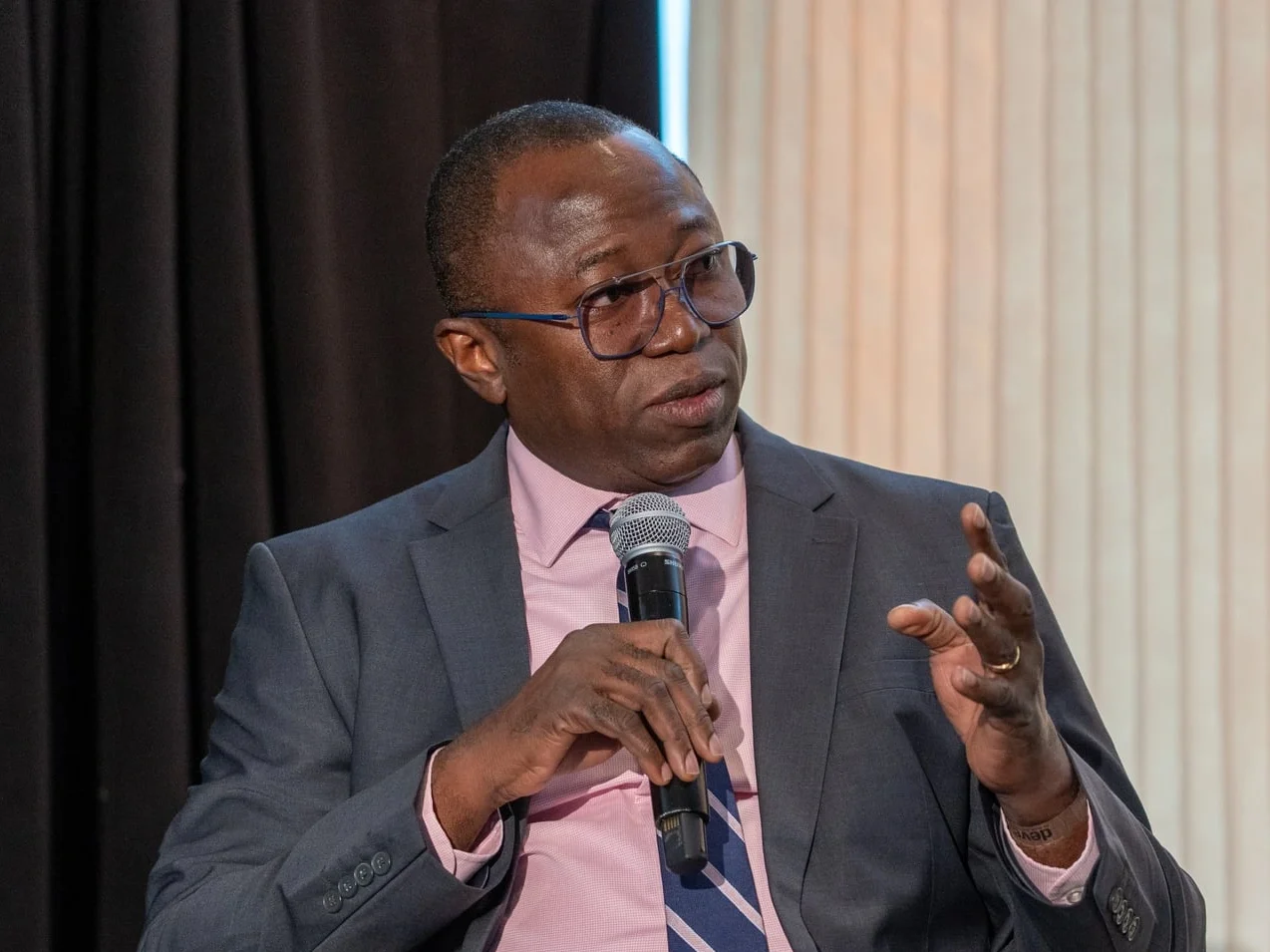
Thought Leadership
Key Takeaways from UNGA 80 That Can Transform Access to Care
-
We Build Hope
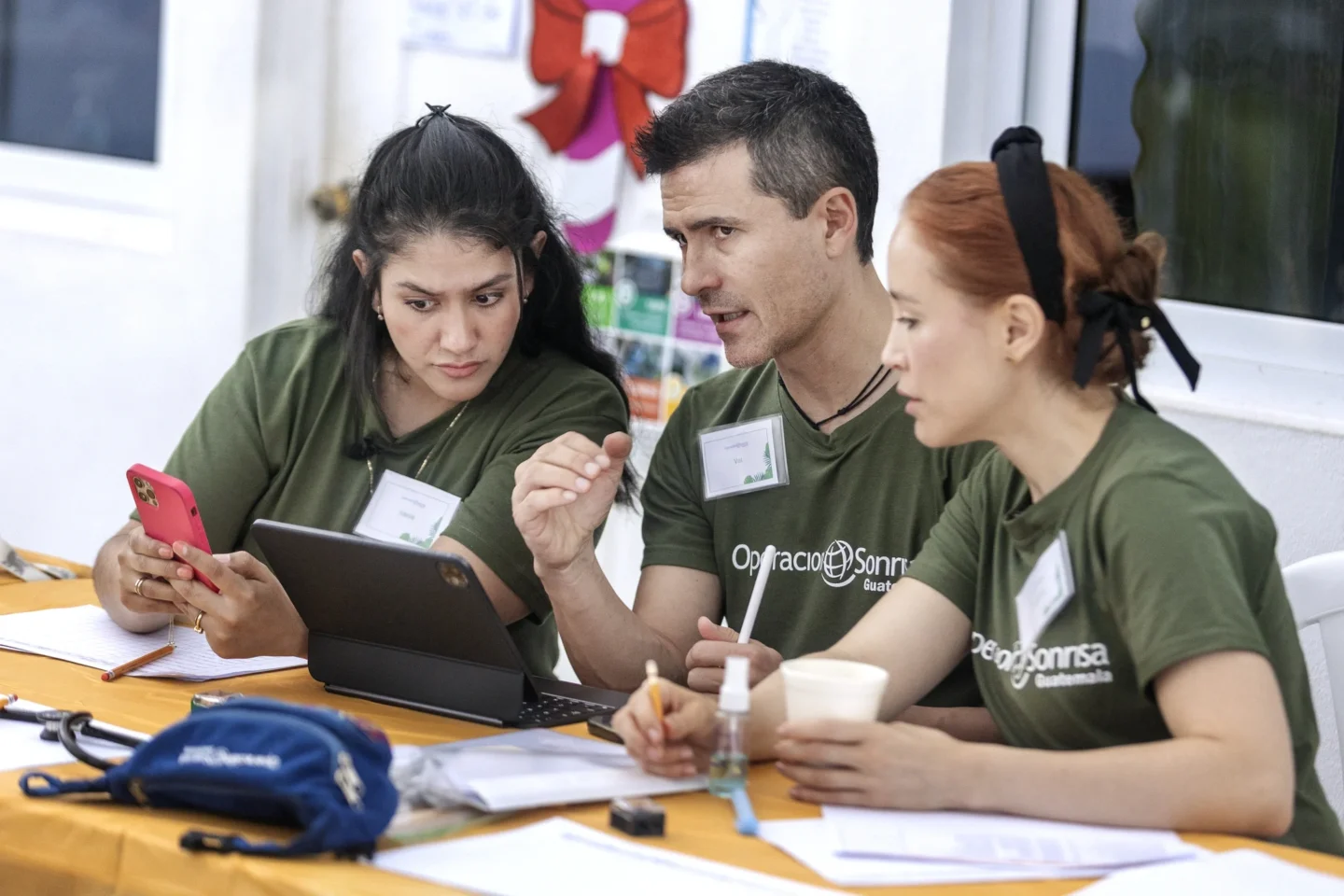
-
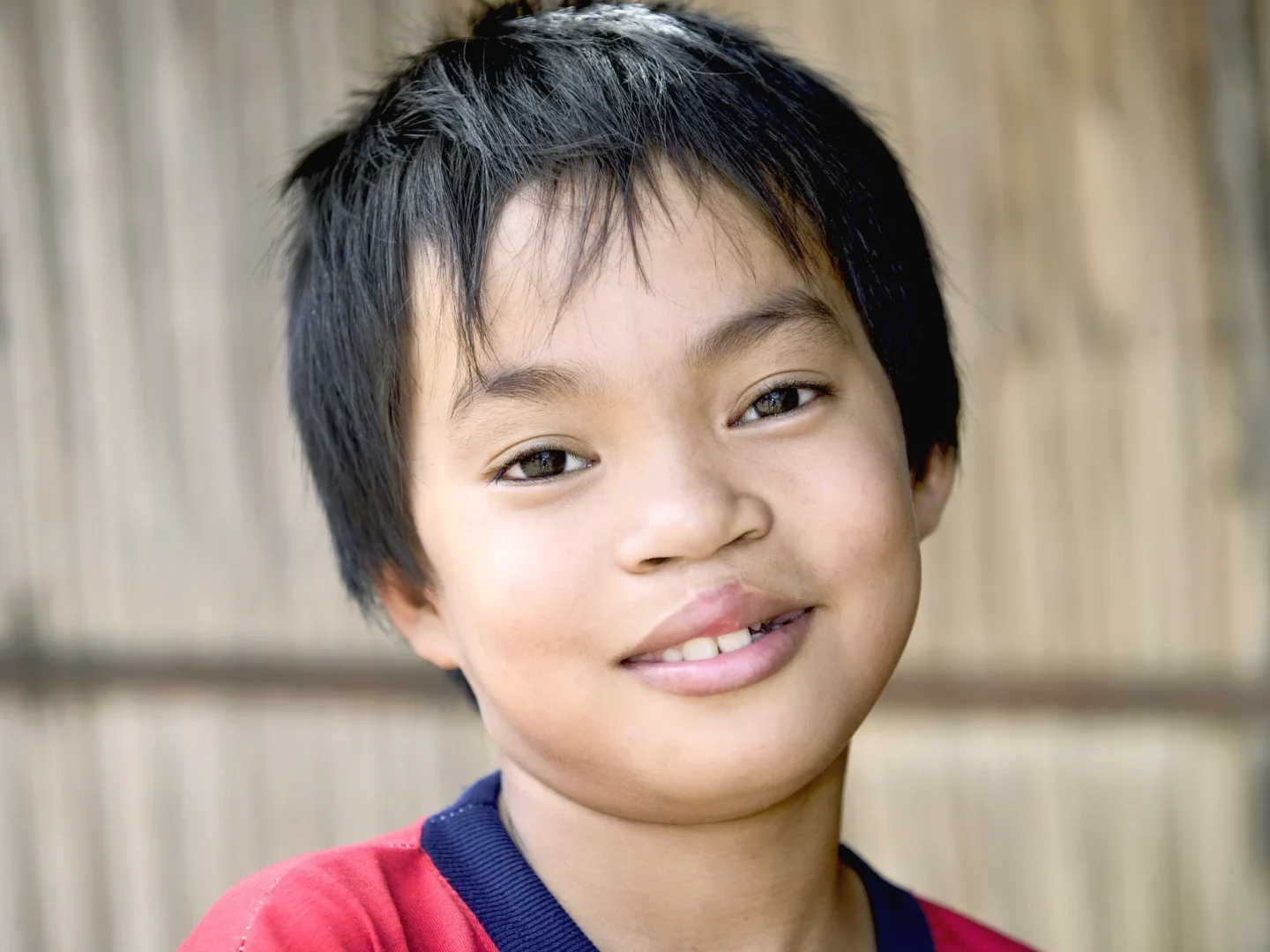
-
-