Care Providers
Before the Operating Room: How Nutrition Makes Cleft Surgery Possible
Malnutrition can stand between children in need of care and safe surgery. In Madagascar, Operation Smile’s Eli Zakariasy is working to make sure it doesn’t.
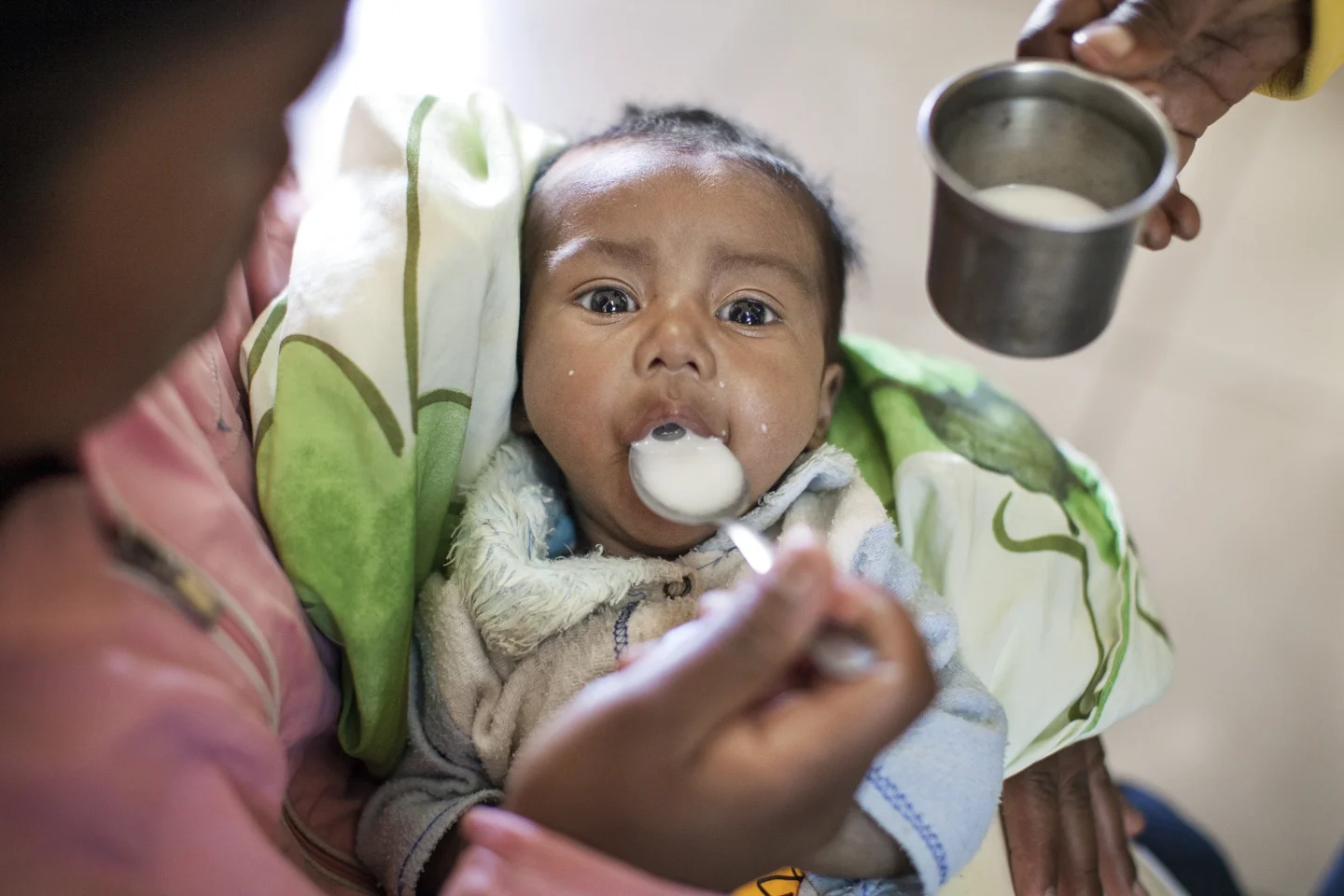
Globally, Operation Smile estimates that more than 118,000 infants and children under the age of 5 with cleft conditions may also be living with malnutrition. For every child enrolled in an Operation Smile nutrition program, at least five more may still be waiting to be identified.
In Madagascar, where many families travel long distances for care, feeding challenges can begin at birth. Children with cleft conditions often struggle to eat, placing them at greater risk of malnutrition. Without proper nourishment, they may not be strong enough to safely undergo surgery, making nutrition support a critical part of comprehensive cleft care.
For Eli Zakariasy, this work is deeply personal. He grew up in Moramanga, a small town along the road to Tamatave, where neighbors know each other by name and community comes first. It is a place, he says, “where you can walk in the main street barefoot, and no one will judge you. People care more about your heart than your appearance.”
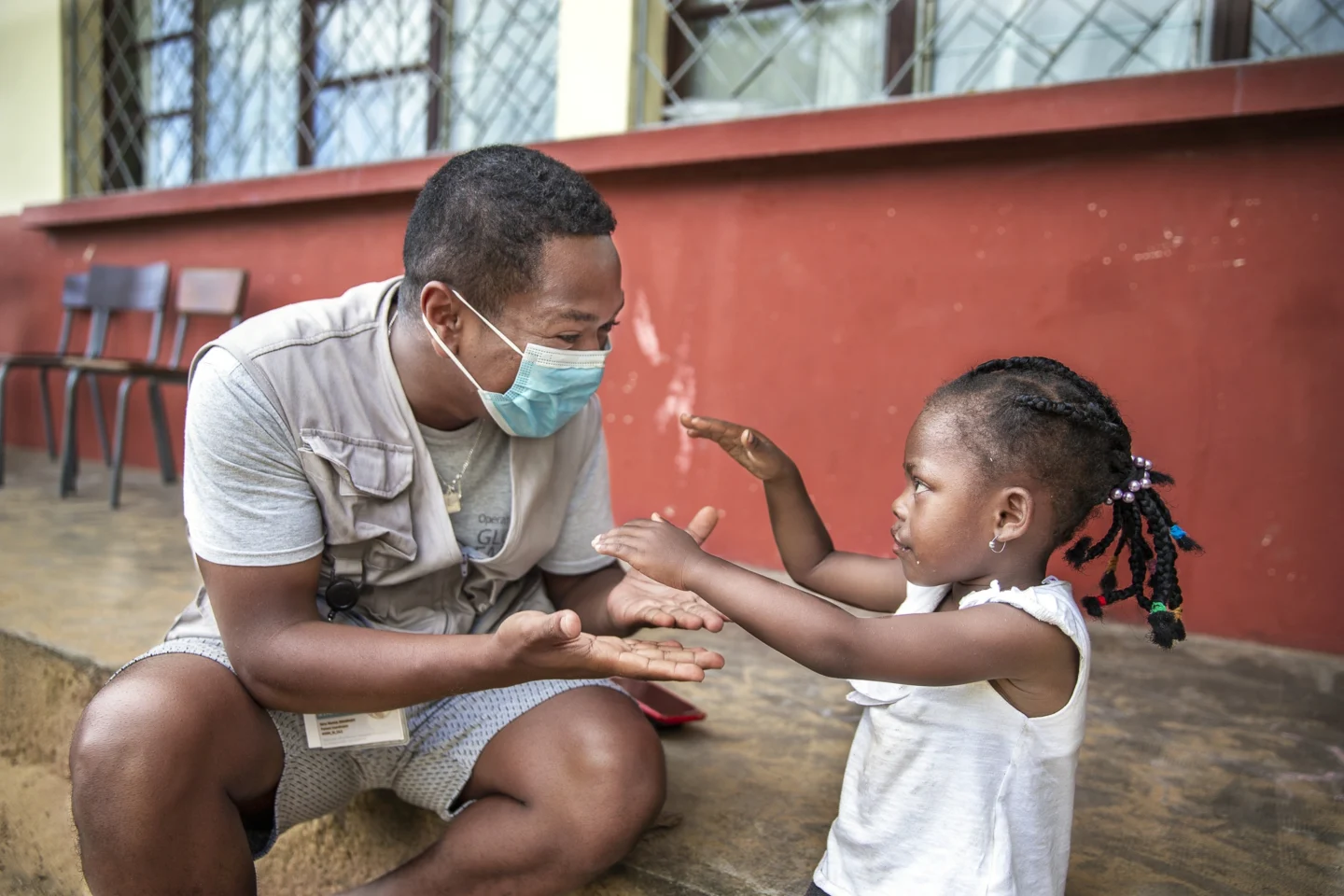
That spirit shapes his leadership as Operation Smile’s nutrition and psychosocial program officer in Madagascar. After volunteering during a surgical program in 2015, Zakariasy saw firsthand how many children needed additional nutrition support before they could safely receive surgery. He recognized that nutrition was not separate from care; it was the first step toward it.
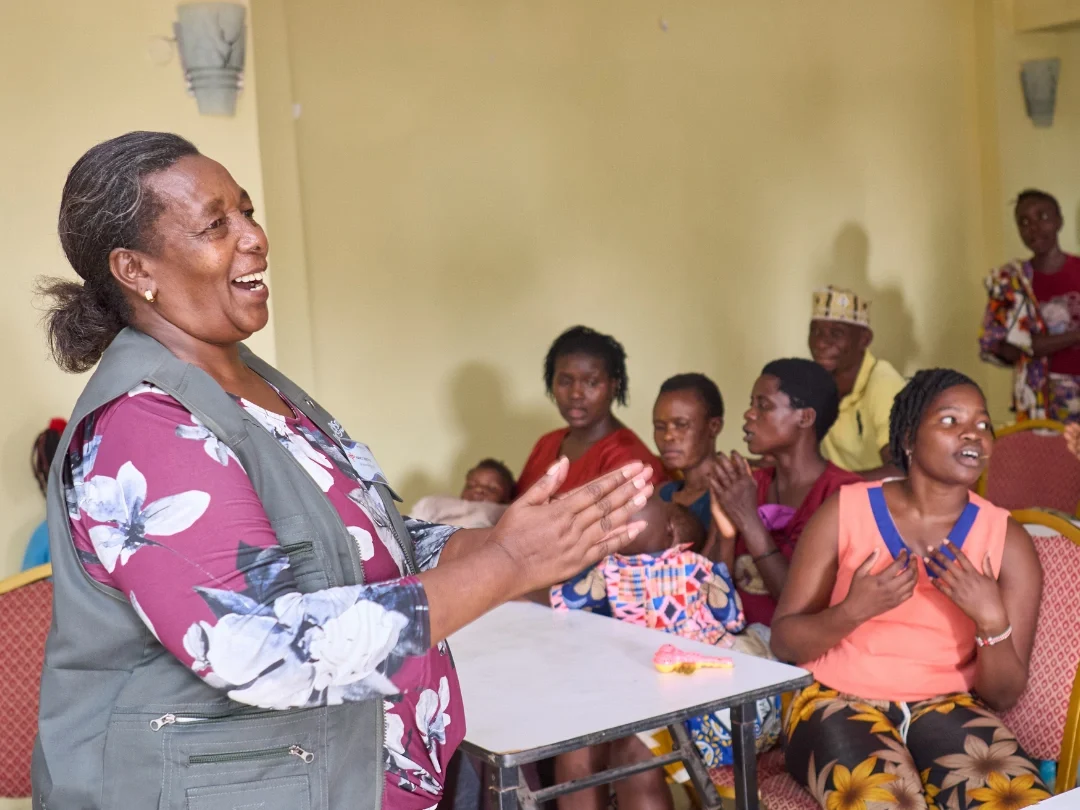
Today, he leads locally driven efforts, including nutrition bootcamps held every six weeks, where families receive therapeutic formula, feeding guidance and hands-on training. By working alongside caregivers, community health workers and volunteers, Zakariasy and the rest of the team are helping children gain the strength they need for safe surgery and long-term health.
We spoke with Zakariasy on why nutrition is foundational to comprehensive cleft care and how community-based support is transforming lives across Madagascar.
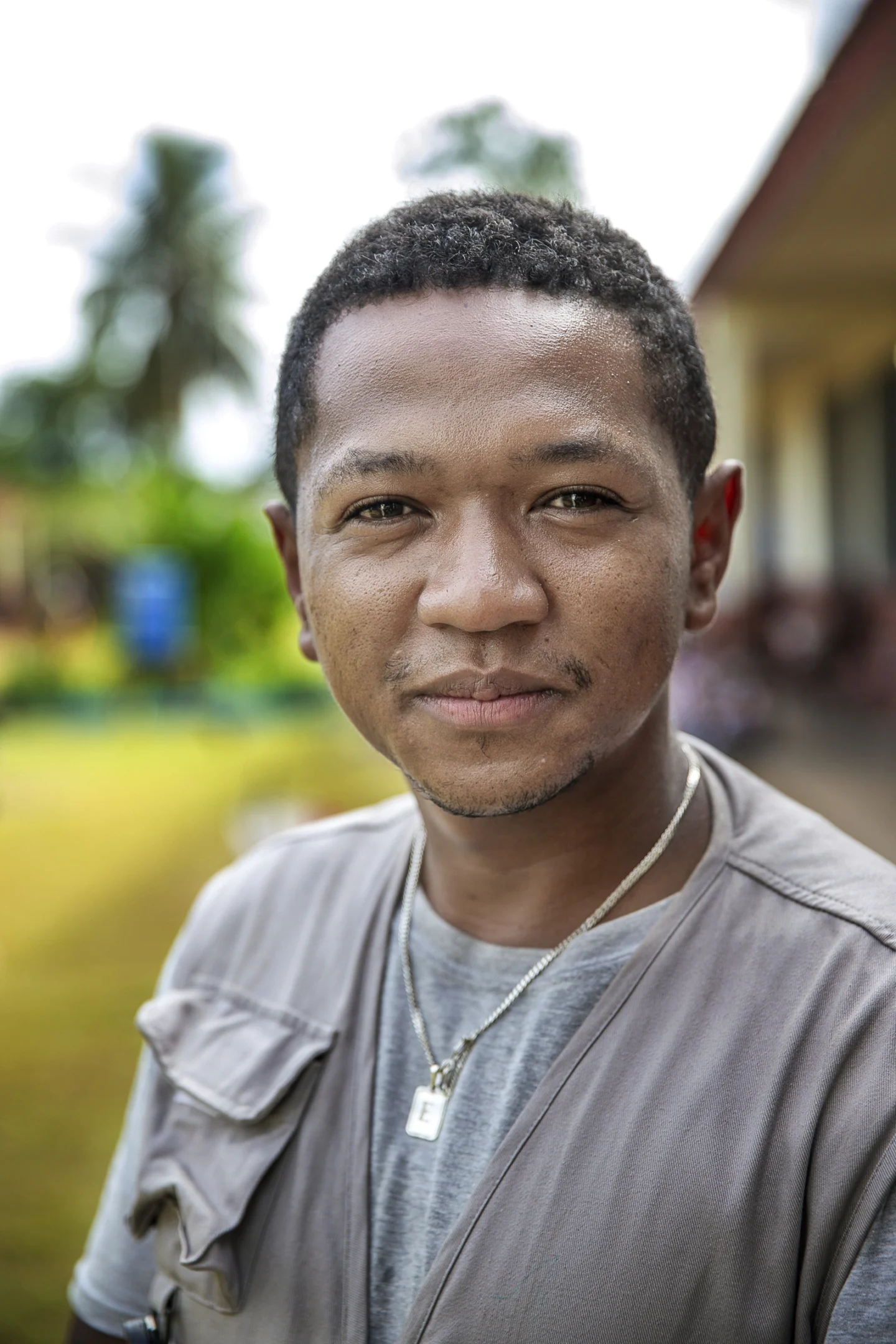
What inspired you to work in nutrition?
For me, the most painful moment during a surgical program is seeing a child not being able to receive surgery because of nutritional problems. Parents feel hopeless. They think their child will never get surgery because they have nothing to give them. This deeply touched me. I want to bring hope where it feels lost. Helping these families gives them a second chance and showing them that their children also deserve the right to safe surgeries.
Why is nutrition such a critical part of comprehensive cleft care?
Nutrition is the foundation. A patient cannot receive safe surgery if their body is too weak. Good nutrition helps children grow, fight infections and heal well after surgery. For children born with cleft, feeding is often difficult. Without support, they can quickly become severely underweight or even […] die. So, nutrition is not just crucial, it’s lifesaving.
What would you like people around the world to understand about the connection between nutrition and safe surgery?
I would like people to know that surgery is not just about operating rooms, surgeons and anesthesia. It starts a long before. A child needs strength to handle anesthesia and recovery. Therefore, good nutrition makes surgery safer and heal faster. When we support a patient with nutrition, we already prepare his path to a successful surgery.
What are some of the most common nutrition challenges faced by children with cleft conditions in Madagascar?
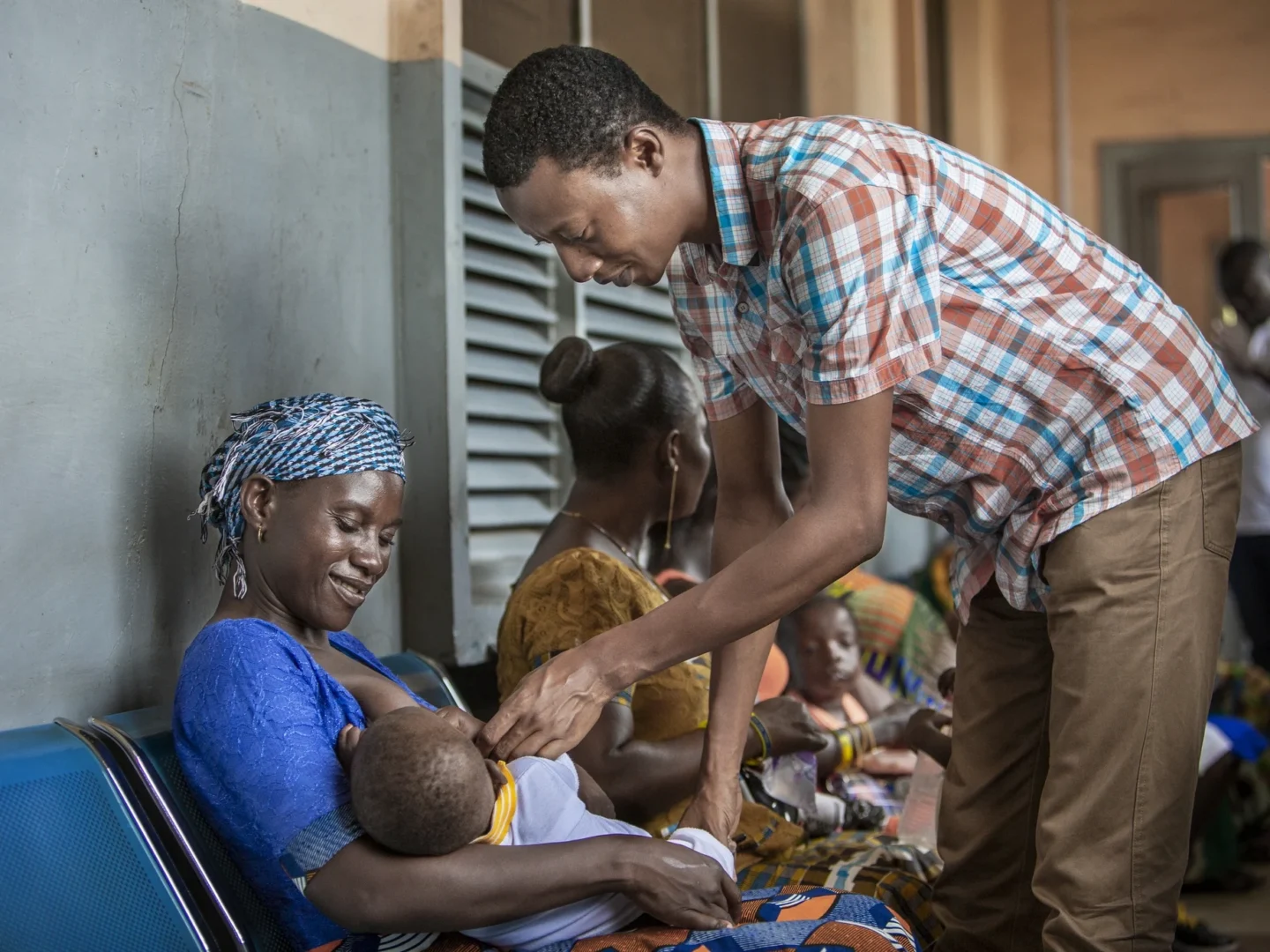
Many children with cleft conditions struggle to latch, suck [and] swallow, or [get] enough breast milk. Caregivers, especially in Madagascar, don’t have access to special feeding tools (bottles, nipples, breast pumps, cups). Others cannot afford enough nutritious and healthy food. Because of this, many children become underweight very quickly, and some face repeated infections.
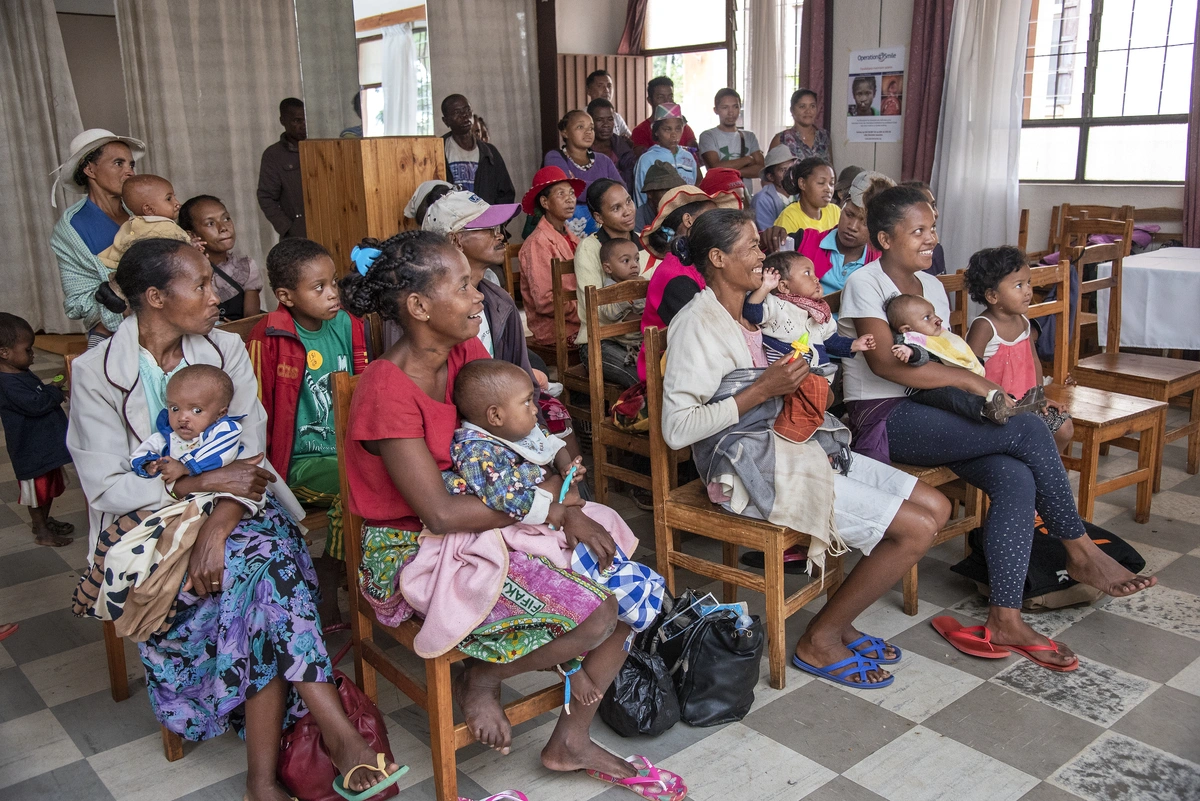
How do you collaborate with local health care providers and community leaders to support families?
One of the main goals of our nutrition program in Madagascar is early intervention. We try to identify patients and their needs as early as possible so we can act fast, provide the right care and avoid complications. To do this, we created a program called PNC (Proximity Nutrition Care) to bring care to our patients’ home. We closely work with local health facilities, midwives and community health workers. They help us identify patients early, guide families to our support and follow up with them. We want to reach even the most remote places, because every child deserves care no matter where they live.
How does global support — including training, shared expertise and resources — strengthen the work you are leading in Madagascar?
We cannot do this work without global support. Thanks to the training available on [Operation Smile Academy], our volunteers grow their skills and can provide better care to patients. Workshops and exchanges also help us learn from other countries and use what works best to improve our own program. And of course, we could not donate supplies or help families without the resources we receive, whether financial or material. Because of this support, patients from Madagascar receive safer and higher quality care.
Can you share a story of a patient or family whose life was transformed through nutrition support?
I remember a very small baby from a village in the east of Madagascar. She had severe malnutrition. She was 9 months old but weighed only about 2 kg [about 4 lbs.] when she joined one of our nutrition bootcamps in Antsirabe. Her mother was scared and felt alone. Even our volunteers were shocked by how fragile the baby was. But since we believe in every child’s life matters, together with our volunteers, we did everything we could to save her. We gave nutrition support and taught the mother how to feed her safely. It was not easy; it took time. It was one of the longest cases we ever had in the nutrition program. Little by little, the baby gained weight. Years later, she became strong enough for surgery. I will never forget her mother’s tears of joy. Moments like that remind me why our work matters. We don’t just treat children; we save lives.
How do you help families navigate the emotional stress that can come with feeding challenges?
I am a good listener. I love listening to people’s stories. I appreciate the fact that they trust me enough to share their hardest to their happiest moments. Most of our patients’ caregivers just need someone to hear them without judgement. I encourage them, remind them they are doing their best and show them their progress even if it’s a small one. Sometimes, giving emotional support is as important as giving nutrition support.
What makes you most proud of the nutrition work happening in Madagascar?
I am proud that we never give up, even during the hardest times. I am proud of every child who grows stronger and every parent who finds hope again. I am proud of our amazing team: volunteers, staff, global support and all our partners who stand with us to support the most vulnerable patients and families. But what makes me proud the most is seeing a healthy child graduate from the nutrition program smiling after surgery. That smile represents months, years of hard work, love and care.
If you could share one message as we celebrate National Nutrition Month in March, what would it be?
It would be: “Good nutrition is a gift of life, and every child deserves that gift. Even a small support can change a child’s future.”
Make Nutrition Programs Possible
Your support of Operation Smile can help to educate families and provide nutritional support to patients.