Care Providers

Hope on the Horizon: African Surgeons Reimagining the Future of Healthcare

Expanding access to quality healthcare requires skilled providers, strong systems and sustained investment. Medical leaders from Ghana, Ethiopia and South Africa share why they remain hopeful about Africa’s ability to meet these challenges and drive lasting change.

May 27, 2026

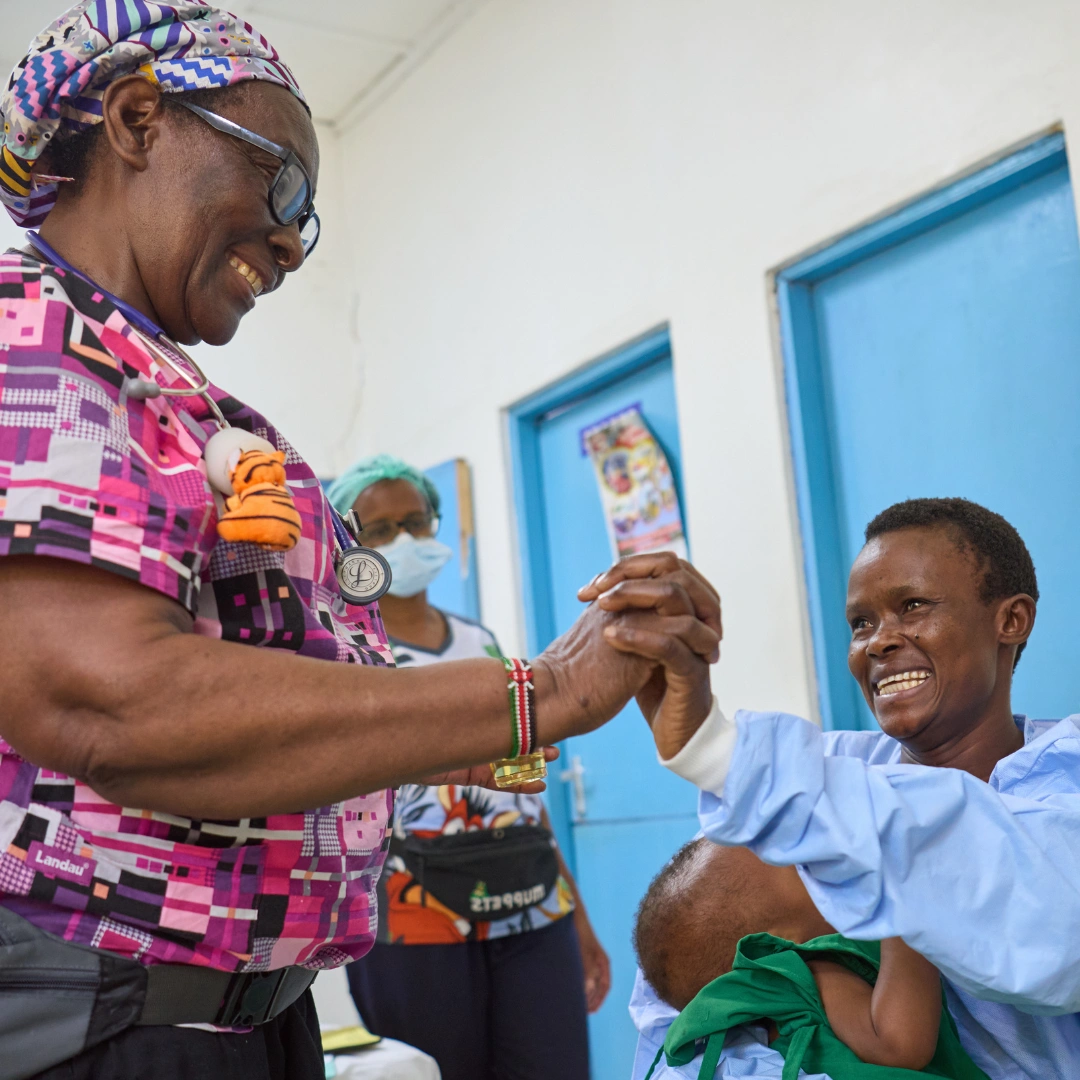
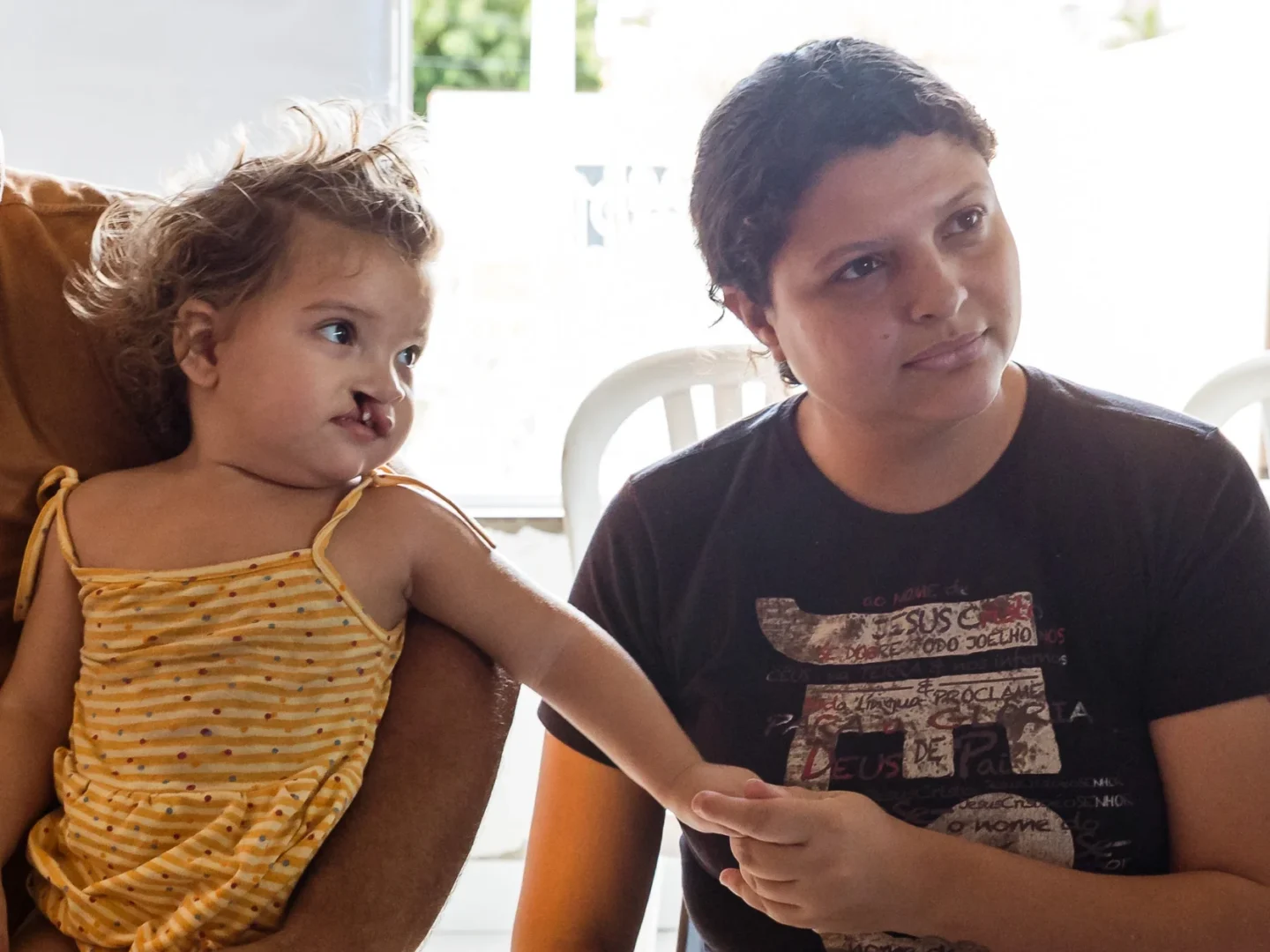
A volunteer and patient hold hands during a program.

Across Africa, a new generation of healthcare leaders is reshaping what is possible. From operating rooms in Ethiopia to training centers in Ghana and hospitals in South Africa, surgeons and anesthetists are building systems rooted in skill, innovation and compassion. Their stories reveal both the challenges facing African healthcare and the extraordinary hope driving its future.

We spoke with Ghanaian plastic surgeon and Operation Smile volunteer Levi Nii Ayi Ankrah, MB ChB, MGCS, MRCS, FWACS, FGCS, Ethiopian neurosurgeon and Women in Medicine Fellow Eyerusalem Bergene Banti, M.D., FCS, ECSA, and South African anesthetist and Operation Smile Regional Medical Officer Gavin Jones, MBBCh, FRCA, MBA, FCA, M.Med., to learn what gives them hope for the future of healthcare in Africa, what challenges concern them most and how they believe innovation and collaboration can transform care across the continent.

A Unified Hope in the Future of Healthcare in Africa

For Banti, hope lives inside the operating room. “What I am seeing is a quiet revolution,” she says. “African surgeons are increasingly performing complex procedures that once required patients to leave the continent. That is a massive win for health equity.” She believes Africa’s ability to innovate under pressure is one of its greatest strengths. Working within limited resources has forced clinicians to become highly adaptive, creating solutions that are both effective and affordable.

Ankrah shares that optimism. Having trained and worked alongside surgeons across several countries, he says African specialists can compete with the very best globally. “The skill is here,” he explains. “What encourages me most is meeting African surgeons whose expertise matches anyone in the world.”

For South African anesthetist Jones, hope comes from healthcare workers themselves. “Healthcare professionals across Africa are eager to learn and genuinely care about their patients,” he says. “At the grassroots level, people want to improve healthcare and make a difference.”

A healthcare provider looks through a lens.

Overcoming the “Brain Drain”

Despite the optimism, all three leaders point to the same challenge: healthcare systems remain fragile. Banti worries deeply about the continent’s “brain drain,” the loss of highly trained professionals to developed countries. “It is heartbreaking to see countries invest in training brilliant minds, only for those minds to leave,” she says. “When experienced professionals go, mentorship for the next generation collapses.”

Ankrah agrees. In Ghana, the number of plastic surgeons has grown over the last 15 years, but he says many African countries still have only a handful of specialists. “That means millions of people are not getting the care they need,” he says.

Jones adds that healthcare inequality across the continent remains severe. Limited resources, fragmented systems and shortages of personnel continue to affect patient outcomes.

A Consistent Need: Investing in People and Systems

Banti believes healthcare professionals need better support; not only fair salaries, but modern equipment, opportunities for growth and dignified living conditions. “You can build the most advanced hospital in the world,” she says, “but without skilled local doctors, it is just a building.”

Ankrah believes financing is the key issue. “Patients still pay too much out of pocket,” he explains. “Without proper healthcare funding, people cannot access the best treatment, and hospitals cannot afford the equipment they need.”

Jones focuses on biomedical engineering and maintenance. “We see hospitals full of broken equipment,” he says. “Africa needs strong local systems that can maintain and repair medical technology instead of relying entirely on expensive external support.”

The need for stronger healthcare systems, expanded training opportunities and sustained investment in local expertise reflects the vision behind Operation 100, Operation Smile’s commitment to expanding access to safe surgical care through education, partnerships and health system strengthening. By investing in healthcare professionals and the systems that support them, the initiative aims to help create lasting change for patients and communities across Africa and around the world.

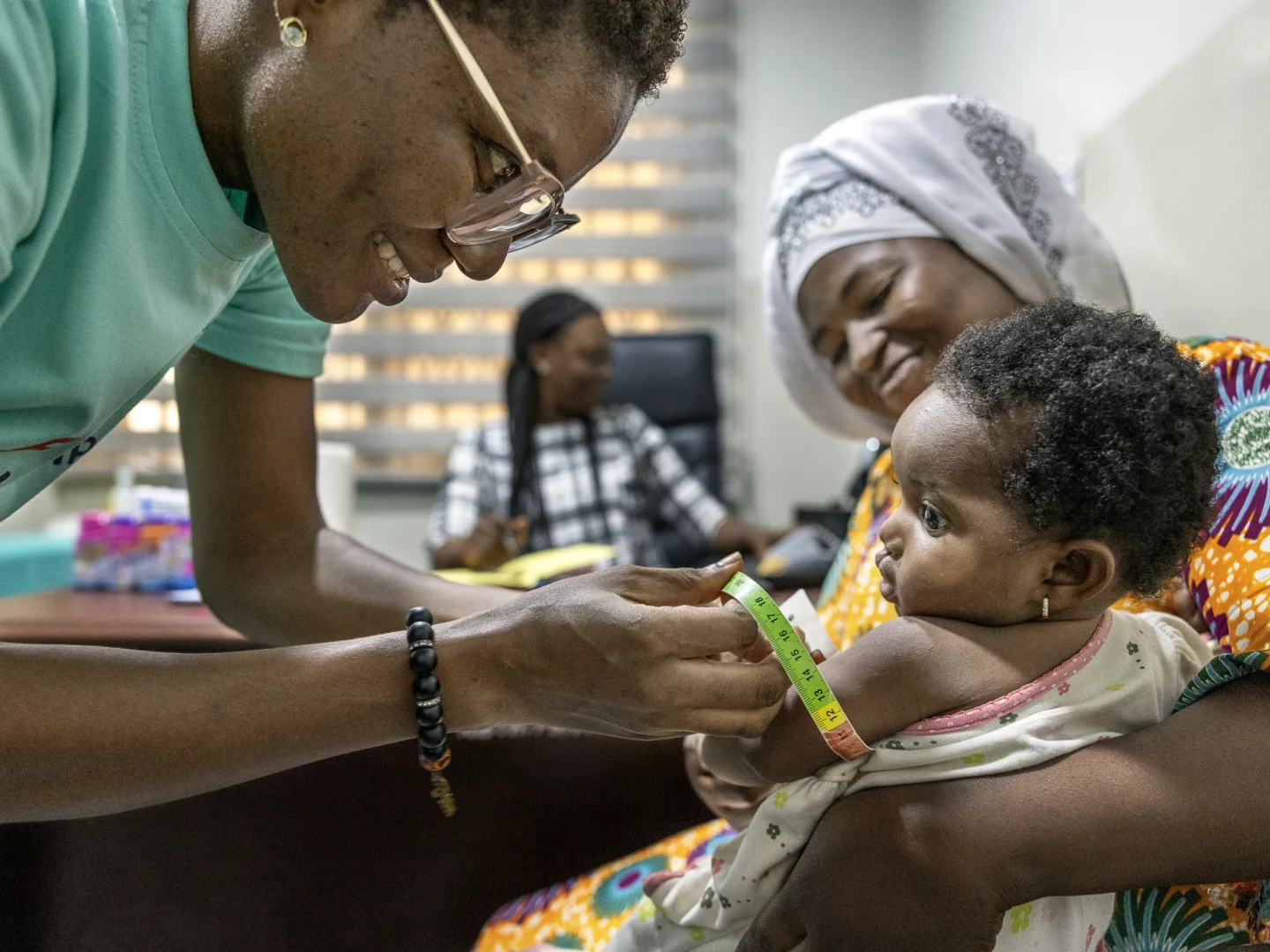
A healthcare provider examines a patient.

Technology that Can Shape the Future

All three believe technology and AI will strengthen healthcare, not replace healthcare workers. Banti sees AI transforming stroke care, surgical planning, and radiology and cancer treatment. She believes digital tools can help doctors diagnose patients faster and reduce administrative burnout, giving clinicians more time with patients.

Ankrah sees technology improving access to information, research and education. “We have to move with the times,” he says. “Technology helps us grow our knowledge and improve care.”

For Jones, digital health could revolutionize prevention and access. He points to telemedicine, AI-assisted diagnostics, disease surveillance and supply-chain monitoring as critical tools for underserved communities. “Technology can help bring healthcare directly to remote areas,” he says. “It can also help reduce counterfeit medicines and improve patient safety.”

But for all the promise of technology, its greatest impact is simple: helping more people receive the care they need, when and where they need it. Whether connecting a patient in a remote community to a specialist or helping a surgeon make a faster diagnosis, innovation has the potential to improve lives far beyond the hospital walls.

Building World Class Care

Banti imagines an Africa where hospitals in cities like Addis Ababa, Nairobi and Lagos become destinations for world-class care. “I want to see Africans leading research, writing protocols for African patients and building trust between communities and healthcare systems,” she says.

Ankrah hopes Africa can close the gap with more developed nations by taking healthcare more seriously as a national priority. And Jones envisions stronger partnerships across borders, governments, universities and organizations. “Collaboration is non-negotiable,” he says. “If we can remove ego and work toward common goals, healthcare in Africa will look very different in the next 20 years.”

That spirit of collaboration was on display at Operation Smile’s inaugural Pan-African Surgical Conference in Kigali, Rwanda, which brought together more than 500 healthcare leaders, educators, policymakers and surgeons from 36 countries to share solutions for strengthening surgical care across the continent. The partnerships and ideas sparked through the conference continue to support efforts to expand training, build local capacity and advance surgical equity.

Together, their voices tell a powerful story: Africa’s healthcare future is already being shaped by African professionals determined to teach, innovate and lead. Their work is creating new possibilities not only for healthcare systems, but for the millions of patients, families and communities who depend on them.

Learn more about Operation 100, Operation Smile’s commitment to expand healthcare through education, partnerships and support.

More Care Providers Stories

Get Involved

You can give a child the chance to grow up happy and healthy — free from stigma and isolation, and full of hope for the future.

More Ways to Get Involved

Make Your Gift

Your gift today will help transform lives and increase access to essential surgical care.

Loading