Operation 100
Bringing Cleft Care Closer to Home in Mombasa Through Stronger Local Health Systems
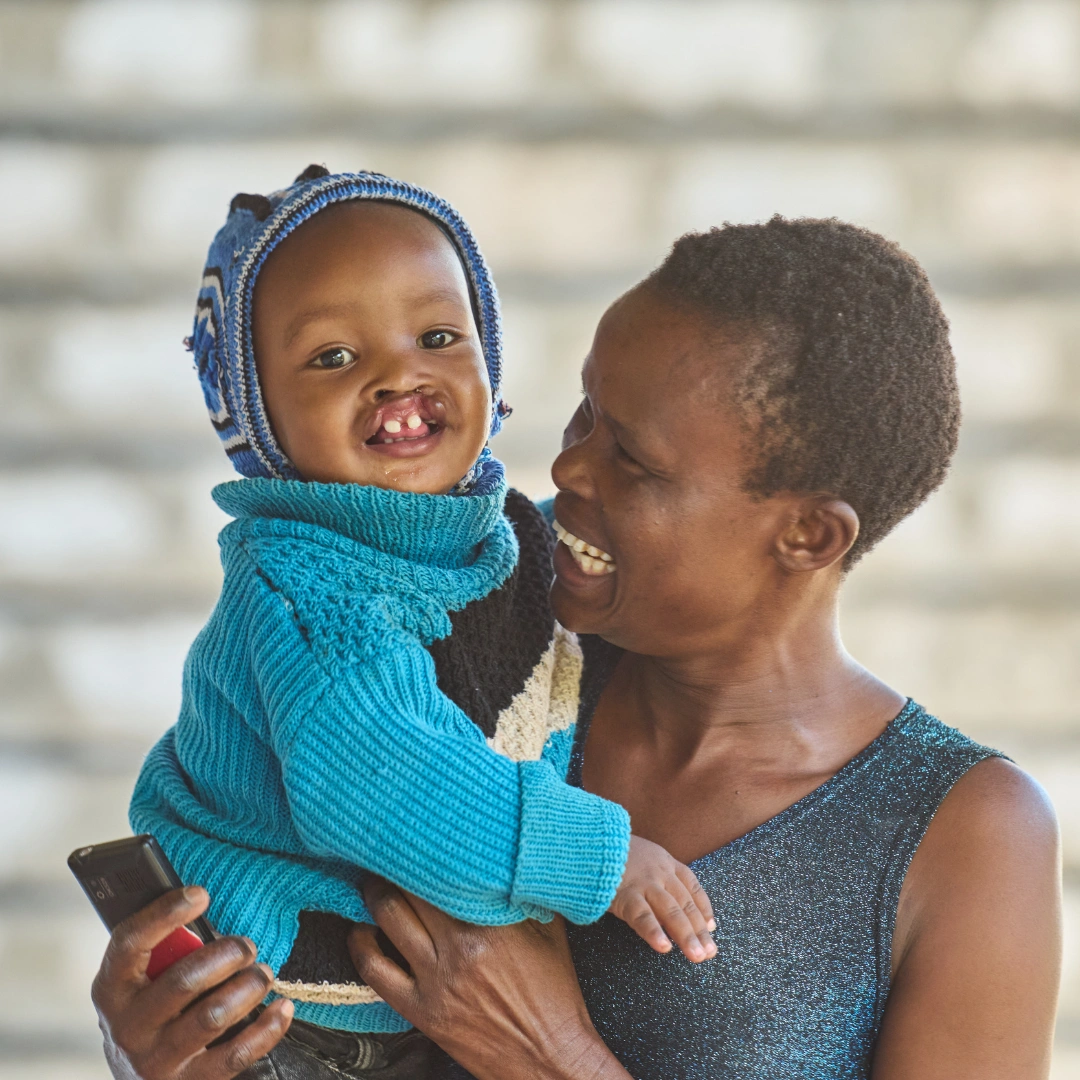
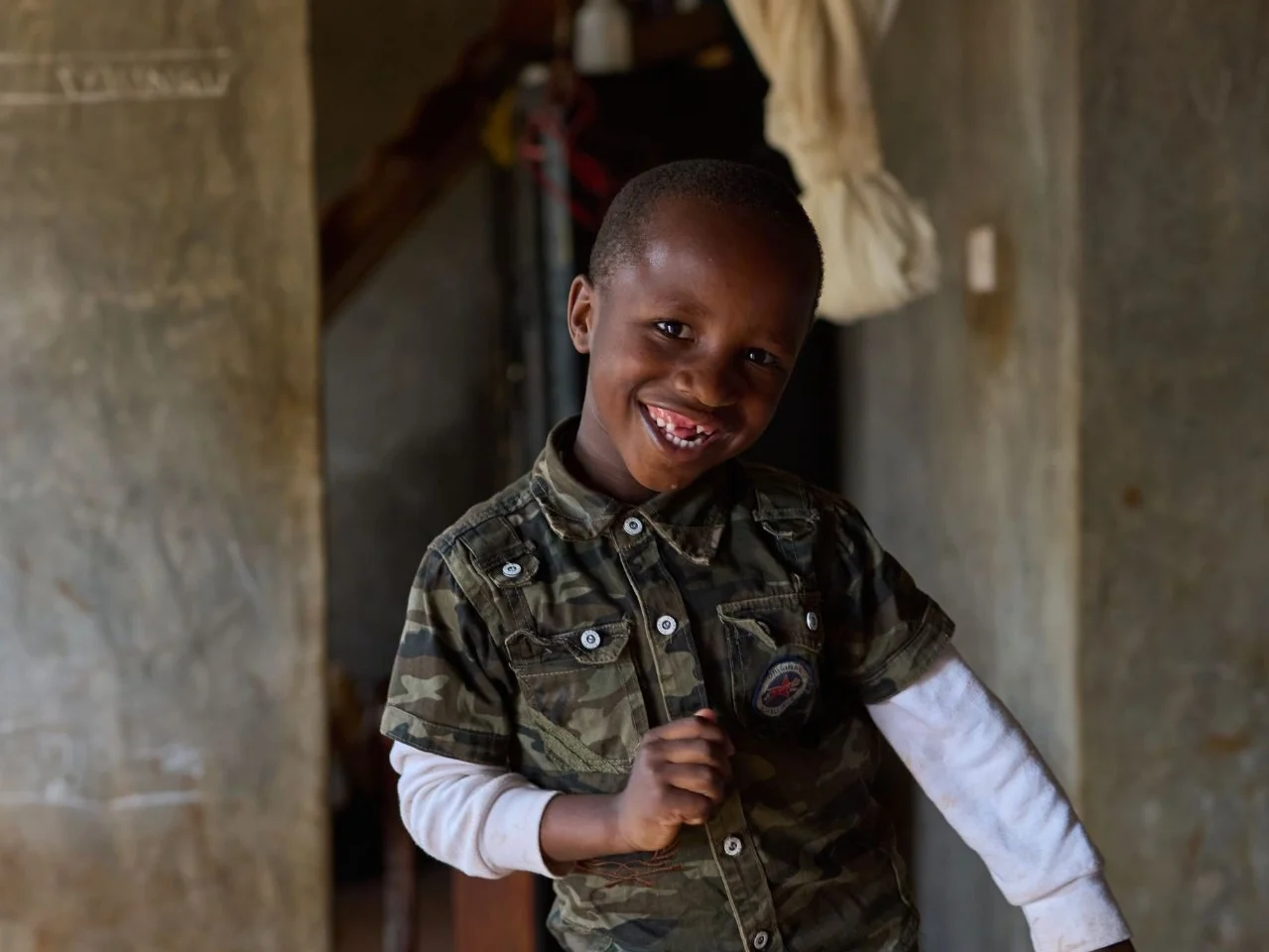
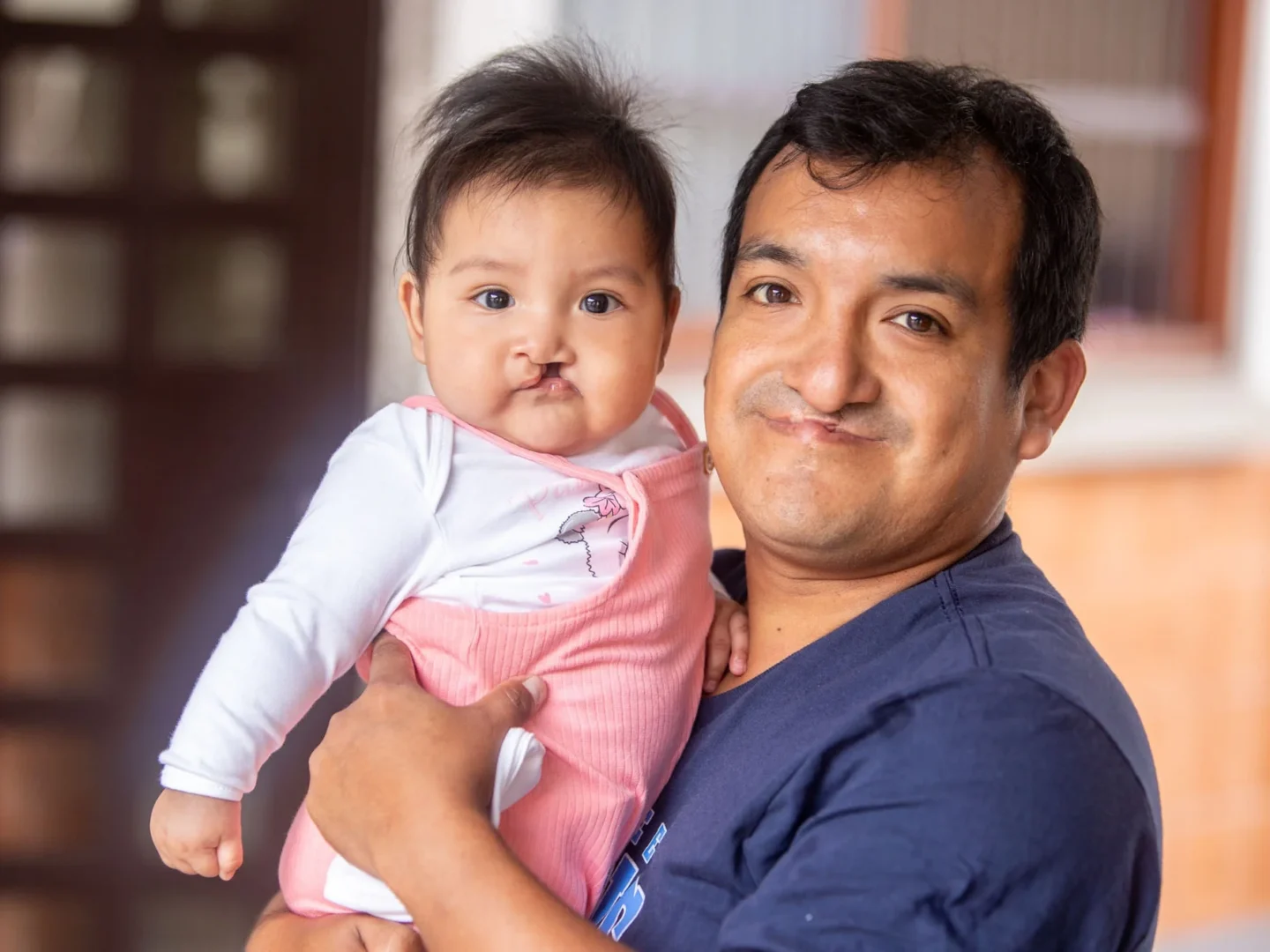
In Kenya, distance, financial barriers, and limited access to specialized healthcare can make it difficult for families to receive the cleft care they need. Operation Smile is working to strengthen local health systems so more families can access care closer to home.
Meeting the Need for Cleft Care
Since 1987, Operation Smile has provided safe, high-quality surgical and comprehensive cleft care in Kenya. By partnering with healthcare professionals and local medical volunteers, we have helped more than 10,000 patients access treatment.
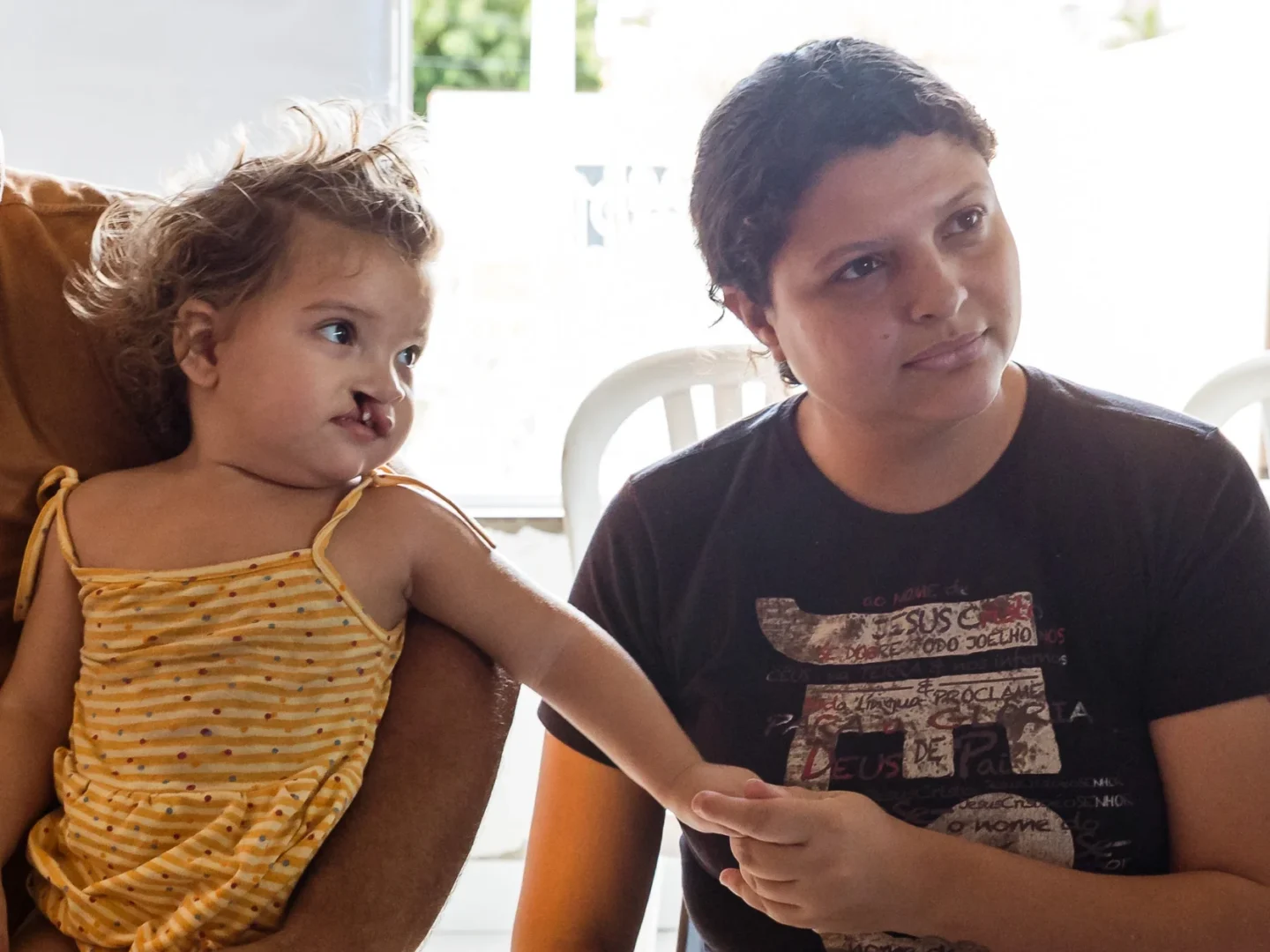
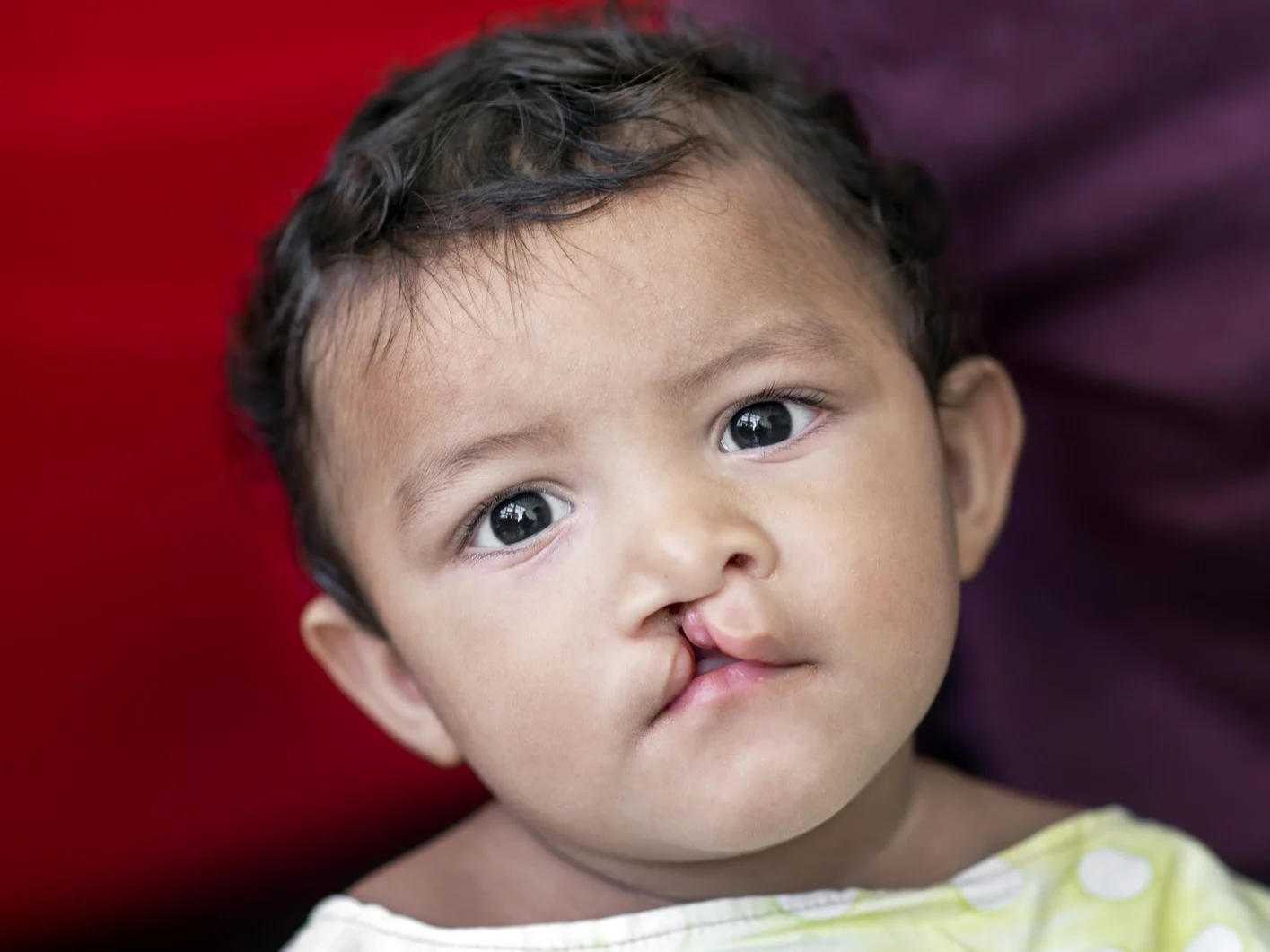
Yet many of the approximately 2,000 children born with cleft conditions in Kenya each year still face significant barriers to care. Due to a shortage of healthcare professionals with specialized expertise and a limited number of facilities equipped to provide comprehensive cleft care, treatment is concentrated in relatively few hospitals across the country. As a result, many families must travel hundreds of kilometers to access the care they need.
Through Operation 100, Operation Smile is investing in frontline health workers and strengthening district hospitals; advancing training, essential equipment and enhanced health infrastructure to bring essential surgical care closer to patients’ homes. By strengthening local capacity, we’re increasing sustainable access to care within communities and building stronger health systems that can continue serving patients in Kenya and beyond.
Closing the Distance to Care
For families living far from specialized health facilities, the journey to care can come with significant personal and financial costs. Parents may need to take time away from work, children may miss school and families may spend days away from home.
“Patients have to travel like 500, 600 km to get to a certain health facility who can provide those procedures,” says Dr. Rabbia Hassan, a pediatrician and Operation Smile volunteer. “They have to leave their homes, they have to leave their work, job. They have to leave their other children, if there are any…”
The financial cost of traveling for treatment can add another challenge. For families already facing limited resources, the expense of transportation and time away from home can make specialized care even more difficult to reach.
For children born with cleft conditions, these barriers can mean waiting longer for care or never getting the support they need. Addressing this gap requires more than bringing patients to specialized facilities. It requires strengthening local teams with trained surgeons, nurses, anesthesiologists and other specialties while ensuring hospitals have the equipment and resources needed to provide comprehensive care within their regions.
Building Local Capacity in Mombasa and Beyond
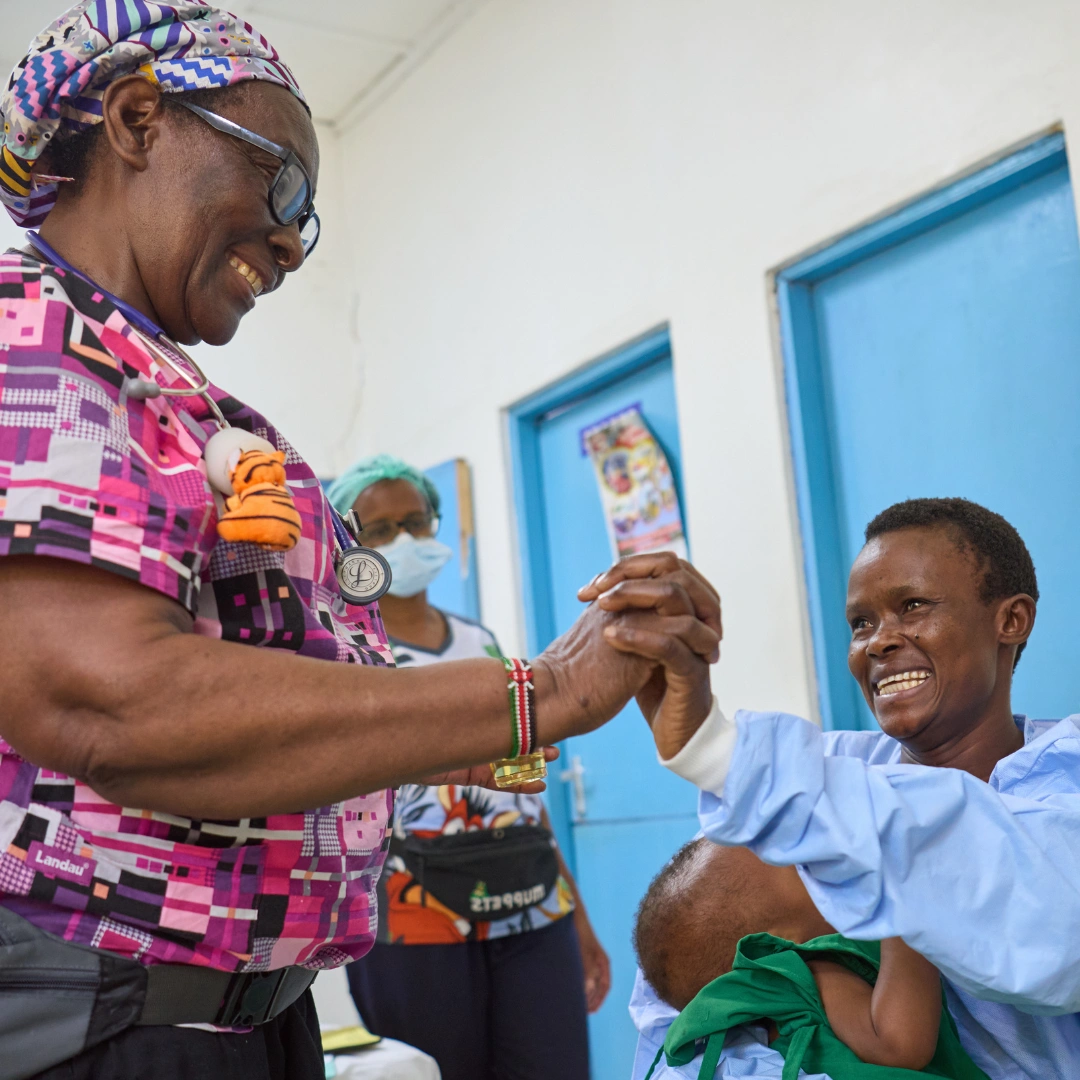
Operation Smile is working with local health systems in Kenya to develop the expertise, resources and connections needed to provide care within patients’ communities. In Mombasa, Port Reitz Sub-County Hospital is an important part of this effort. Through education, mentorship and training, local healthcare providers are building the knowledge and expertise needed to provide comprehensive cleft care within Kenya’s coastal region.
“When Operation Smile came and we asked them, why Port Reitz, why Mombasa, why the coastal region,” says Dr. Riziki Mulimba, M.D., medical superintendent at Port Reitz Sub-County Hospital. “Their agenda was to bring the services closer to home. To the needy people of the coastal region.”
For Dr. Mulimba and her colleagues, investing in local expertise is building their capacity to serve patients within the region. “We’re equipping ourselves with the knowledge and expertise so that we can actually be able to provide these services.”
The work in Mombasa is also designed to extend beyond a single hospital. Operation Smile is developing a network of hospitals that can serve as training centers, helping healthcare professionals across the region build specialized skills and experience.
“One of the things we are trying to do is identify hospitals that become the hubs,” says Dr. Asaph Kinyanjui, M.D., country manager of Operation Smile Kenya. “And these hubs will become like the training centers for health care providers. So that they can be able to provide care on their own.”
Through this hub-and-spoke approach, established hospitals and experienced providers can serve as centers for education, mentorship and knowledge sharing, helping providers build the skills they need to provide care in surrounding communities. The goal is not simply to reach more patients today, but to strengthen the local expertise and health system capacity needed to continue providing care in the years ahead.
Ensuring Patients Receive Ongoing Care
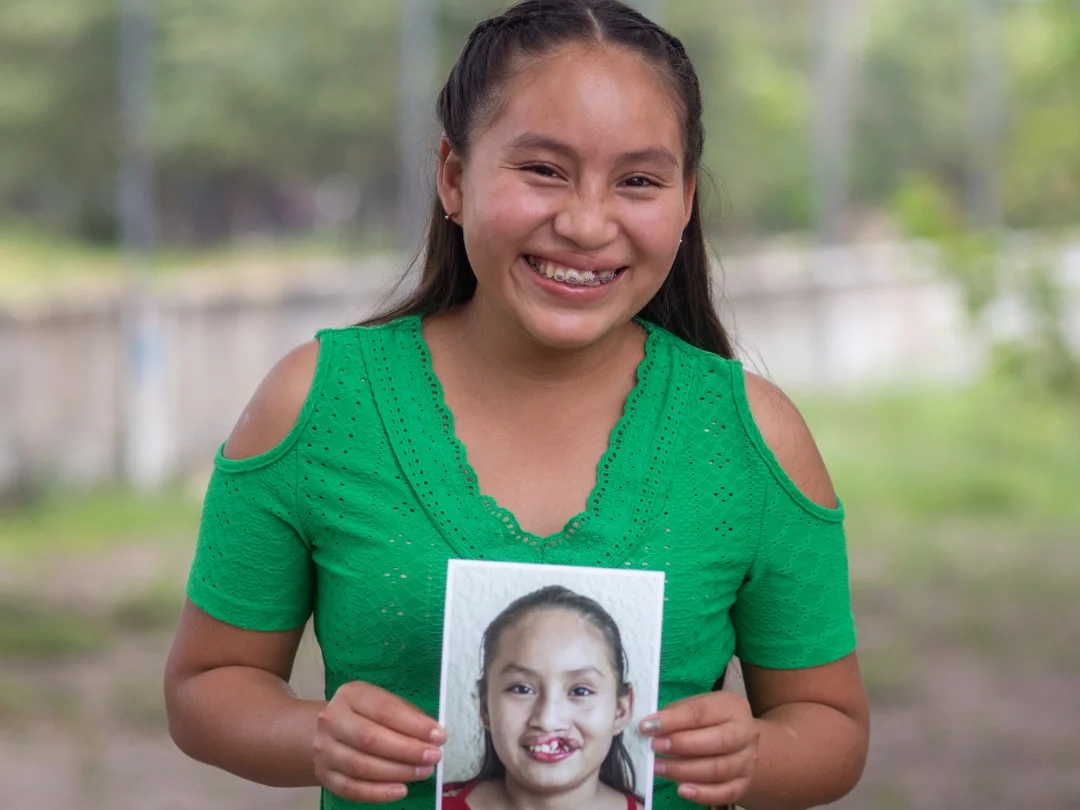
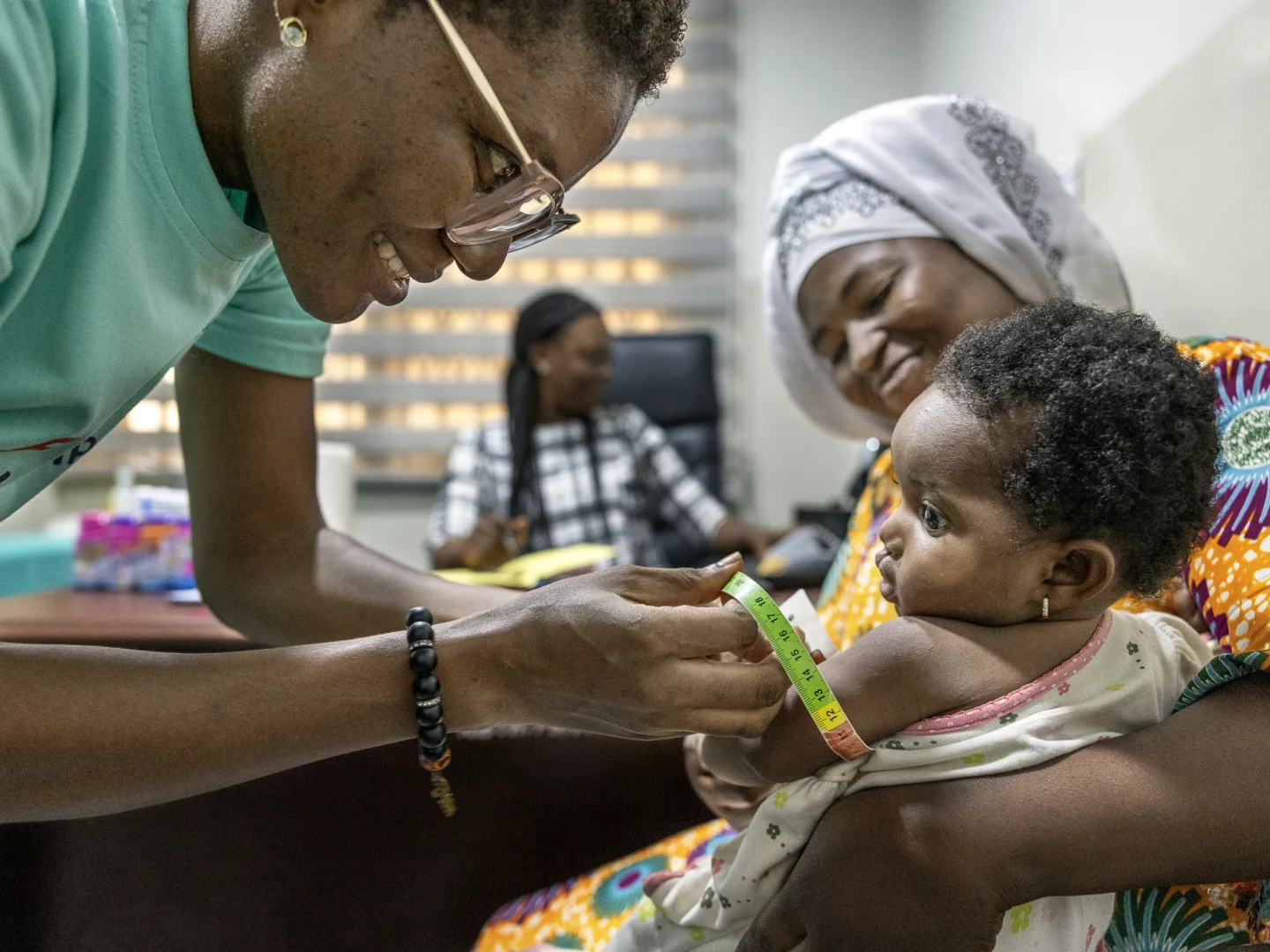
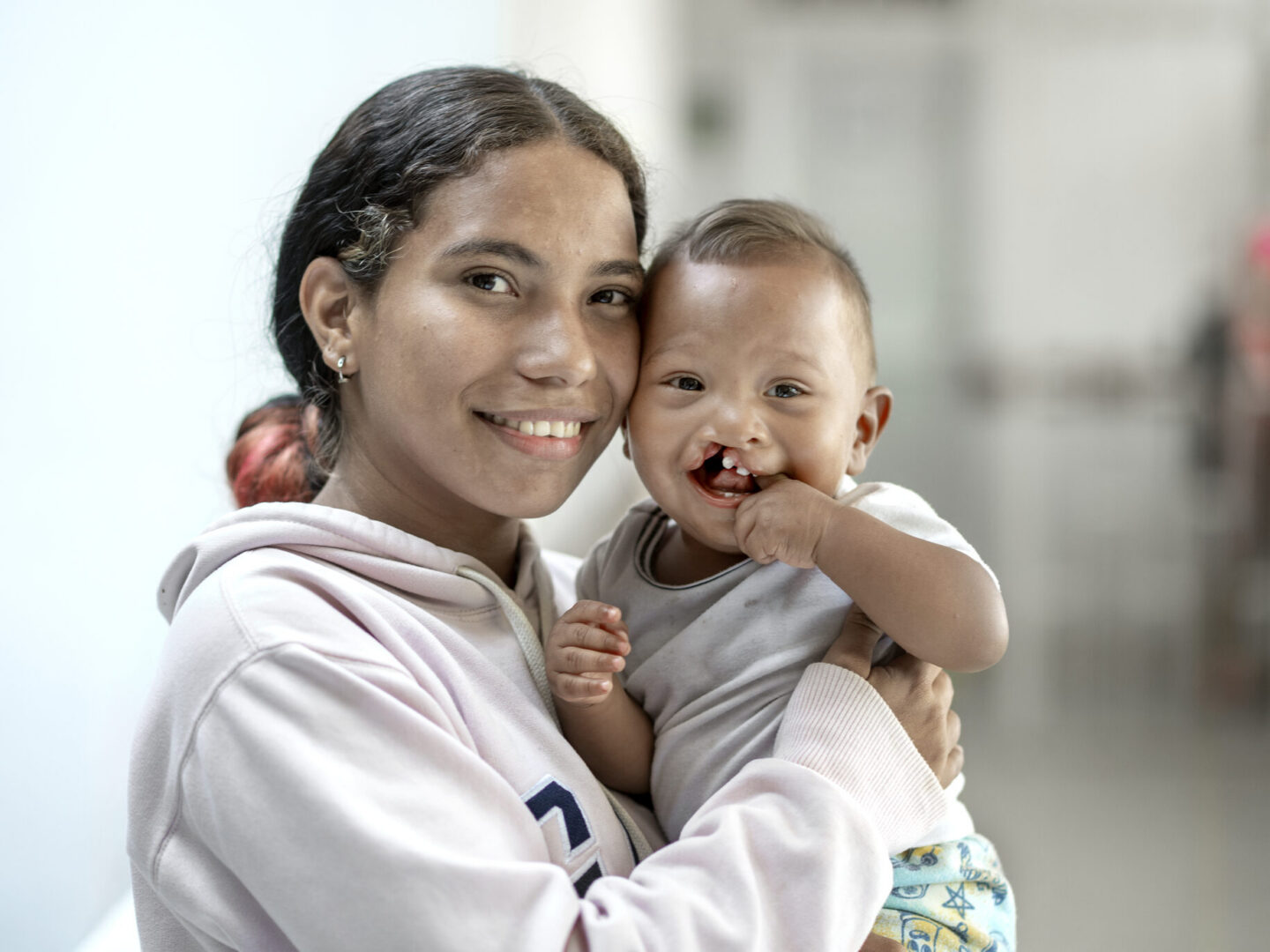
Children born with cleft conditions may need surgery as well as nutrition support, speech therapy, dental and oral health services and psychosocial support as they grow. When these services are difficult to access, children may go years without receiving the comprehensive care they need.
Strengthening local capacity not only to reduces the burden of travel, but allows children to receive ongoing, high-quality treatment.
Dr. Yvonne Ying, M.D a pediatric plastic surgeon and Operation Smile volunteer, has seen this shift firsthand, sharing “So now we’re in Sub-Saharan Africa, working in sub-Saharan Africa, we would have very long lists of adults with unrepaired cleft lips. And now it becomes very uncommon to see that. And I think that a lot of this kind of education and training and these surgical programs are really what has made that much less common and patients are accessing care at the appropriate age.”
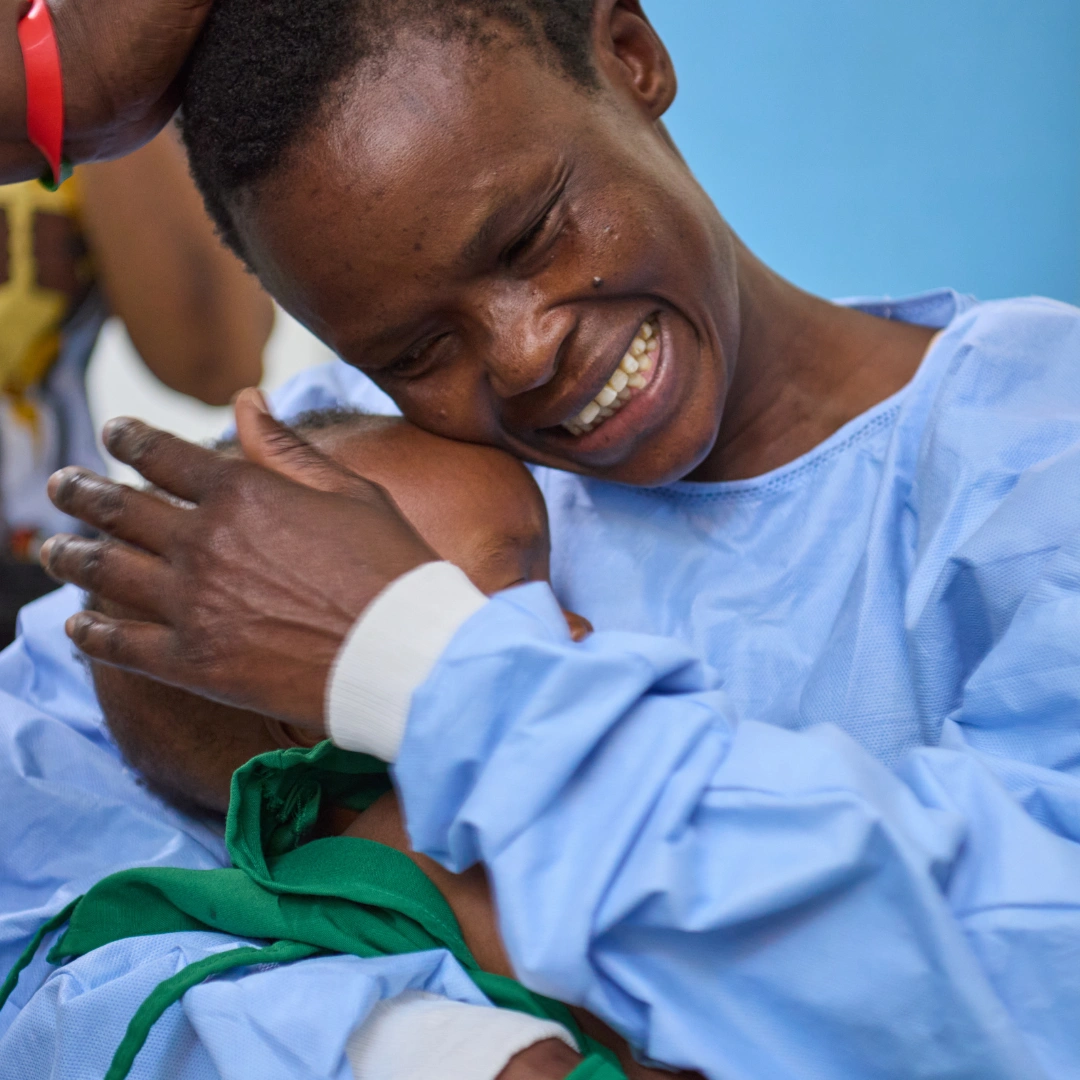
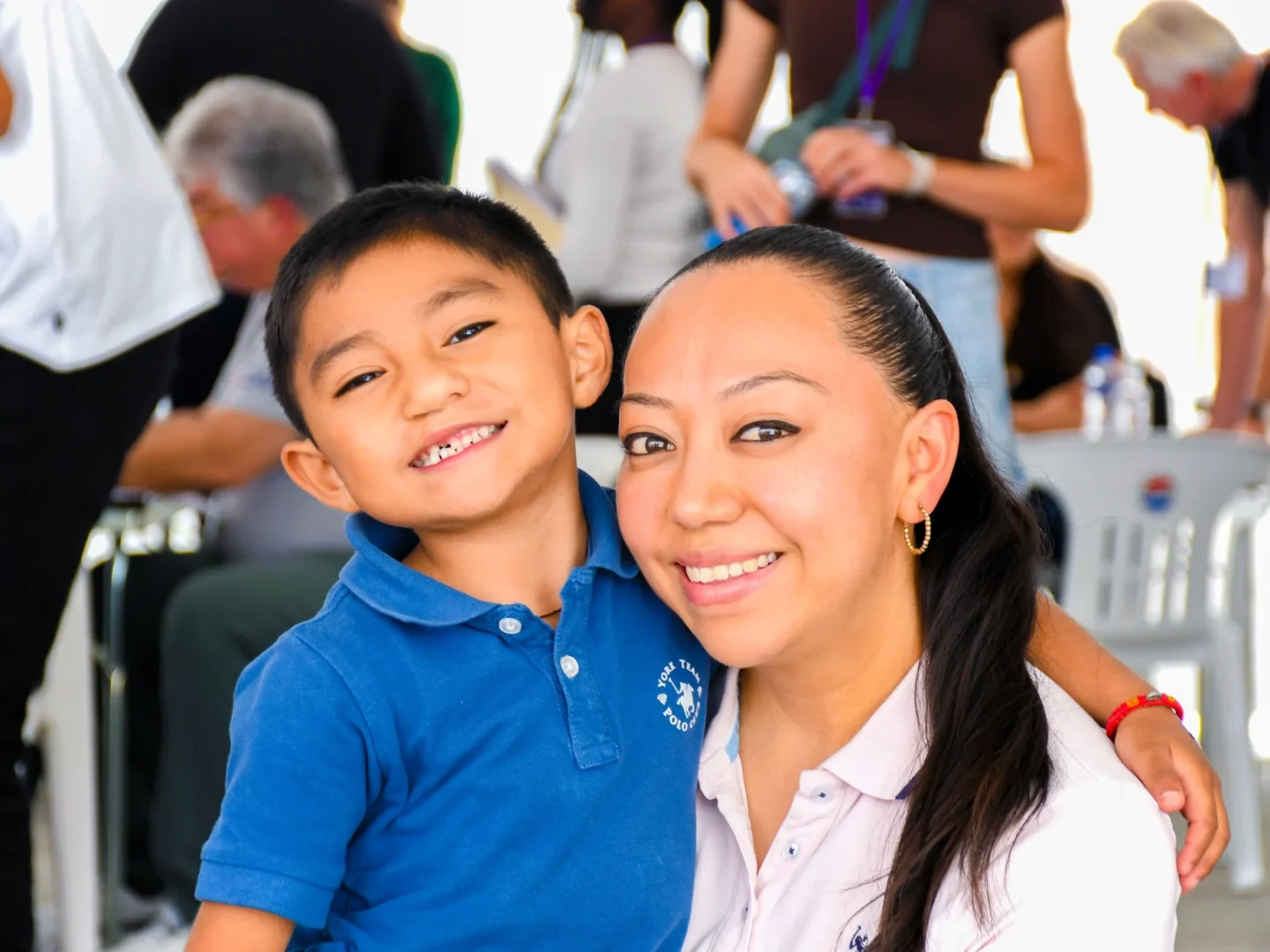
As local healthcare providers gain the skills and resources to deliver cleft care in their communities, more children can receive care closer to home and earlier in life, while having greater access to the comprehensive services they need as they grow.
Building lasting access to cleft care takes more than reaching patients today, it takes local expertise in stronger health systems that can continue serving communities over time. Through Operation 100, Operation Smile is working alongside healthcare providers and partners in Kenya to help make that future possible. By investing in local healthcare workers, regional hospitals and training, we can ensure more children can receive the care they need, closer to home.
Help Bring Care Closer to Home
Every child deserves access to safe, comprehensive cleft care, no matter where they live. Your support helps train healthcare providers, strengthen local health systems and bring essential care closer to the communities that need it most.